At the start of the 24 Hours of Le Mans ...

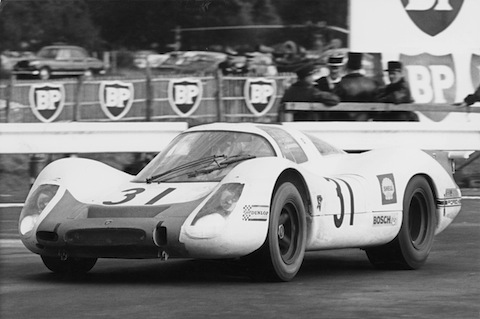
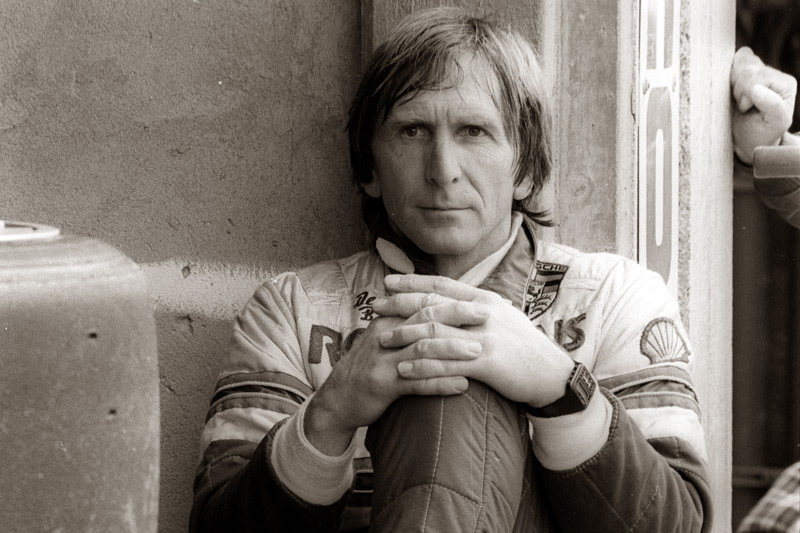
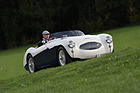
Today marks the 83rd start of the traditional 24-hour race at Le Mans since 1923. No other race in the world can boast such a tradition as this 24-hour spectacle in the Sartre. Whether Siffert (pictured above) or Müller, Brun or Haldi, the Swiss have always been strongly represented.
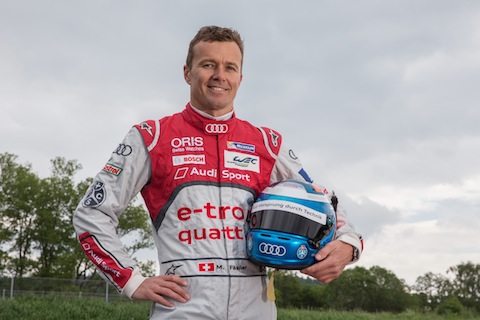
However, there is only one winner: Marcel Fässler has won this classic three times and is once again the big favorite for this year's race.
 s
s
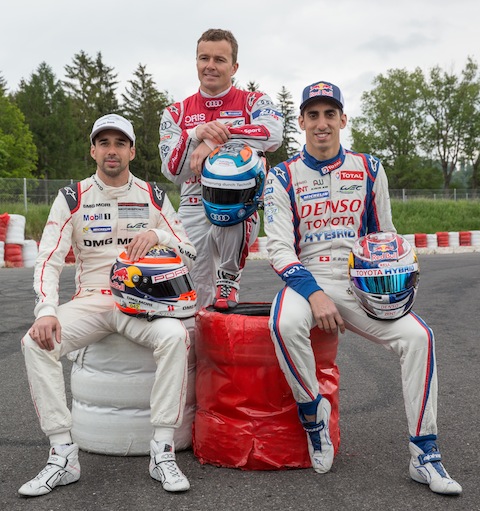
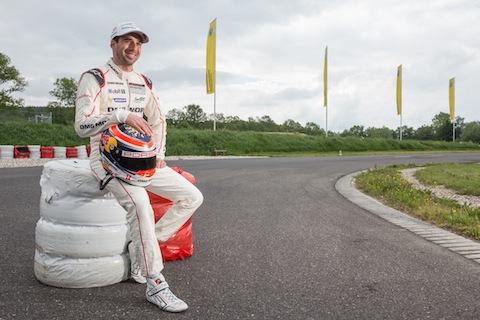
Only this time he will be chased by two other very fast Swiss drivers. Neel Jani 's Porsche will probably be the fastest of all and play a major role in the race for victory, at least that's what his pole position suggests.
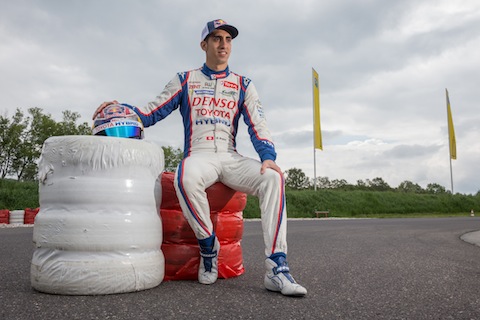
The Toyota of world champion Sebastien Buemi seems to be the slowest of the three at the moment, but certainly not the weakest in terms of reliability.
At the highlight of the season so far at Silverstone, when the winning Audi of Marcel Fässler fought a lap-long duel with the second-placed Porsche of Neel Jani, the two were separated by just 4.61 seconds at the end of the 6 hours. It will be interesting to see how the classic race in the Sarthe develops. The conditions are in place for a race in a class of its own, which could put all other events this year in the shade.
In the past, endurance races were mainly characterized by endurance, but today they have become a pure sprint affair. Time can practically only be gained by overtaking. The lap times and pit stops of all three leading teams are like two peas in a pod. If none of the three is plagued by technical problems, the three top teams - Porsche, Audi and Toyota - will probably fight each other to the death.
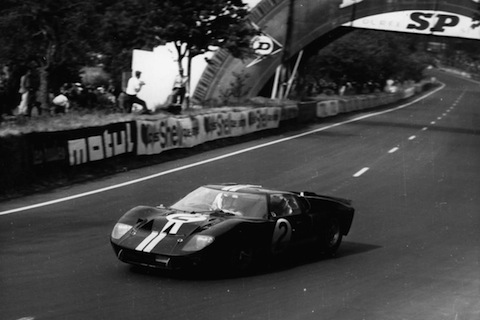
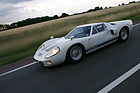
There have been some very close finishes in the past, such as the two Ford GT 40s that crossed the finish line almost in parallel in 1966. All four drivers thought they had won the race, but the ACO declared Bruce McLaren and Chris Amon the winning team ahead of Ken Miles and Dennis Hulme. It was the closest Le Mans finish to date. Both cars had achieved the same average speed of 210.795 km/h and in the end, just 20 meters decided victory or defeat.
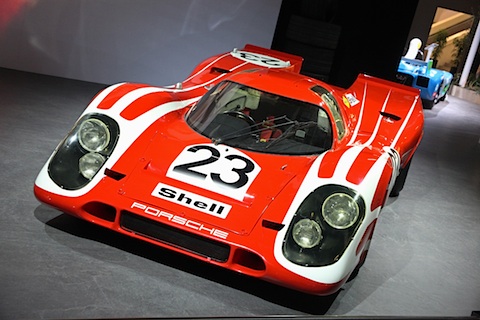
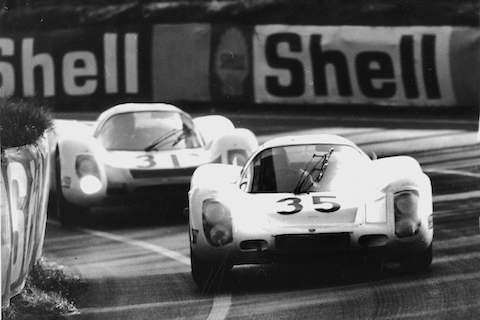
In 1969, the Porsche 908 Langheck of Hermann/Larrousse failed to beat the Ford GT40 of Ickx/Oliver. After the last stop of the two cars, one of the most exciting Le Mans finales in history developed, comparable only to the duel between Tazio Nuvolari and Luigi Chinetti in 1933. The 908 was faster on the straights than the GT40, which in turn had the advantage in the twisty sections - just like the Porsche 919 Hybrid and the Audi R18 e-Tron today! The same game was repeated almost every lap: Hans Hermann overtook the Ford on the long Mulsanne straight, but Ickx countered in the corners before the start and finish. When Ickx outbraked the Porsche before the Ford chicane just before 2 p.m., the race seemed decided. But Charles Deutsch wagged his finger at the two drivers on the finish line, indicating that there was still one lap to go because the full 24-hour distance had not yet been reached. While the cars behind the two leaders were already being waved off, Ickx and Herrmann drove down the Hunaudières straight once again. This time, the Porsche driver was unable to overtake Ickx, who saved a 100-meter lead to the finish. Herrmann toyed with the idea of taking violent action against the Ford in the final chicane for the entire last lap, but decided against it and settled for second place.
Zwischengas wishes all participants an accident-free race and good luck to the three Swiss drivers. We keep our fingers crossed for you guys!