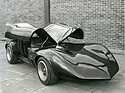
If one motor is not enough, then you just fit two ...

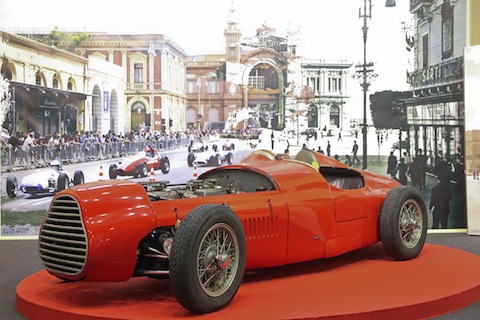
How do you build a fast racing car if you don't have too much money but want to compete against the big and powerful cars of the competition? You couple two inexpensive four-cylinder engines together and double the power and torque. This is probably what Ciro Monacithought at the end of the 1940s and created a front-engined racing car with two Fiat engines mounted one behind the other. The power coupling was even patented and used in shipbuilding.
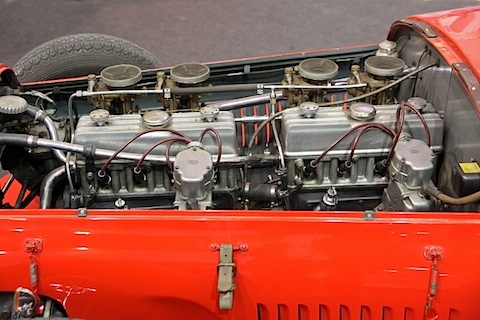
Only a second oil pressure gauge in the cockpit is a reminder of the special motorization.

The car reached over 200 km/h in this way, presumably also thanks to the streamlined bodywork that Zagato designed.
Although the really big successes against the Ferrari 500 and its ilk failed to materialize from 1952 onwards, the engineering achievement was still impressive.
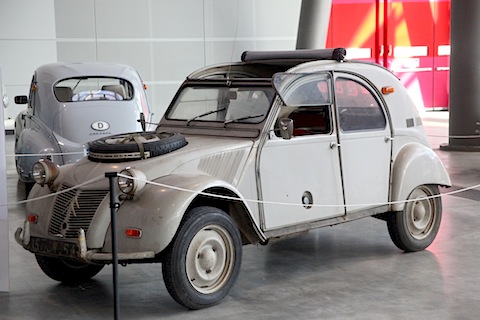
Incidentally, the 1952 Monaci was by no means the only car with two engines. Citroën used a similar trick to give the Deux-Chevaux (2 CV) four driven wheels. They simply installed another engine in the rear of the "Sahara" to drive the rear axle. However, unlike the Monaci, the engines remained completely independent except for the gearshift, which had to shift both gearboxes.
You can still marvel at the Monaci until Sunday evening at the "Auto e Motor d'Epoca" trade fair in Padua, a detailed report will follow soon.