The allure of the unknown

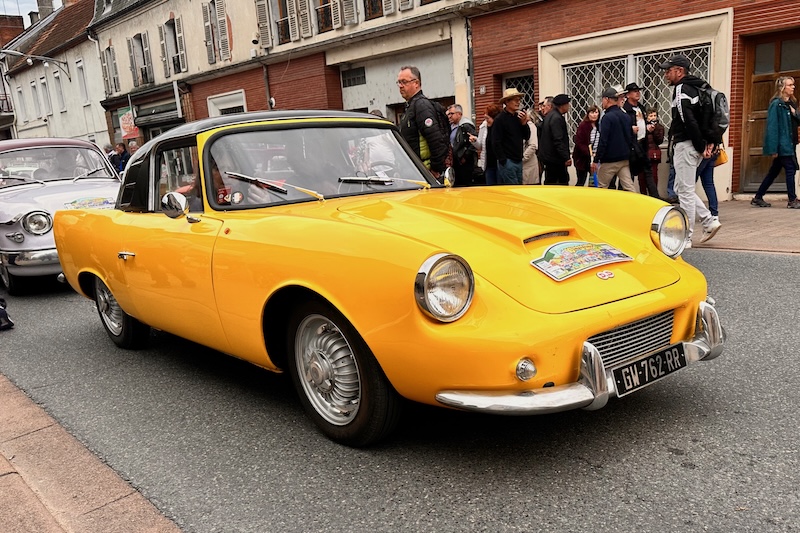
You think the field has been grazed, that the white spots on your personal knowledge map have almost disappeared and that new discoveries in the vast, dense jungle of classic automobiles are becoming increasingly rare? You are not alone! Certainly, it is important to remain modest and to be aware that the world that inspires us so much fortunately still has many surprises to offer. Every now and then you come across a car that you may have recognized by name but have never actually seen in the flesh. Or, conversely, you discover a car and only find out that you've heard of it after doing some research - like what happened to me with the Deutsch-Bonnet Le Mans (see first picture) in Lapalisse in the fall of 2024. Either way, these moments remain exciting and are certainly part of the fascination of classic cars. But if you're a bit of a smart aleck, you might like to experience a real surprise again - a positive one, of course!
There are still plenty of them in the world of - small cars! And, I have to admit, the nuts to crack here are sometimes even bigger than in the real world of cars. We are talking about toy cars and models and this is especially true if you keep the focus relatively wide open. In my case, this doesn't depend on the material or the size; miniatures always fascinate me. However, I actually like it when a model is recognizable and a certain seriousness can be seen in the miniaturization. I have already discussed this recently in my B.V.R.T.-Vita-Min blog . However, there are also exceptions, for example when a certain age can be assumed or the miniaturization is simply successful.
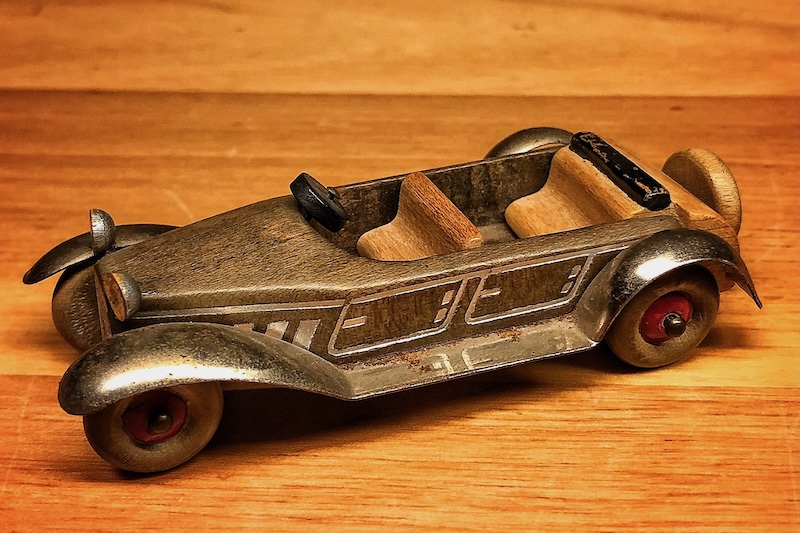
Never seen before, but it caught my eye: Small, unknown wooden phaeton from industrial production, probably from the 1930s
Some time ago, a wooden car in about 1/50th scale was a special case that I was able to get hold of as by-catch during a house clearance. It was clear that the small phaeton with printed bodywork and sheet metal fenders came from an industrial factory. But who had once made it? I knew that this type of wood treatment - highly polished and painted to be extremely abrasion-resistant - and the deep silver embossing, I knew it from somewhere. But from where? It was quite a while before a doll's house furniture set popped up on a relevant sales platform. We used to play with it at our grandma's, who had set up a play corner for us children when we visited.
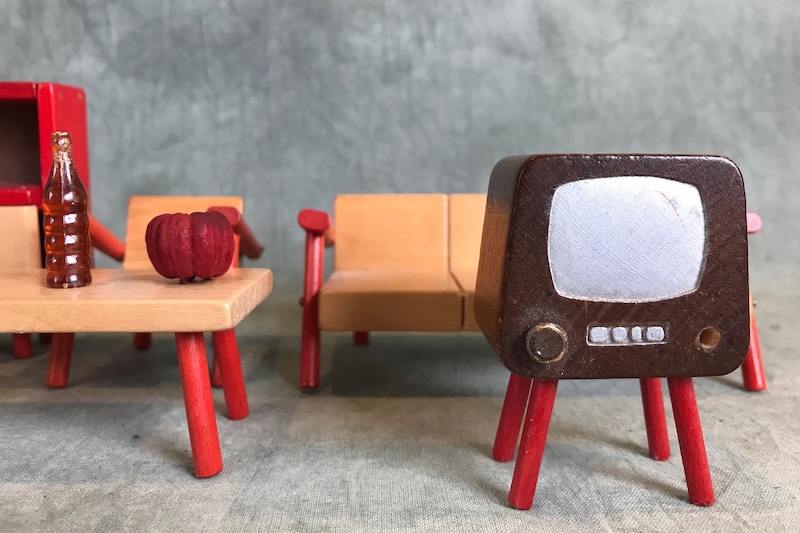
A doll's house television as the key to its origins
The television had a silver, embossed screen. The manufacturer, according to the seller, was called ToFa. This was the name of a nationalized Czech company in Albrechtice (Albrechtsdorf). Previously the company had been called Schowanek and indeed: under this name I found a construction kit from the 1930s with which you could assemble exactly such car models from individual wooden parts, sheet metal fenders and with the help of small nails. One more mystery solved. The unique finish of the Schowanek wooden products was due to the fact that the individual wooden parts were spun together with small pumice stones in an octagonal wooden drum and then dyed and varnished. The open wood pores allowed the paint and varnish to penetrate deeper into the wood, ensuring a highly resistant and impact-resistant paint finish.
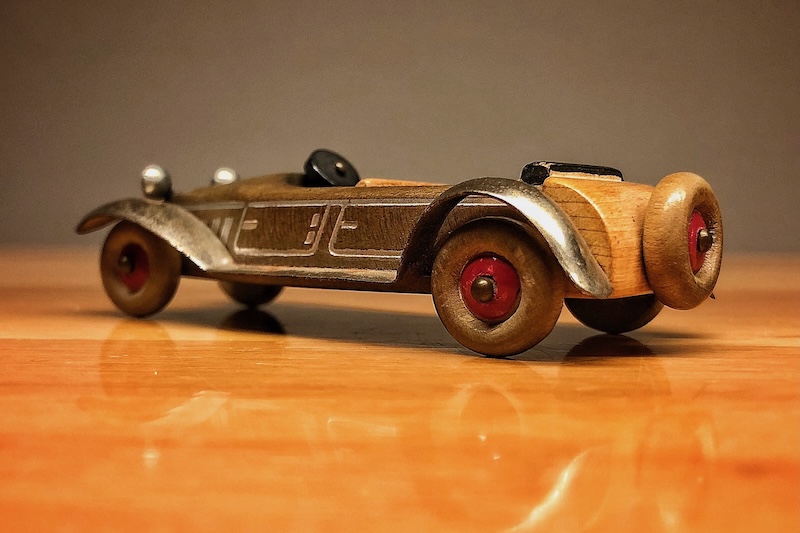
Part of a kit from Schowanek from Albrechtsdorf in Czechoslovakia around 1935
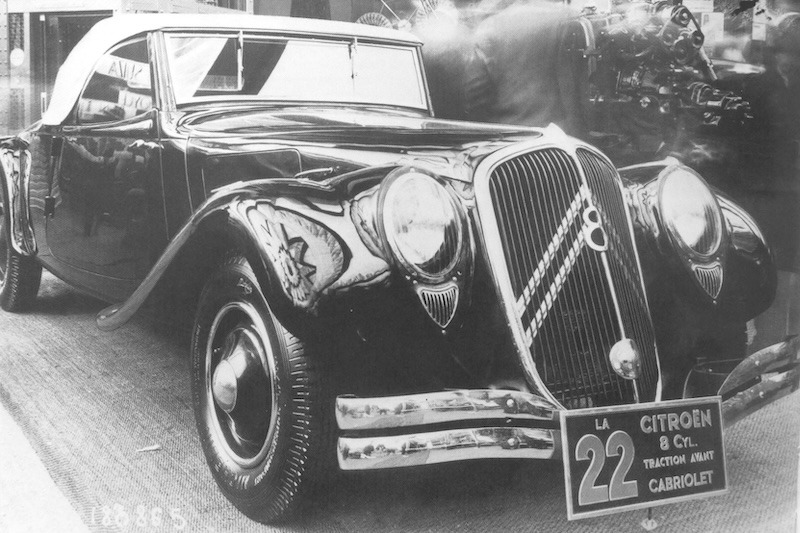
So for those who have never found the big sensation, the missing link in model history, a (THE) lost Citroën Traction-Avant 22CV V8 or the missing Bugatti Atlantique "La Voiture Noire", so to speak, there is consolation. You can also discover things on a small scale and enjoy them. However, if all this has too little to do directly with our favorites, the "real" cars, I can recommend another, almost infinite field of activity with great potential for new discoveries, even entire company histories that need to be salvaged: Caravans!
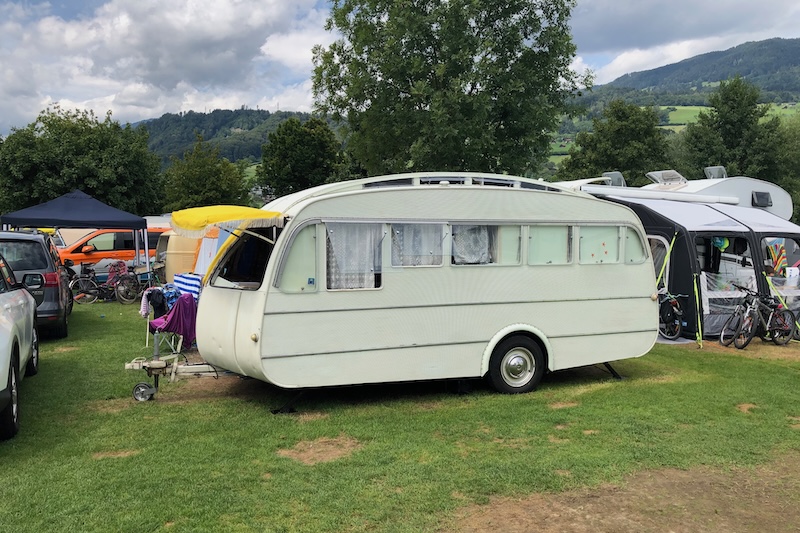
Caravane de France from the company Hénon in Albert (F), model Ambiance 1967