Three things from 50 years of three series

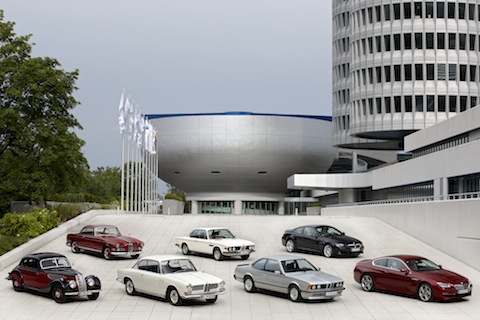
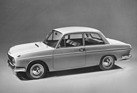
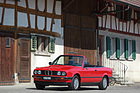
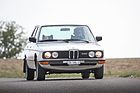
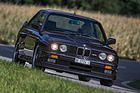
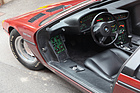
One of the most famous drinks in the Kronenhalle Bar in Zurich is the "Dreierlei". The special thing about this alcohol-free - and therefore driver-friendly - cocktail is that it actually consists of four ingredients. This is why I would like to discuss four observations that I was able to make during a comparison drive with six (of the seven) generations of the BMW three-series, which BMW Switzerland kindly organized to celebrate the 50th anniversary of this important product line.

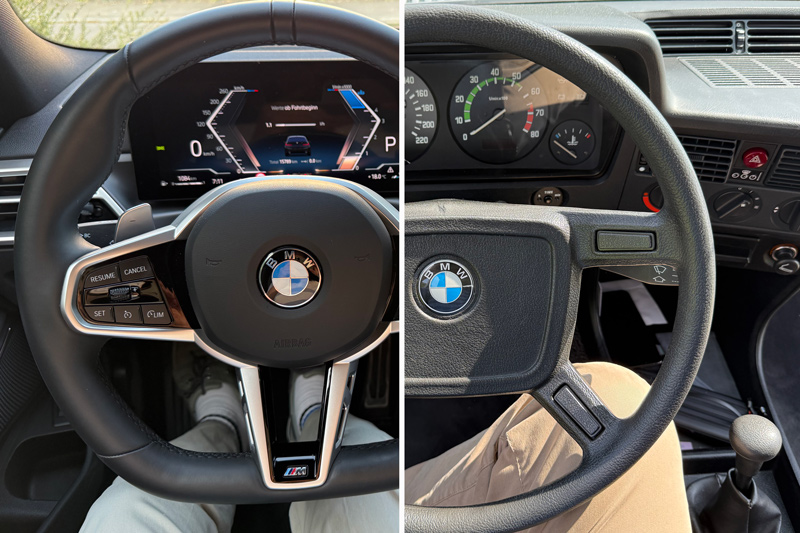
Once again, it was extremely noticeable how much the steering wheels have changed in 50 years. Once round and relatively thin, often wrapped in a rubbery plastic material, they have become a multifunctional device with many buttons, a flattened lower section and, above all, an extremely thick rim. The steering wheels of the E30/E36 generations were actually the most balanced.
The diameter of the wheels also increased significantly. In the BMW 323i, 13-inch steel rims were sufficient, today we are already at 20 and 21-inch aluminum wheels, while 17 or 18 inches seem almost slender in modern cars.
The seats have become much firmer, one could also say firmer, and in the modern era they also offer considerably more lateral support, but at the same time naturally offer less entry comfort, especially when sports seats are fitted. The 323i of the E21 generation still had comparatively yielding seats, but they still feel good today.
A lot has also happened in terms of material appearance and choice. Since "influencers" from near and far vehemently criticized the "scratchy plastic", car manufacturers in the modern era have had to resort to higher-quality plastic surfaces, quilted (artificial) leather covers and the like, while simple hard plastic was still perfectly okay, even state-of-the-art, in the BMW E21.
Of course, the current generation (G20/21 facelift) can do almost everything better than its predecessors. A modern 320d with 190 hp as the near-entry-level model in the series leaves the former top-of-the-range 323i model of the E21 series far behind, consumes barely half as much fuel and offers a great deal of noise comfort and HIFI enjoyment that drivers could once only dream of. However, today's 320d also costs around four times as much (not adjusted for inflation) as the former top model of the first generation. And of course an M3 CS Touring could do much, much better, but the price gap would then be even greater.

But despite all the progress, the various "test drivers" at the BMW Switzerland three-way event were almost all in agreement that the 323i of the E21 series was the car that surprised them the most and was able to convey the most rustic driving pleasure.
P.S. Of course, this "trifecta" is not the end of the story; we will be publishing detailed driving reports on some of the particularly interesting models from the sextet in the coming weeks, starting with the M3 GT (E36) ...