The convertible is dead, how long will the Targa live?

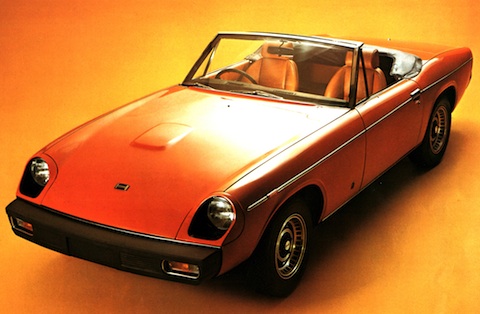
The days of the convertible seemed to be numbered in the seventies. At least that's what car buyers and therefore car manufacturers thought. Unit numbers continued to fall and new releases in the form of genuine convertibles could be counted on one hand - the Jensen-Healey Cabriolet (pictured above) or the Mercedes-Benz SL of the R107 series presented in 1971 were exceptions.
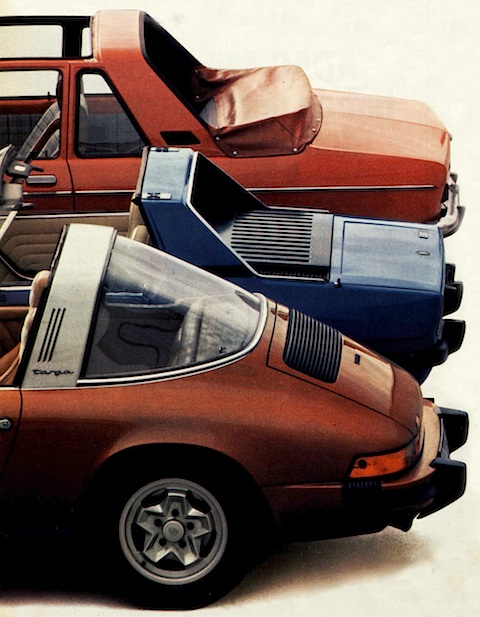
New open-top vehicles were mostly Targa designs with a fixed roll bar, as used by Porsche in the 911 and also the 914. The Fiat X 1/9 and the Opel Kadett Aero also used this design. Manufacturers such as BMW, Porsche and Opel had not had a full convertible in their range for some time, and buyers had to choose between outdated designs such as the VW Beetle, Triumph Spitfire, Alfa or Fiat Spider and a few other models if they wanted to have the wind blowing around their ears.
Full convertibles had a reputation for being unsafe and it was rumored that the Americans would soon ban the convertible. Both were false, as Dr. Ulrich Seiffert from Volkswagen explained in a report in ADAC Motorwelt in 1977. In fact, the crash conditions for convertibles were the same as those for saloons, rollover tests were not required and the only thing that could be dangerous for the convertible was a European law proposal that threatened to prescribe the upper anchor point of the seat belt at a certain height. In fact, this law could only have been fulfilled with a bar or pillar design, but it obviously never came into force. The VW Golf nevertheless came with a bar, partly to meet the increasing safety demands of buyers.
It would take until the end of the 1980s for a new convertible boom to be initiated with bow-less, fully open vehicles such as the Mazda MX5 or the BMW 3-series convertible (E30), which subsequently triggered a real convertible glut. And it took much longer for Volkswagen to remove the attached bar from the successful VW Golf convertible model ...