
About subjective and objective criteria for H license plate/veteran status

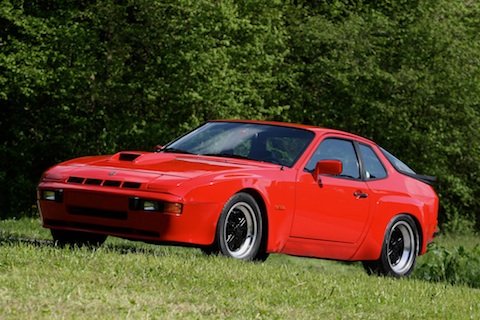
The Porsche 924 Carrera GT pictured here should easily qualify for an H license plate (Germany) or veteran status (Switzerland). It is over 30 years old, well maintained, largely in its original condition and has been spared unnecessary and inappropriate accessories.
Being assessed as a classic (and therefore a cultural asset worthy of protection ) brings advantages: Lower tax rates and free entry into environmental zones (H license plate), or sharing a license plate with a whole range of other classics (e.g. up to 12 in the canton of Zurich) and motor vehicle inspections only every six years (Swiss veterenan status, code 180). This pays off and makes many things easier; accordingly, classic status is coveted and also has an impact on value.
Unfortunately, however, the assessment/evaluation of an old car is not a pure science. There are different views, personal preferences and conflicts of interest. The public authorities try to introduce as much objectivity and fairness as possible into the vehicle inspection process. TÜV Süd , for example, has documented "its " criteria for H-approvalin detail .
For TÜV Süd, "originality" is important, conversions must (normally) have been carried out in the first 10 years of registration or be at least 20 years old. The condition of the vehicle should at least correspond to classification "3", i.e. normal signs of ageing are permitted, but the car must be serviceable and roadworthy. Non-original paint colors are also permitted, patina is only accepted up to a certain degree. Conversions, e.g. from a coupé to a convertible, are only eligible for an H license plate if they are at least 20 years old. The original appearance is important. For accessories, the criterion "contemporary" is central.
There are also similar information sheets in Switzerland, for example in the canton of Zug. However, the list of criteria goes into much less detail and only mentions the "original design" and the intended use. While some cantons require FIVA ID cards, others make do with classic car experts and networks.
At the end of the day, a well-preserved original vehicle that receives an H license plate in Germany should also be eligible for registration as a veteran in Switzerland and vice versa. In detail, however, different treatment is possible. In any case, it helps to have your vehicle well documented and to be able to pull out books, magazines, online resources and the like on request if differences of interpretation arise.
However, the Porsche 924 Carrera GT mentioned at the beginning should be able to clear the hurdle in both countries. In the case of recreations, continuations, replicas, specials, hot rods or other conversions, the result can vary depending on the country, canton/province, test center and people involved. And even a registration with an H license plate or veteran status does not guarantee that the next inspection expert will assess the issue in the same way again in two or six years' time ...