Singer: Destroyer of Cultural Heritage?

Does Singer Destroy Classic Cars? The question came up during the discussion when PS Speicher in Einbeck added a classic Mustang converted to electric power to its mobility collection. And it suggested that such conversions could save classic cars—that is, allow them to keep running.
We don't want to reopen that discussion here. But the question remains: If such a conversion destroys cultural heritage, haven't companies like Singer and Ruf already done the same thing years ago?
The clear answer: No. A classic car is cultural heritage. A new car is not. When the “customizer” crowd modifies new cars, it destroys—nothing. And when that new car turns 30 years old, it becomes cultural heritage. Even with the modification that represents the automotive era of that time.

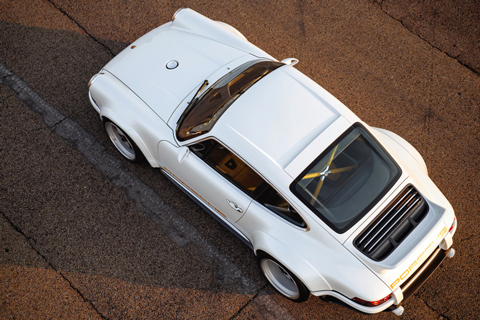
Singer DLS Turbo based on the 911
Another scenario: Someone brings in an existing piece of automotive cultural heritage and wants it modified. First option: A modification like those done 30 or more years ago (this works only with Ruf, not with Singer). This is called contemporary tuning. It's permitted and, while it modifies the existing, original cultural heritage, it doesn't destroy it.
The vehicle is modified exactly as it was done 30 years ago. And at Porsche, that's a vast field, if you ask the old-timers who were already tinkering with 911s back in the 1970s and 1980s. Back then, they'd give the car a visual refresh, tune up the engine, and order the custom paint job. Feasible, allowed, and no big deal.

Singer Turbo 911 engine
Second option: A new, modern conversion into a restomod or a completely new interpretation of the technology and bodywork. This must be approved by inspectors and—is no longer a classic car. But it doesn't claim to be one either. Nor does it claim that the conversion saves the classic car as a means of transportation, as in the case of the Mustang. The conversion is the wish of an enthusiast who values his dream configuration more than the cultural heritage.
This applies—quite rightly—to anyone who strips their Mustang of its V8 and installs an electric motor. But neither Singer nor Ruf claim to preserve automotive cultural heritage, let alone save it. Singer itself speaks of a philosophy of making a Porsche better than it was when it left the factory. Ruf speaks of perfection. You can understand that—you don't have to like it—but it has nothing to do with classic cars. And that's why it's uncontroversial.

Ruf conversion of an old Porsche 911
The Mustang “GTE” would be the same, were it not for the claim that such electric conversions can save classic cars and keep them on the road. That's precisely not the case. This conversion destroys the classic car just as much as a restomod or backdate process by Ruf or Singer. But they stand by it, whereas in the other case, the pretense of supposedly “saving” classic cars is used as a cover.