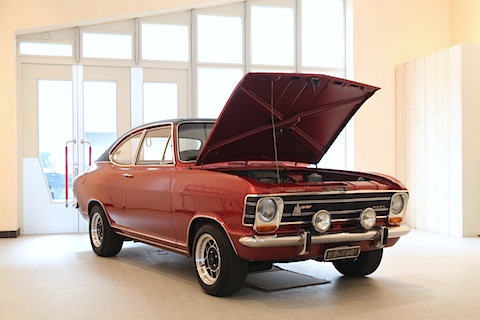
An update of the veteran status is imminent

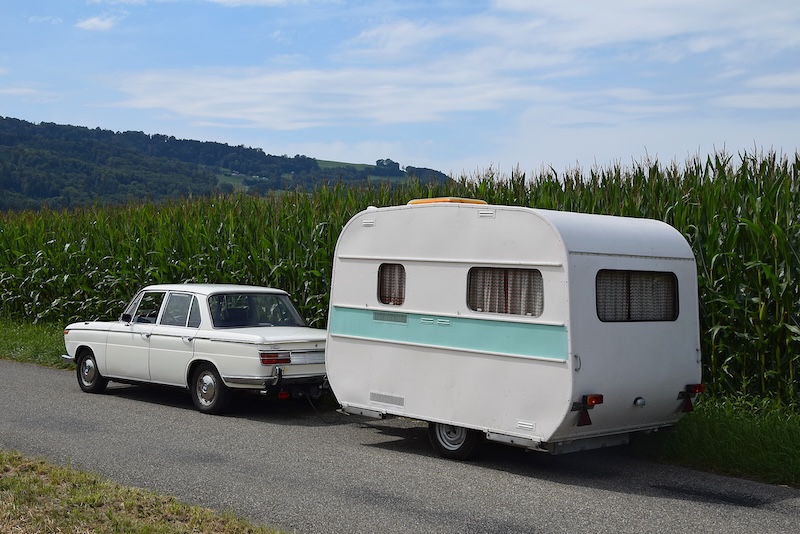
Swiss veteran status is a fine thing. This gives historic vehicles a number of privileges and simplifications, for example with regard to the periodic inspection, the equivalent of the German TÜV. The inspection intervals for older vehicles are two years, while veterans have a period of six years before they have to present themselves again at the MFK motor vehicle inspection. On the other hand, there is an annual limit of around 3000 kilometers driven. The system with the "Code 180", the entry in the vehicle registration document as a "veteran vehicle" works quite well.
Where discussions have repeatedly arisen, however, is in the required visual condition of the inspected vehicle. Meanwhile, there were and are no differences in terms of technology and safety. What was state of the art at the time and rolled out onto the road should function correctly and optimally. The same applies to the structural integrity of the vehicle, its body and frame. On the other hand, there have always been major differences of opinion on the question of which paintwork is still considered worth preserving and what a vehicle interior should look like. Can a driver's seat have a small crack or are traces of time and minor repairs to the paintwork, slight spots in the chrome or, in the case of older vehicles, in the nickel, tolerable? Is a Land Rover that has served for 50 years in the fields and forests even allowed to drive up with a few minor dents? The passage that a veteran vehicle should differ as little as possible from the condition of a car that has left the factory was interpreted very differently by the various inspectors in the cantons. In fact, it has even gone so far that more tolerant inspection bodies have been given preference in these matters in order to avoid a possible loss or refusal of veteran status.
However, the inspectors are tired of having to deal with vehicle owners on the basis of visual - and therefore sometimes highly subjective - issues. And the owners, restorers and mechanics who have to bring a vehicle in for inspection want some certainty as to whether an old paint job will still pass or whether it should be destroyed, i.e. repainted, just because of a single inspector. The same applies to leather or textiles with light to medium signs of wear in the interior. Many people are of the opinion that what is still there after 30 years or more has basically been looked after, even if it no longer looks like new. The "well-maintained condition" of a historic vehicle thus takes into account the fact that even a normally well-maintained used car has usually long since ended up on the scrap heap after 30 years.
For this reason, the practice is now to be adapted somewhat in a round of revisions and the visual condition will no longer be given so much weight when granting veteran status. The possible uses of a veteran are also to be relaxed. In future, trailer couplings will be possible without further proof of an existing historic trailer on a veteran vehicle. This would make it possible to tow a modern car transport trailer on a veteran, for example, with an equally historic racing car on the hook. The same applies to a modern caravan in order to have a mobile home with you at an event lasting several days. The examples are not exhaustive and there are also some sticking points such as a possible restriction of individual vehicles to certain routes. It is still unclear exactly what this means and what type of vehicles should be affected and the consultations are still ongoing. The question of the abolition of mandatory exhaust gas maintenance in Switzerland for cars younger than 1.1.1976 and still without a mandatory OBD plug is also still open. But the fact that these are being carried out is a good sign for historic vehicles in this country. We shall see.