Car lamps - from utility to design object

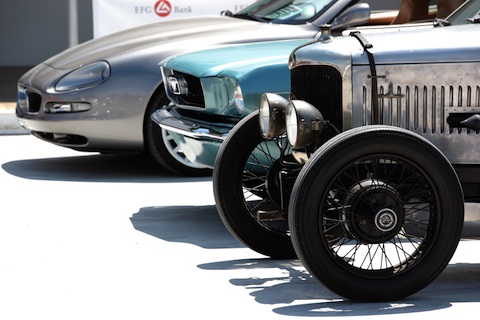
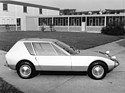
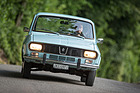
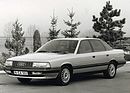
The importance of lighting units for vehicle design has changed drastically over the years. In the early days of the automobile, headlights were simply a means to an end, but after the Second World War, designers increasingly incorporated them into the overall design in order to achieve brand characteristics and a special look. New technologies, such as the swivel headlights of the Citroën DS, also had a major impact on the shape of the lamps. The invention of xenon lamps, projection headlamps and, most recently, LED lights opened up new and versatile design possibilities, which were exploited to the full, so that even today the easiest way to distinguish different models from one manufacturer is by the shape of the daytime running lights.
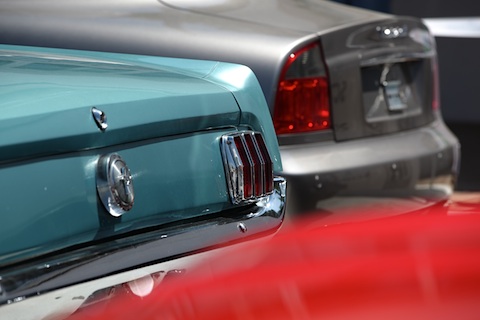
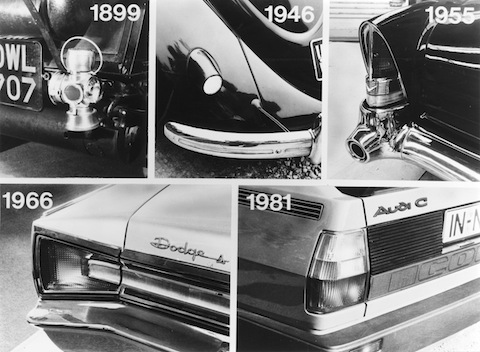
The shape and significance of the lights at the rear also changed. Early cars did not need any lights at all at the rear; later, relatively simple, mostly round lights were used. Here, too, many new variants appeared after the Second World War, but especially in the 1960s. And here too, new technologies and regulations (raised brake lights) led to diversity and creative solutions.