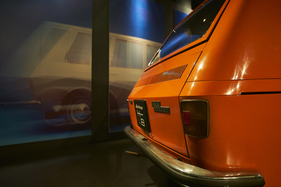
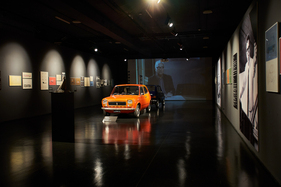
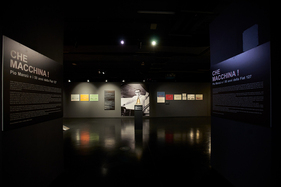
Until September 5, the Museo Nazionale dell'Automobile Turin (MAUTO) is showing the exhibition "Che Macchina!" (Italian for "What a car!"), which focuses on the Fiat 127, which is celebrating its 50th anniversary this year. The exhibition also pays tribute to the designer who created the shape of the car: Pio Manzoni alias Manzù, son of the famous sculptor Giacomo Manzù.
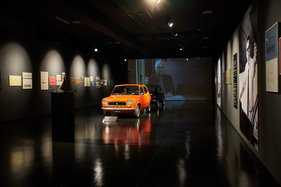
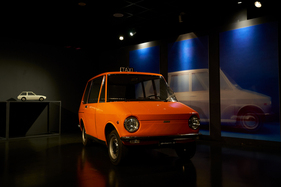
In addition to a selection of 127 series and special models, drawings, models and prototypes of the Fiat presented in 1971 can also be admired, as well as a collection of other designs by Pio Manzù, such as the Parentesi lamp from 1968 or the Autovova FAM minivan study from 1964. The Fiat City Taxi, which Manzù developed on the basis of the Fiat 850, shows a similar concept.

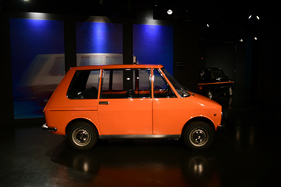
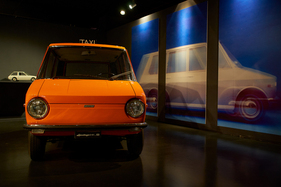
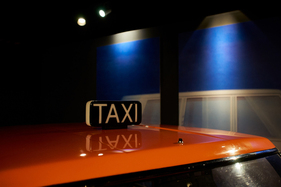
The tiny orange model with a rear engine was presented at the Turin Motor Show in 1968 and was intended to replace the Fiat 600 Multipla, which was often used as a cab. Unlike the Multipla, the new model was designed from the outset for use as a hackney carriage. An electric sliding door on the passenger side, together with the high roof, was intended to make it easier for passengers to get in. The chauffeur entered through a normal door at the front.
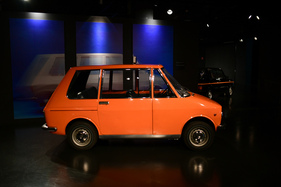
The rear seats offered space for three passengers. When a fourth passenger boarded for short journeys, an additional seat was folded down next to the driver. Otherwise, the space to the right of the driver was intended for large luggage, which could be secured there with a belt. Smaller bags were to be stored in the space behind the rear seats, above the engine. A microphone next to the sun visor allowed the driver to speak to his control center by radio.
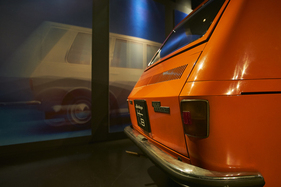
However, the Fiat 850 City Taxi did not go into series production. Italian cab drivers drove either a Fiat 124 or 127, thus completing the circle.