Ferrari Studio Cr 25 Pininfarina - aerodynamic and quite different


You have only
1 out of 28
images seen in high resolution
Summary
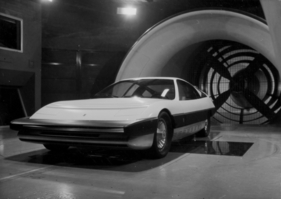
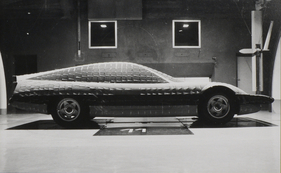
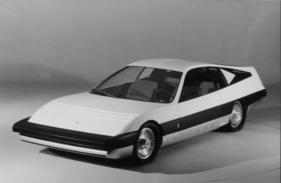
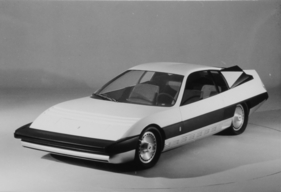
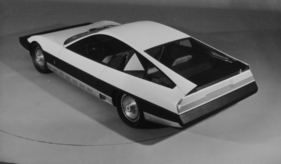
In 1974, aerodynamic drag and low fuel consumption were a major issue due to the energy crisis. It is doubtful whether Pininfarina's proposal for a sports car with a low drag coefficient and compact silhouette, but with a Ferrari twelve-cylinder engine under the hood, hit the mark. But the car was certainly interesting, even though few people remember it today. This report takes a look at the history of the streamlined four-seater Ferrari prototype and shows it in pictures, some of which have never been published before.
This article contains the following chapters
- Presentation at the Turin Motor Show
- Contrasts
- Ferrari technology
- Sophisticated aerodynamics
- Innovative detailed solutions
- Tires of the future?
- Digital interior
- Few appearances
Estimated reading time: 7min
Preview (beginning of the article)
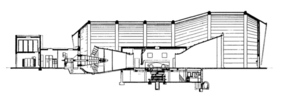
It was already known before the Second World War that there was a direct correlation between air resistance and the achievable driving performance, as well as the fuel consumption values produced. Wind tunnel tests were carried out on car models as early as the 1950s, but it was quite a while before the effects of aerodynamics could be measured and tested on full-size cars themselves. Pininfarina had already carried out initial project studies in the mid-sixties in collaboration with the Polytechnic of Turin and the Augsburg-based company Pfister Waagen AG, but it was not until 1970 that construction work on the building could begin.
Continue reading this article for free?
Images of this article




_RM.jpg)