Dino 206 GT - In the name of the son




You have only
1 out of 50
images seen in high resolution
Summary
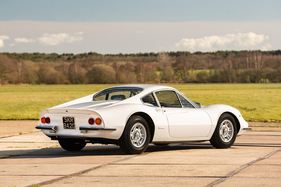
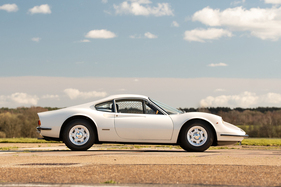
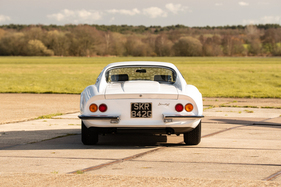
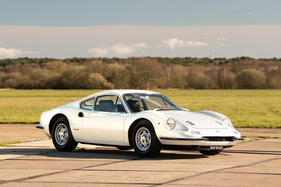
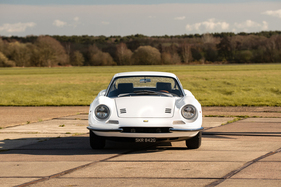
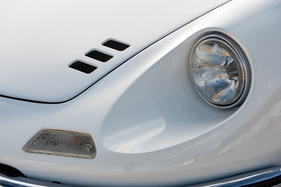
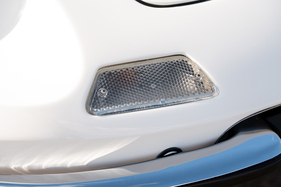
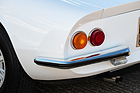
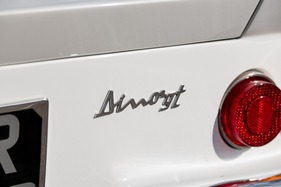
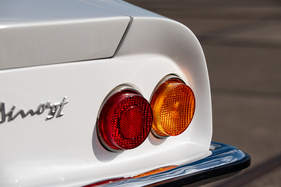
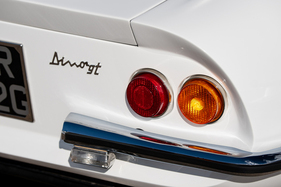
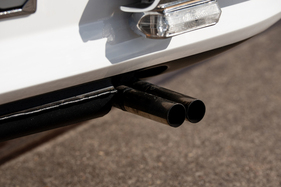
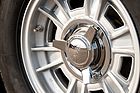
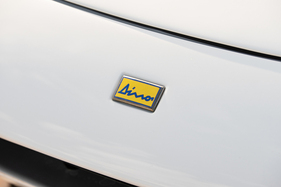
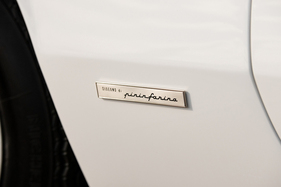
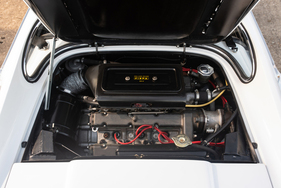
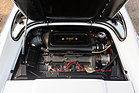
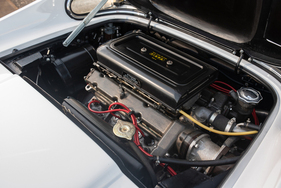
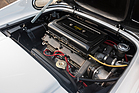
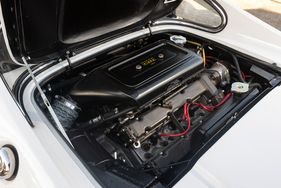
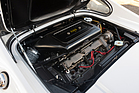
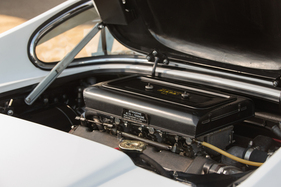
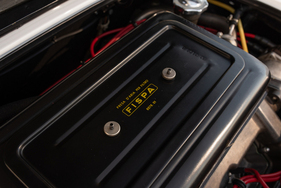
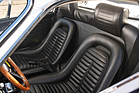
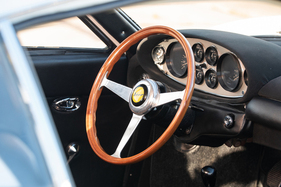
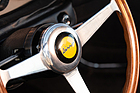
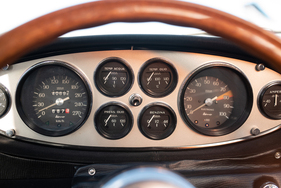
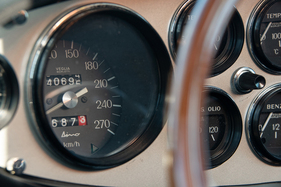
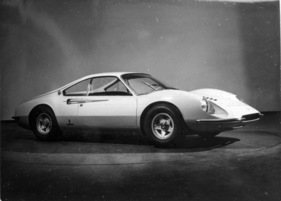
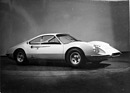
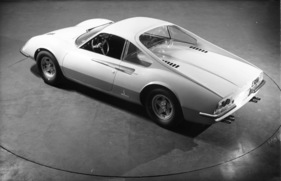
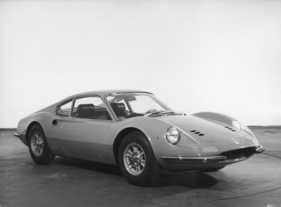
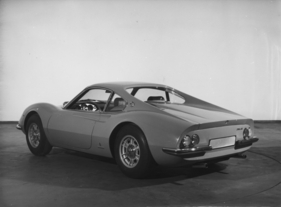
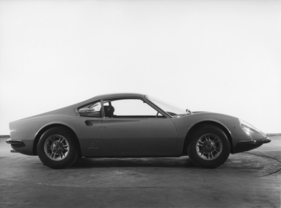
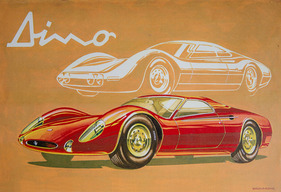
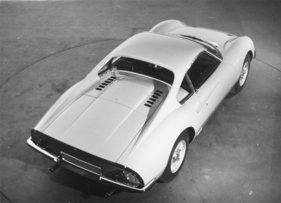
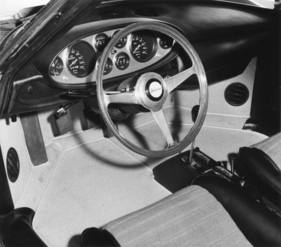
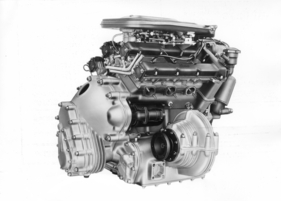
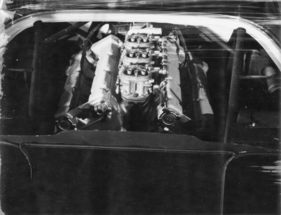
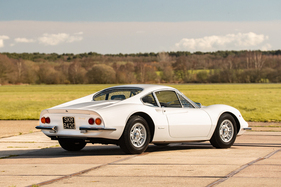
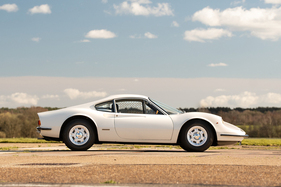
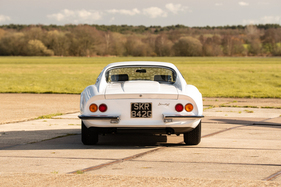
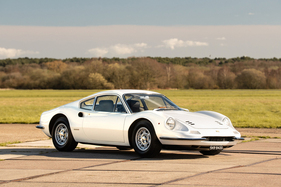
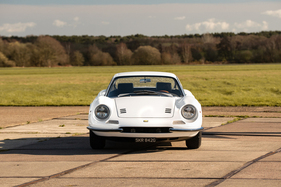
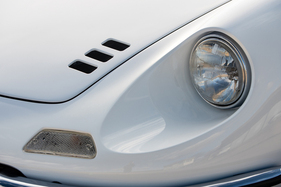
In the mid-sixties, Enzo Ferrari had no desire to get involved with mass producer Fiat, nor to build newfangled stuff like a mid-engine into his road-going sports cars. But external circumstances forced him to rethink. The result was the Dino 206 GT with a light-alloy body and racing engine, of which only 152 were built within a year. This article tells the story of the first Ferrari with a mid-engine, which only ever had one first name, and shows it in many photos.
This article contains the following chapters
- A racing engine as a last resort
- Two cars, one engine
- This is no Ferrari!
- Source of drive and joy
- Too fast for the carburetors
- Iron instead of aluminum
Estimated reading time: 9min
Preview (beginning of the article)
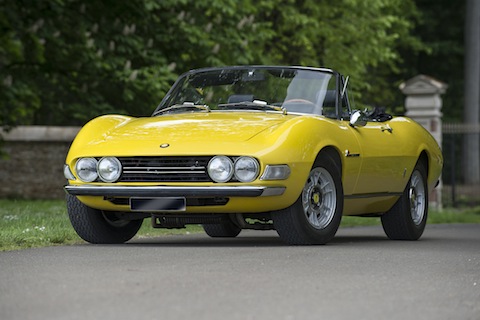
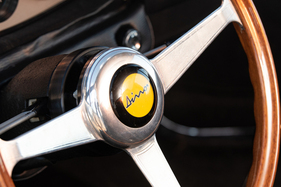
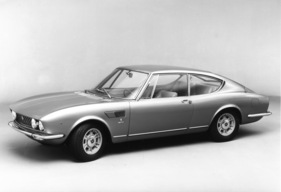
When the new regulations for Formula 2, valid from the 1967 season, were laid down at the beginning of 1965, Enzo Ferrari was faced with a huge problem: how was he supposed to build and sell at least 500 FIA-homologated GT cars within a year in order to be allowed to use their engines in his Formula 2 racing cars? What's more, a tiny V6 with a maximum displacement of 1.5 liters, when his customers were used to at least double that - both in terms of displacement and cylinders. Salvation came in the form of Fiat managing director Gianni Agnelli, who soon needed a new top-of-the-range model to replace the Fiat 2300 S Coupé, which had been in production since 1961, and therefore knocked on Ferrari's door - and found it open. On March 1, 1965, the two patriarchs agreed that Fiat could equip its next top-of-the-range coupé with the light-alloy V6 from the Ferrari 166P if the car bore the name of the engine: Dino.
Continue reading this article for free?
Images of this article


_RM.jpg)