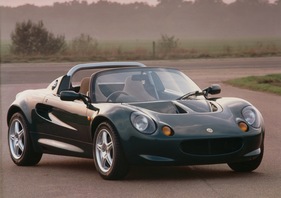
20 years ago, the innovative Lotus Elise was presented to the public for the first time at the IAA in Frankfurt. The 20th anniversary was obviously not worth any major PR activities on the part of Lotus, so there was hardly any celebration.

Yet the little Lotus and the associated technology is a success story! In April 2015, the company was able to look back on 40,000 "small car platforms". The bonded and riveted aluminum chassis that held the Elise together was highly innovative in 1995 and has been the basis for a number of sports cars that have benefited from the technology developed by Lotus:
- Lotus Elise (in many variants)
- Lotus Exige/340R/2-Eleven/etc.
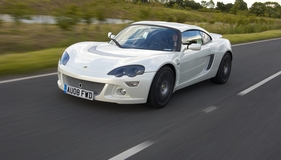
- Lotus Europa S/SE
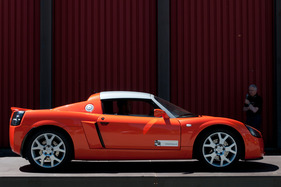
- Opel Speedster / Vauxhall VX220
- Melkus RS 2000
- Tesla Roadster
In addition, various one-offs and prototypes were brought to life with the Elise chassis technology, including the Rinspeed sQuba, the PG Elektrus, the Detroit Electric SP.01, the Hennessey Venom GT and the Dodge Circuit EV.
The self-supporting chassis design developed for the Elise has been continuously refined since 1995, and today the structure weighs just 68 kg.
The Lotus Elise, on the other hand, became heavier and heavier, primarily due to safety and comfort requirements, so only the first models had the lightweight aluminum disc brakes on board.
The Elise was certainly a huge success for Lotus, with delivery times of 12 months or more in the early years. The little sports car probably even saved the brand from going under ...