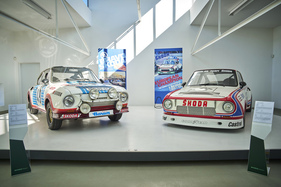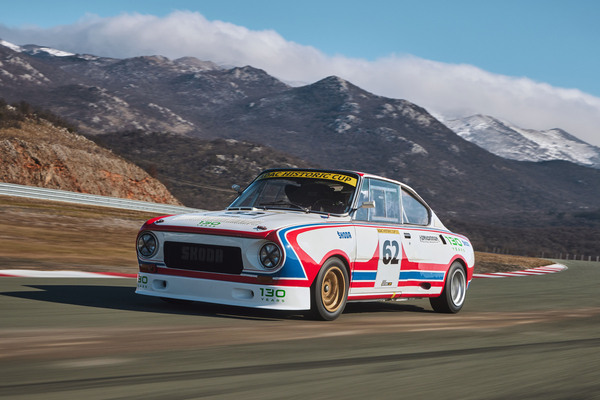


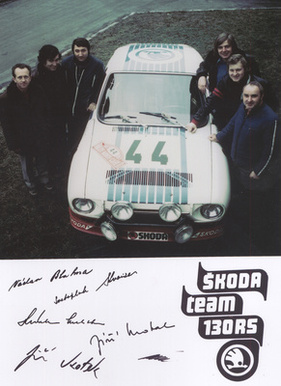



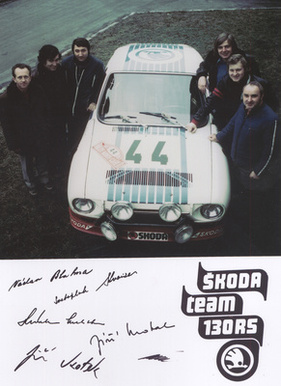
This year, Škoda Auto is not only celebrating the 130th anniversary of the company's founding, the Škoda 130 RS is also celebrating a very special anniversary in 2025: 50 years ago, the sports coupé made its public debut on the Most racetrack.
The Škoda 130 RS is one of the most legendary vehicles in the history of the car manufacturer from Mladá Boleslav. In its day, it won numerous titles in international motorsport - both on rally and circuit tracks. The 130 RS built on the strengths of its predecessors, the Škoda 180 RS and 200 RS, and quickly became a serious rival to its established competitors thanks to its outstanding driving characteristics. With its many successes at prestigious events, it made a name for itself as an icon of Czech motorsport. To celebrate its 50th birthday, the Škoda Museum is exhibiting three examples of the Škoda 130 RS in the prototype and sports car depot until April 27.
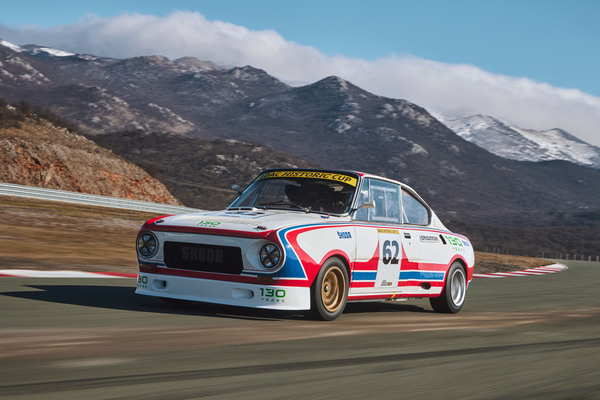
A star on the international rally and racing scene
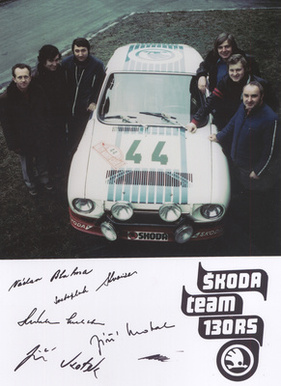
Just one month after its presentation on the race track in Most in April 1975, the Škoda 130 RS Coupé - internally known as the Type 735 - achieved an impressive result in its first competition appearance. In the European Touring Car Championship in Brno, two Škoda 130 RS finished third and fourth in the class up to 2000 cc. This first success laid the foundation for an extremely successful motorsport career for the 130 RS. It collected trophies both in Eastern Europe and on the international stage, where it was up against tough competition from Western brands.
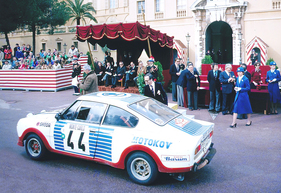
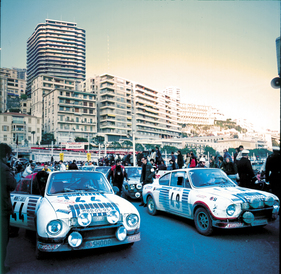
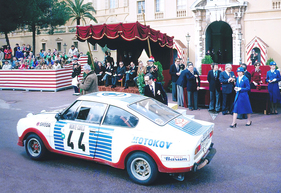
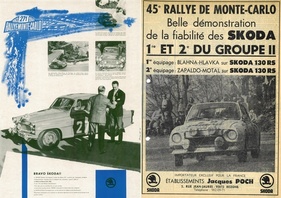
One of the Škoda 130 RS's greatest motorsport successes was its double victory in the class up to 1300 cc at the legendary 1977 Monte Carlo Rally, where the best-placed 130 RS even finished twelfth overall. Eighth place overall in the 1979 Acropolis Rally also stands out in the Škoda 130 RS's résumé; in 1981, the coupé repeated this result and once again outpaced its significantly more powerful opponents.
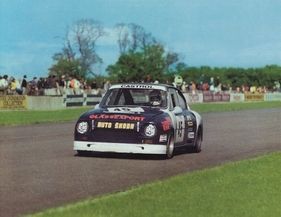
The Škoda 130 RS also caused a sensation on the racetrack. In 1981, the model achieved its greatest success by winning the one-make classification in the European Touring Car Championship. Even in the years before that, the agile coupé had consistently achieved podium finishes in its class.
The recipe for success: lightweight construction and outstanding handling
At the rear of the Škoda 130 RS was a water-cooled four-cylinder engine with OHV valve control and a displacement of 1.3 liters. Over the course of its career, the output of this engine increased from 113 hp at the beginning to 142 hp in the circuit version. As the engineers had replaced numerous body panels of the basic model with parts made of aluminum or fiberglass, the racing version weighed only 720 kilograms. As a result, the engine output was sufficient for a top speed of 220 km/h.
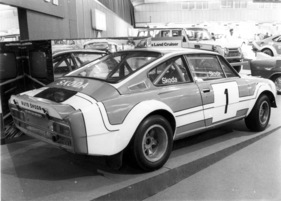
However, the real strength of the competition vehicle from Mladá Boleslav lay in its handling and agility. The outstanding vehicle balance gave drivers great confidence in every situation, so that they could always go to the limit, even under pressure. Škoda produced around 200 of the 130 RS itself, while several dozen more vehicles were built privately using original factory parts.
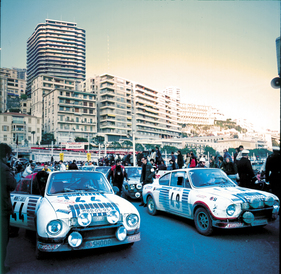
Legacy of the iconic RS emblem lives on today in sporty production and motorsport models
The abbreviation RS for Rallye Sport also appeared with the Škoda 130 RS. Since then, this designation has become an iconic feature of Škoda's high-performance models. The sporting legacy of the first RS model lives on today in several of the brand's production sports cars.
In international motorsport, the Škoda Fabia RS Rally2 upholds the RS suffix in the WRC2 category of the World Rally Championship.