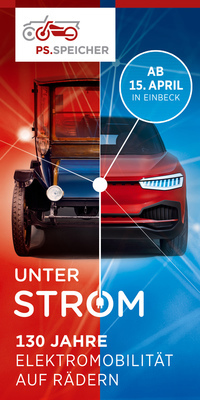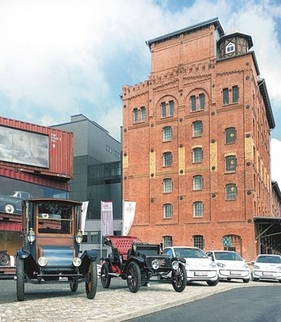
Anyone who believes that electromobility is a modern-day issue is mistaken: research and work on vehicles with electric drives has been going on for just as long as there have been combustion engines. From mid-April, a special exhibition at the PS.Speicher in Einbeck in southern Lower Saxony will provide the first complete and seamless overview of the eventful history and development of e-mobility from its beginnings 130 years ago to the present day.
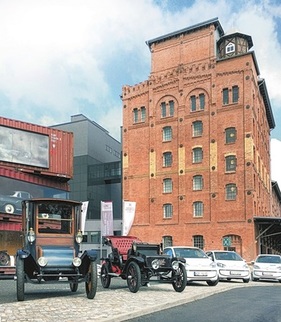
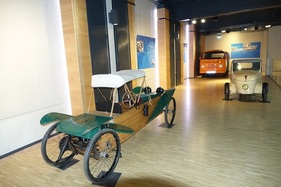
The exhibited battery-powered vehicles on two, three and four wheels show how electromobility has developed from the first experiments to variants suitable for everyday use and today's production vehicles. Over 100 years ago, electric vehicles with quite reasonable ranges were already on our roads. In the 1910s, it was still unclear whether the combustion engine or the electric motor would prevail in everyday use.
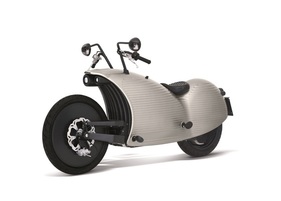
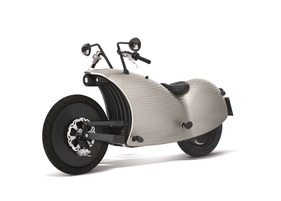
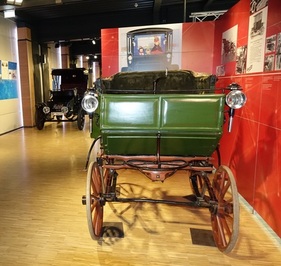
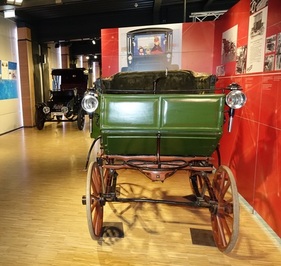
The oldest exhibit in the exhibition is the reconstruction of the Flocken electric car from 1888. There are also other treasures from the heyday of e-mobility at the beginning of the 20th century as well as interesting individual pieces and prototypes from the time when e-mobility was supposedly at a standstill for almost 70 years.
But it's not just "old iron" that can be seen at PS.Speicher. In addition to the vintage electric cars, the PS.Speicher also has a special section of the exhibition dedicated to vehicles from current series production. This also gives visitors to the exhibition the opportunity to get an up-to-date overview of what is on offer.
Numerous lectures and events in the exhibition on the subject of electromobility, which are currently in preparation, will also contribute to this.
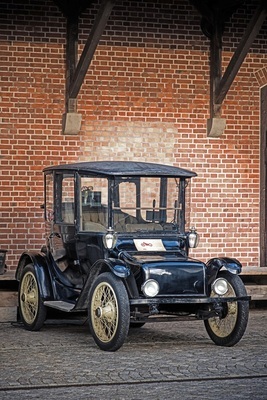
The special show at PS.Speicher takes visitors back to the days of the pioneers, when driving was still a great adventure. An era in which many manufacturers were active and offered different drive systems - from petrol cars to steam cars and electric vehicles - and were in strong competition with each other and with the tried and tested horse-drawn vehicles. Gasoline cars were started with a crank using muscle power. With the unsynchronized gearboxes of the time, this was a game of skill. Steam cars required a long preheating time and frequent refilling of water. Electric cars were comparatively easy to operate. However, the short ranges, heavy batteries and long downtimes to recharge the batteries - often longer than a day - were also considered major disadvantages of this type of drive at the time.
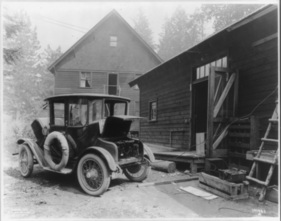
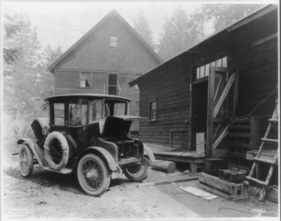
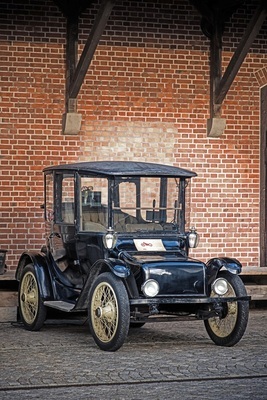
In 1912, the electric starter motor was ready for series production, indirectly putting the electric motor out of business. Now many engines could be started at the push of a button and no longer had to be cranked up laboriously. Filling station networks were expanded at a rapid pace. Once the combustion engine had established itself as a more practical form of propulsion, electric cars were rarely seen on the roads. A Detroit Electric from the PS.Speicher collection from 1915 therefore represents the last electric passenger car from the early days of the automobile that was suitable for everyday use. What is interesting about this vehicle is its individual history: it was still used as an everyday vehicle by an elderly lady on the streets of New York until the 1970s.
From the 1920s onwards, electromobility tended to be limited to the "public transport" and "commercial vehicle" sectors. A Hansa Lloyd truck from 1923 and a bread delivery van from the Wittler bread factory in Berlin as further exhibits prove that electric propulsion was not a problem for city traffic.
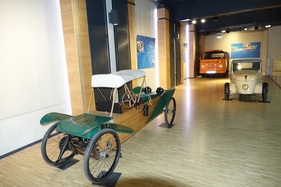
With a Streetscooter Work and current electric vehicles, PS.Speicher is building a bridge to the present. It also refers to the topic of driving in the future. Autonomous driving, networked cars and hydrogen drives are no longer dreams of the future; technical innovations are just around the corner. Even technical topics such as battery technology, sense and avoid technologies and future mobility visions, for example from Elon Musk and Richard Branson, from ZF Friedrichshafen AG and even the aviation company Airbus, are documented in an entertaining and in-depth way in the exhibition "Unter Strom".
The exhibition will be open to visitors from April 15 and is expected to run until the end of October.
Further information can be found on the website.