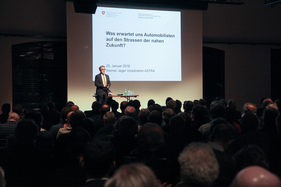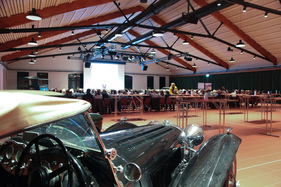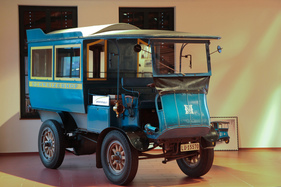
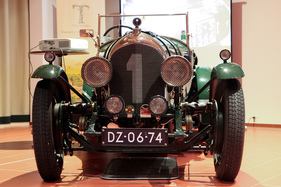
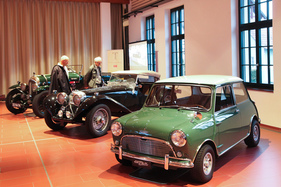
On January 25, 2018, the Jaguar Drivers' Club Switzerland held its 20th information evening in collaboration with the Swiss Car Register. The event was hosted by Emil Frey Classics in Safenwil.
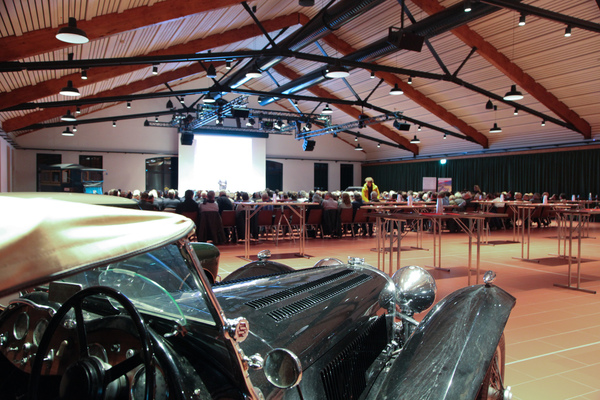
The topic was and is explosive: Classic Car Quo Vadis. After introductory words by Christian Jenny, who pointed out the conflicting objectives in the promotion and regulation of new drive and transport concepts and raised critical questions about the impact of autonomous driving on classic vehicles, Urs P. Ramseier put the explosive nature of the topic into perspective, saying that, after all, the kind of innovation spurts currently being observed had already happened before, e.g. when the "Haber engine" was replaced by the automobile.
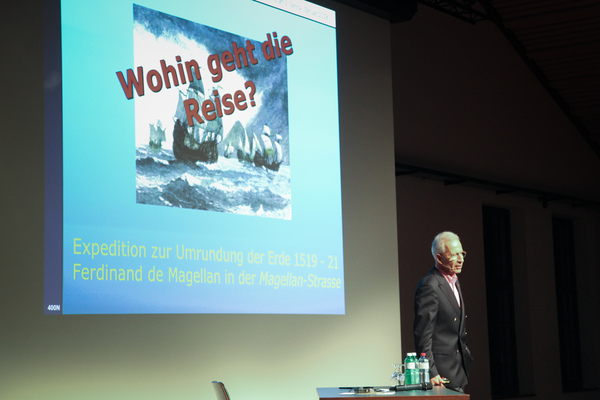
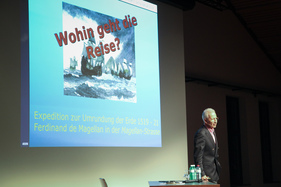
Professor Walter Brenner then took to the stage. As the author of a book on the subject of autonomous driving, which is currently in print, he was able to draw on a wealth of information. He explained why the autonomous or at least semi-autonomous car will soon be part of everyday life. Increased safety, time savings, improved ecology and greater social justice are the driving forces behind the increasing automation of road traffic. In addition, there is an enormous drop in the price of the technologies used. However, the computer technology available today is not yet capable of enabling maximum vehicle autonomy in all traffic situations, but this could be the case by 2035. Until then, and probably even further, there will be "mixed traffic", where cars without any automatic functions will still be on the roads.
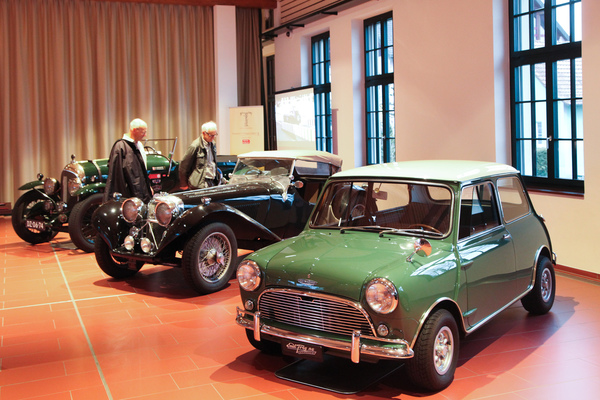
Werner Jäger, Deputy Director at the Swiss Federal Roads Office (FEDRO), skillfully picked up the ball from the previous speaker and reassured the classic car enthusiasts present with his introduction: nothing will change in terms of veteran registration. Legal, liability-specific and registration-related hurdles for autonomous cars will have to be overcome, and the self-driving car will come. But it will not replace the historic vehicle, although restrictions for old cars on main traffic arteries are of course conceivable in the future.
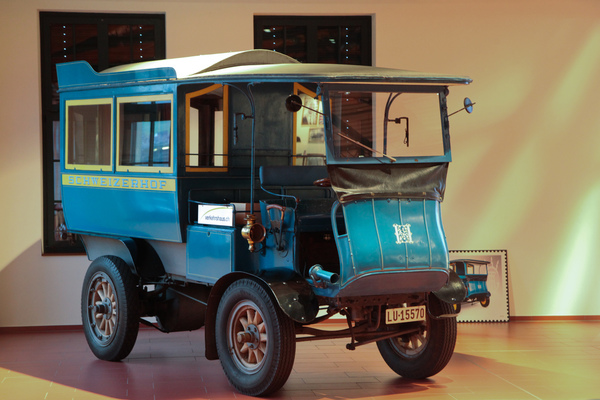
Felix Aschwanden from the SHVF then pointed out the difference between historic cars and ordinary old cars, as only the former enjoy privileges such as exemptions from driving bans and reduced traffic charges. The positive mood among the people must be maintained so that the classic car can survive.
In the end, more than 300 spectators listened intently to Jenni and Ramseier's closing words, before enjoying interesting discussions about cars and "Älpner Magronen". A successful evening!