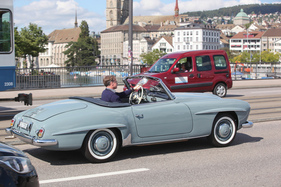
At a press conference in Frankfurt on June 26, 2025, Wolk & Nikolic presented the sixth edition of the Classic Study, which was compiled together with the VDA, VDIK, ZDK and numerous other partners from the German automotive industry and which examines the economic factor of classic and vintage cars. The study showed that these vehicles are still popular: According to the study, 82 percent of drivers in Germany are happy to see a classic car on the road (in 2023, the figure was 71 percent).
"Classic cars continue to have a positive image among the population and are also economically relevant. Classic car owners invest around 90 cents per kilometer driven in vehicle maintenance alone - excluding taxes and insurance," says study author Gerd Heinemann. The average car spends a maximum of 10 cents on maintenance. This makes classic cars a not insignificant economic factor.
The high maintenance costs are offset by a manageable mileage, which has a positive effect on the environmental balance. Due to the low average mileage of 2,500 km, the environmental impact of historic vehicles is negligible. For comparison: in Germany, a car covers an average of over 12,000 kilometers per year. The mileage of classic cars therefore accounts for only 0.6 percent of all kilometers driven.
Difficult supply of parts
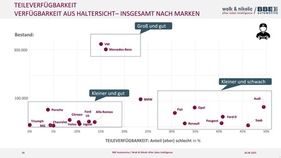
The study sees the biggest challenge for the classic car industry in the shortage of skilled workers in workshops and the availability of spare parts; in the worst case scenario, the shortage of parts will lead to some models being taken out of service. As the survey of over 2,000 vehicle owners and more than 100 workshops shows, the availability of parts varies greatly depending on the brand. While the German brands with large vehicle volumes (VW and Mercedes) perform relatively well, the remaining brands include those that were rarely criticized (such as Porsche and Ford) and others that stood out negatively (especially Audi and Saab).
A classic car rarely comes alone
The study also draws attention to another challenge facing the industry: on average, owners of classic and vintage cars are over 60 years old. However, younger fans are increasingly following suit with their cars from the 1990s and 2000s - making the community not only younger, but also more digital.
The head of the study was surprised that the historic vehicles in Germany are owned by fewer people than previously thought. There are more than 1.6 million classic cars for every 800,000 owners, with one owner owning exactly two classic cars on average. However, only 64 percent actually own more than one classic car, which means that these leisure drivers and collectors own 82 percent of the vehicles.
New classic cars on the roads
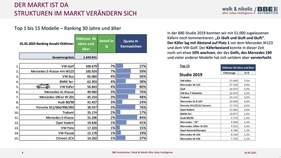
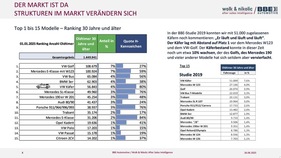
Even if the growth in the approximately 1.45 million classic cars registered last year is somewhat lower, the industry is optimistic. Managing Director Zoran Nikolic says: "The market will remain stable over the next five to seven years and is changing towards more affordable volume vehicles." This change is also reflected in the ranking of classic cars on German roads. While the Beetle was the undisputed leader in this ranking for a long time, its successor - the Golf - has now left it far behind.
Further information can be found on the study authors' website.