
Exactly 100 years ago, on April 19, 1919, the "Carrozzeria Artigliana Ugo Zagato" was founded in Greco Miilanese. Ugo specialized in the construction and repair of cars, aircraft and similar means of transport. Ten workers were employed at the time.
In January 1923, Zagato was already trading as "Societa Anonima Carrozzeria Zgaato" at Viale Brianza 10 in Milan.
In 1943, the company moved to Via Giovanni Giorgini 16 in Milan, and in 1962 its business activities were transferred to Via Area 30 in Rho (Milan). The company is still there today, but is now called Carrozzeria Zagato Spa.
The decade - aircraft construction
Ugo Zagato had started his career as an aircraft coachbuilder and this experience also had an impact on the first cars that he fitted with coachwork.
The twenties - racing cars
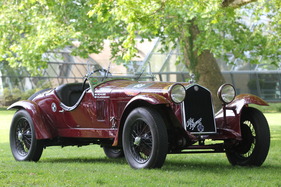
The collaboration with Alfa Romeo quickly bore fruit. The sports and racing cars, which were based on the Alfa Romeo 1500 6C and later on the 1750 6C, won the Mille Miglia and enabled drivers such as Tazio Novulari, Achille Varzi and Giuseppe Campari to achieve many racing successes.

The thirties - Aerodany cars
Ugo Zagato was one of the first to recognize the importance of aerodynamics for vehicle construction.
Early on, he began integrating the headlights into the bodywork and flattening the windshield, for example. Enzo Ferrari then had him design a number of cars for racing.
The forties - space and comfort
In the post-war years, more comfortable and clearer vehicles were in demand, and Zagato produced various sports cars that also had the talent to win races.
The fifties - Gran Turismo
The "Gran Turismo", so named by Count Lurani and journalist Giovanni Cantestrini, was created in 1949.
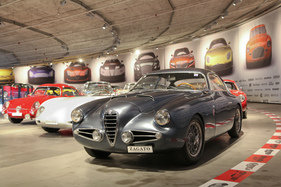
From then on, sports cars had to be suitable not only for the race track, but also for fast travel.
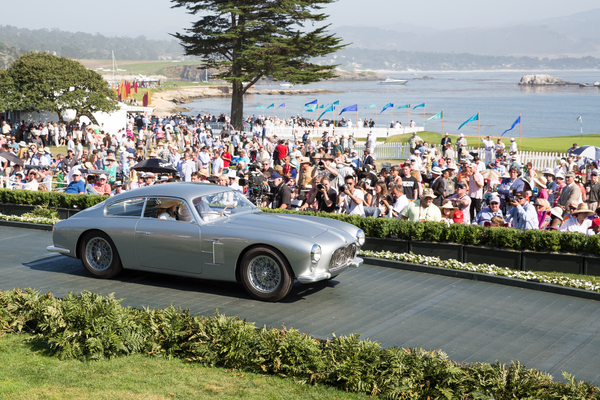
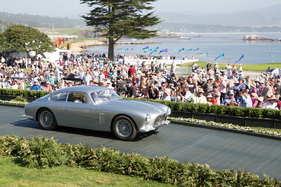
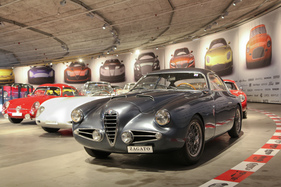
Ugo Zagato and his son Elio Zagato contributed a number of cars to this new category, such as the sports cars based on the Fiat 8V or with the chassis of the Alfa Romeo 1900. Some Porsche 356s were also fitted with Zagato bodies. The Zagato-Z could be found on many GT bodies of the fifties, not least on Lancia vehicles.
The sixties - special bodies
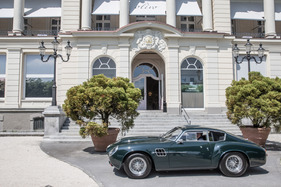
Perhaps the best-known Zagato creations today were produced in the sixties as special bodies: Fiat-Abarth 1000 zagato, Bristol 407 Z, Aston Martin DB4 GT Zagato, Lancia Appia Sport, Lancia Flaminia Sport Zagato, Alfa Romeo Giulietta SZ, etc. - they perfectly embodied the Zagato principles: lightweight construction, aerodynamics and functional lines.
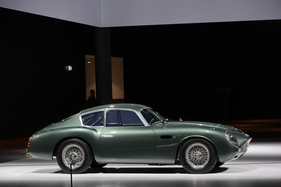
The seventies - wedge shapes
At the end of the sixties, body shapes began to become more geometric, and Zagato also changed its style. The Alfa Romeo Junior Z is a typical vehicle of that time and as many as 402 of them were produced, even if the lines were probably far ahead of their time.
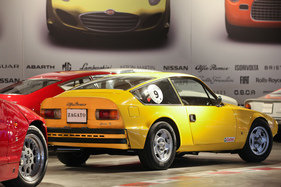
Many other studies and special bodies were created, most of which were wedge-shaped and not always to everyone's liking.
The eighties - CAD
The role of Zagato had already changed in the seventies, but the "Z" was still in demand. New technologies had been introduced and cooperation with vehicle manufacturers was much closer.
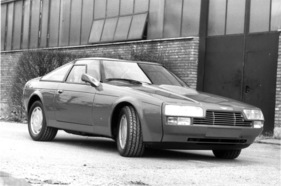
This resulted in the open version of the Maserati Biturbo, the Alfa Romeo S.Z. (and also the R.Z.), Zagato versions of the Aston Martin V8 Vantage and the Maserati Karif.

The nineties - CAM
The computer evolved from a design assistant (Computer Aided Design) to a manufacturing assistant (Computer Aided Manufacturing) and the role of Zagato also changed again.
Many show cars were created in the 1990s, such as two Ferrari creations based on the 348 and Testarossa, the Lamborghini Raptor (1996) and the Fiat Ecobasic (2000).
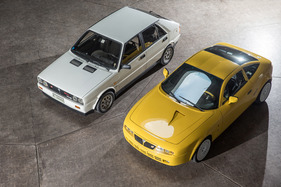
The modern era - neoclassics and new icons
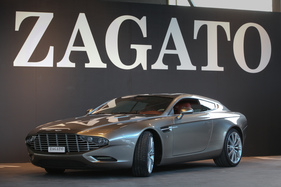
In the last two decades, Zagato (now managed by Andrea Zagato) has also been able to collaborate with well-known manufacturers and present many interesting vehicles, some of which were also built in series: Aston Martin DB7 Zagato, Alfa Romeo TZ3, BMW Zagato (Z4-based), Lamborghini 5-95, through to the Aston Martin Vanquish Shooing Brake, presented at the Concours Chantilly Arts & Elégance. The Zagato IsoRivolta was also on show at Grand Basel.
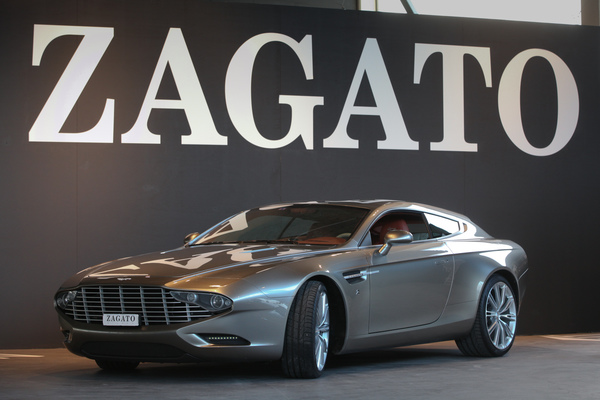
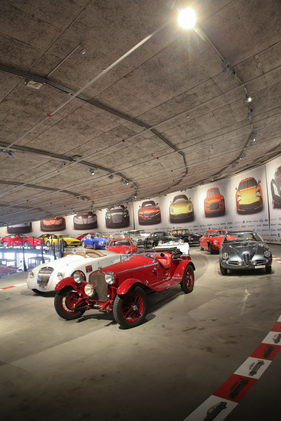
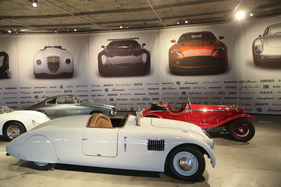
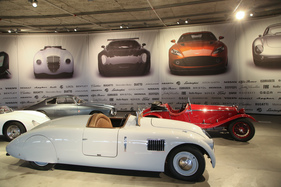
Many of the creations from the Zagato family were also shown at a special exhibition at the Pantheon Basel in 2016.
An overview of all the car creations, including silhouettes of the cars, can be found on the Zagato website.