So that getting into a classic car does not become a fiasco


You have only
1 out of 16
images seen in high resolution




Summary
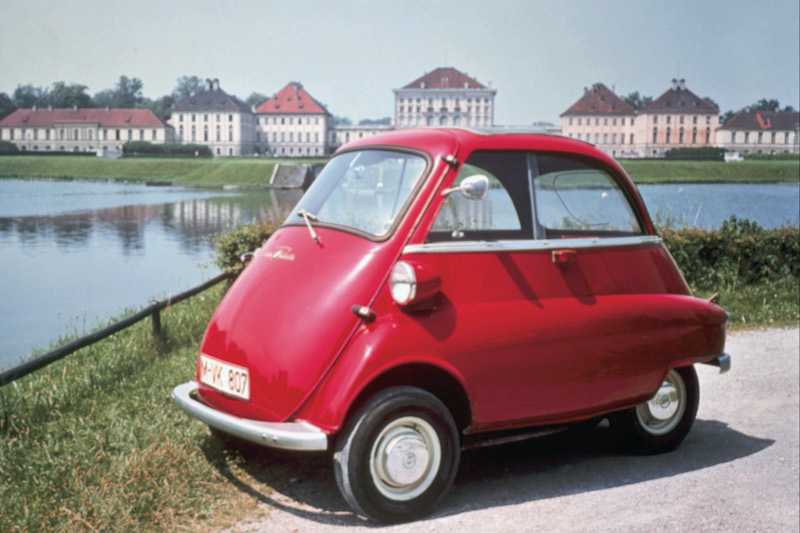
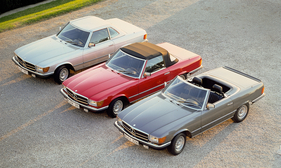
In the spring, the desire to buy a classic car is rekindled in many people. However, a classic car is not the same as a second-hand car in mint condition and appropriate caution and foresight is recommended. This introductory article explains what to consider when buying a classic car and how to avoid costly mistakes. The report is illustrated and supplemented with popular entry-level classic cars.
This article contains the following chapters
- Balancing needs and general conditions
- Obtain comprehensive information
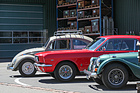
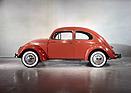
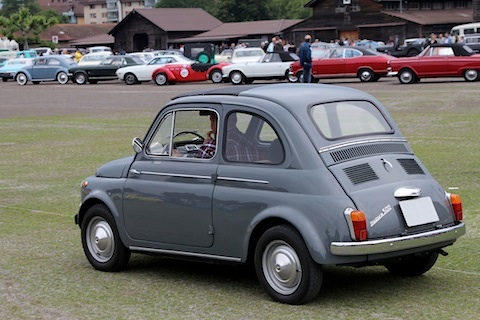
- Typical entry-level vintage cars
- Buying a classic car is a purchase of trust
- Don't plan too tightly
- Acclimatize extensively
- Alternative youngtimers
- Recommendations for further reading and getting started
Estimated reading time: 7min
Preview (beginning of the article)
Spring is here, and many people are now keen to buy a classic car again. But what should you bear in mind? As the days get longer and the temperatures rise, many car enthusiasts start to think about buying a classic car. Whether they are inspired by the classic design, the wonderful sounds or their own (back seat) memories of an old car, the reasons and driving forces are numerous. A few simple basic rules should be observed to ensure that the classic car adventure does not turn into a fiasco. The first step is to analyze your needs and the general conditions. What will the classic car be used for and how often? Should it even be used as an everyday car? How many people should there be room for? How large should the luggage capacity be? Is the classic car primarily to be shown at club meetings or is participation in motor sport events or regularity rallies planned?
Continue reading this article for free?
Images of this article