The renaissance of the long tail











































You have only
2 out of 41
images seen in high resolution
Summary
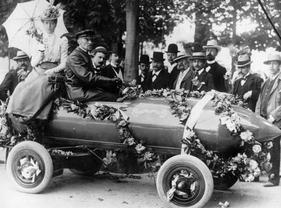
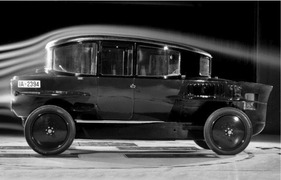
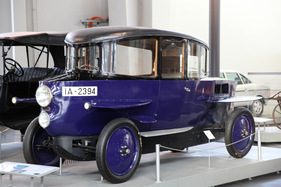
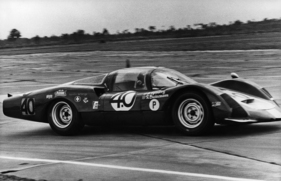
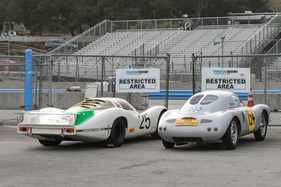
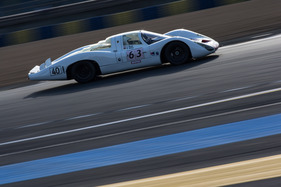
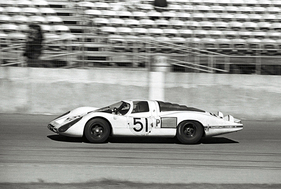
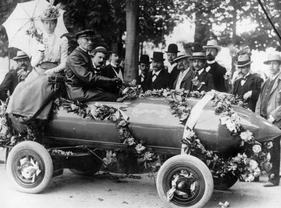
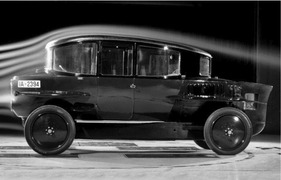
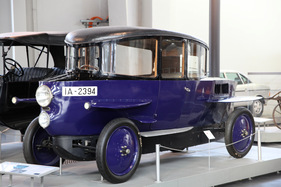
In 2015, Mercedes-Benz presented an aerodynamic study with a boat-tail rear end, citing predecessors that date back almost to the early days of automotive engineering. By means of a brief excursion into the laws of aerodynamics and a historical review, this article shows why Mercedes chose this path and what can be implemented better today than 50 or 100 years ago.
This article contains the following chapters
- Technical literature used:
Estimated reading time: 4min
Preview (beginning of the article)
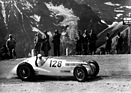
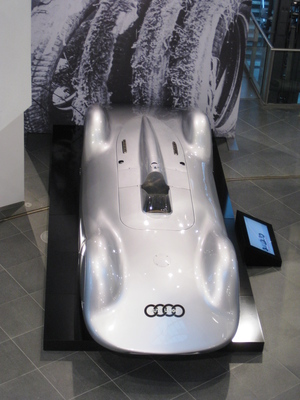
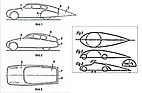
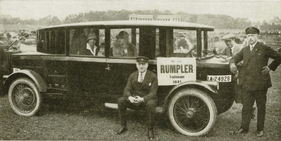
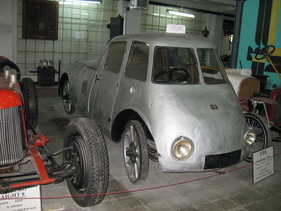
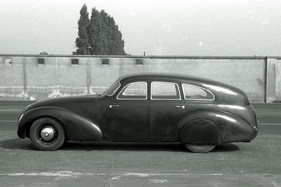
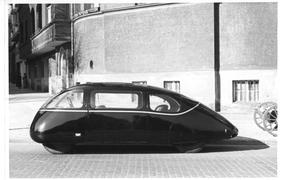
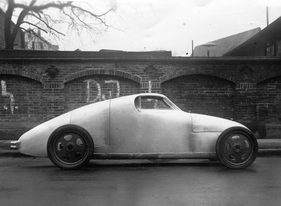
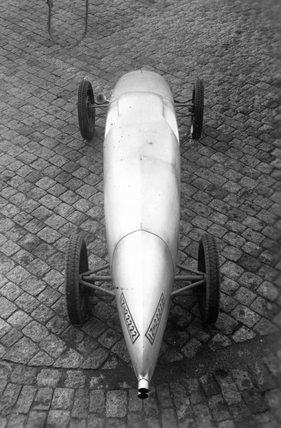
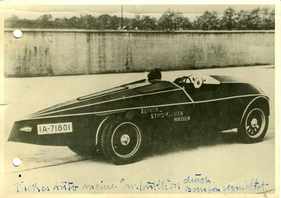
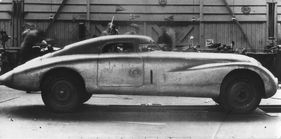
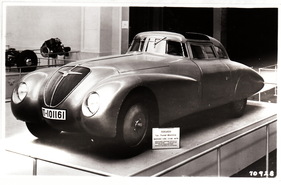
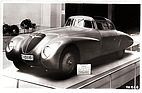
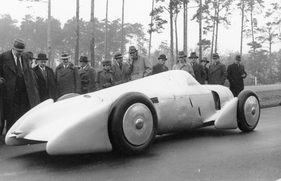
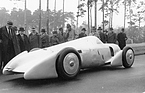
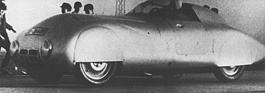
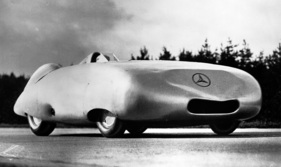
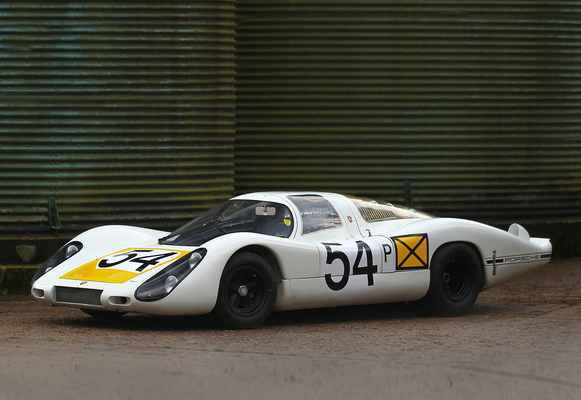
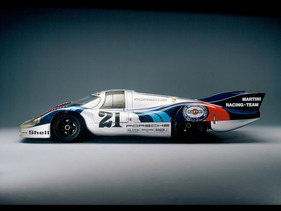
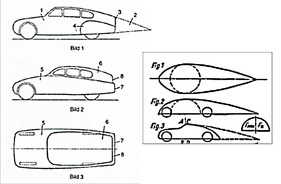
It was Baron Reinhard Koenig-Fachsenfeld and Wunibald Kamm, head of the FKFS (Research Institute for Automotive Engineering and Vehicle Engines Stuttgart), who independently and more or less simultaneously discovered at the beginning of the 1930s that "it is not important to make the body completely pointed at the rear, but rather that it has the smallest possible cross-section at the point where the flow separates, and that gentle tapering is applied up to this point." (Source: Wunibald Kamm "Das Kraftfahrzeug", 1936) The requirements for an aerodynamically optimized rear design, which are somewhat awkwardly formulated for our modern ears, have been implemented in an almost literal sense in the Mercedes-Benz concept study shown at the IAA in 2015. The vehicle body "tapers" towards the rear, i.e. the body becomes narrower and slopes downwards from the center of the body towards the rear. So much so that the roof had to be given two small bulges (double bubble) for the rear passengers.
Continue reading this article for free?
Images of this article