Pneumatic explosions and broken axles: the race from Paris to Vienna in 1902


You have only
1 out of 6
images seen in high resolution
Summary
The 1500 km race from Paris to Vienna in 1902 demonstrated impressively that race victories did not necessarily depend on absolute engine power and achievable speeds, but also on reliability. The lighter cars beat the larger cars despite their weaker engines. A milestone!
This article contains the following chapters
- Reliability before engine power
- When the defect devil strikes
Estimated reading time: 4min
Preview (beginning of the article)
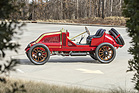
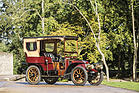
In 1902, the 1500-kilometre race from the Seine metropolis to the city of Waltz proved to be full of obstacles and pitfalls.Broken frames, broken springs, seized clutches and countless pneumatic explosions made the journey an ordeal. This was the first time that the superiority of the lightweight Voiturettes over the horsepower cars became apparent. Charles Jarrot, himself the driver of a 70 hp Panhard, recorded his impressions of this marathon: "The Paris-Vienna race is etched in my memory with embarrassing memories, so that I would prefer to pass over it; but in view of the fact that it was won by a light car, it is worth mentioning, because for the first time the big cars were beaten by a vehicle of lighter construction with a less powerful engine."
Continue reading this article for free?
Images of this article