





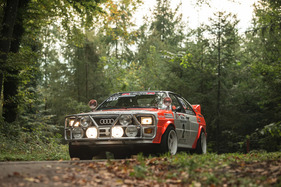

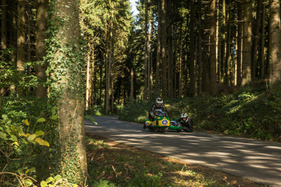










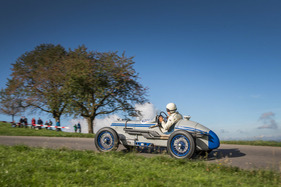
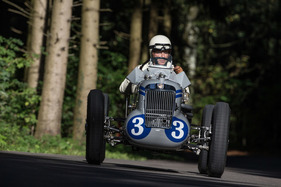

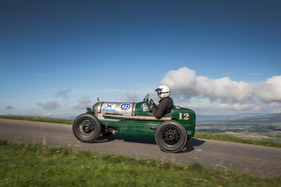

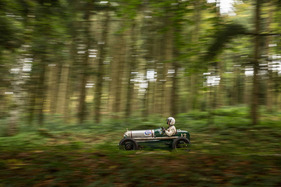

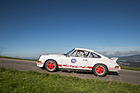

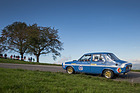

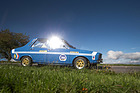














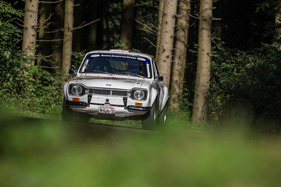
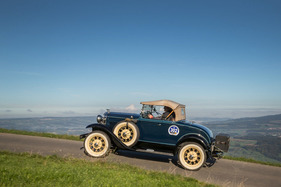
On the weekend of October 7 and 8, 2017, the fifth edition of the commemorative Michaelskreuzrennen took place in Root in the canton of Lucerne. Today, there are hardly any contemporary witnesses to the six hill climb races held between 1923 and 1933.
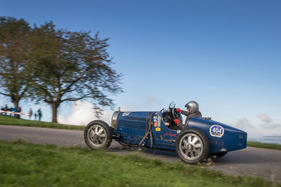
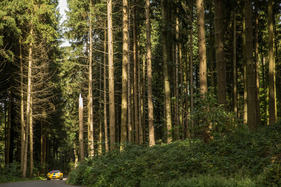
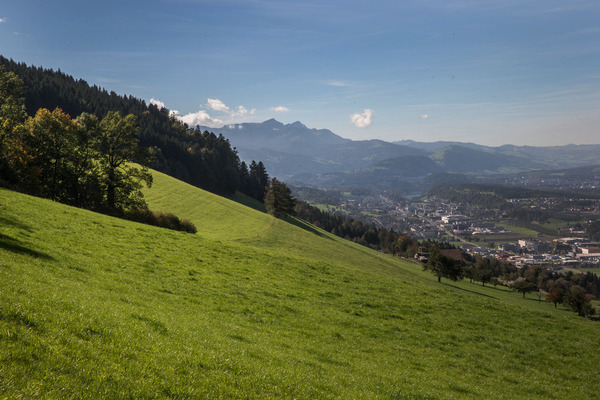
As in the past, the challenging route of the commemorative race led from the start in Root at 440 meters above sea level over 3.42 km through eight hairpin bends to an altitude of 745 meters above sea level.
Better weather than expected
Against all expectations, the weather on Saturday was at its very best. Fantastic fall weather with mild temperatures brought a lot of joy to the riders and the numerous helpers. The numerous fans enjoyed the balmy fall day in the garden restaurant with pumpkin cream soup and other autumnal delicacies.

Wet weather was expected for Sunday, but for once the weather prophets were wrong and only the first run had to be run on a damp track. Both runs in the afternoon could be run in dry conditions. Only the treacherous "forest bend" remained wet and slippery.
Long rope to the rescue
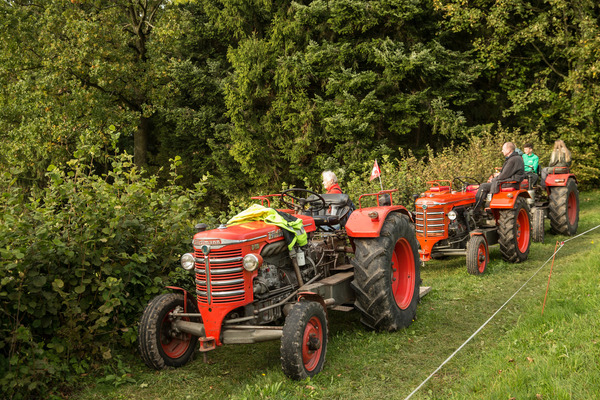
There were only a few interruptions to the program due to slipping or stalled vehicles. In the event of driving errors, cars rarely came to a standstill on the road on this route anyway; they usually ended up in the adjacent meadow, where they then had to be rescued with a tractor and a rope at least 50 m long (according to a radio message from the marshals).
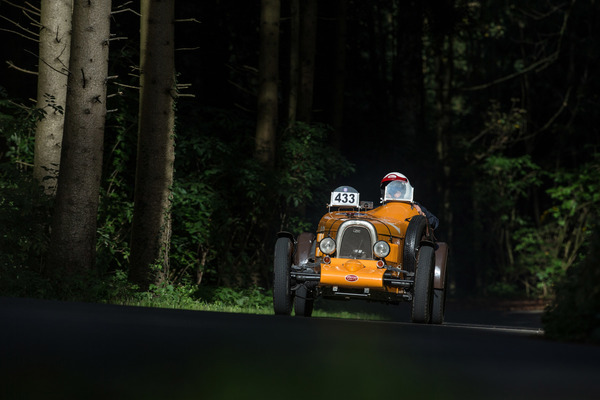
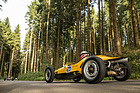
The track is challenging and very varied, and is a lot of fun even in racing cars that are not really fast. The Aero A30 Special with its 40 hp was also a big crowd favorite. The sound of the front-wheel drive two-stroke engine was so infernal, even from a distance, that the spectators were expecting a top-class and extremely fast racing car.
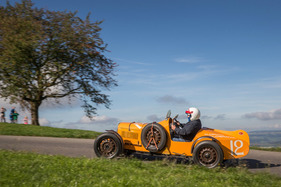
Nothing came for a long time, until finally the orange Aero appeared. It passed the enthusiastic spectators comfortably but loudly. Unfortunately, it was the victim of an engine fire, which paralyzed it so that it could not take part in all the races.
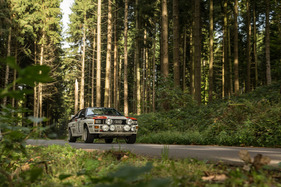
Fire was an issue anyway. While waiting for the return, a loud voice suddenly pierced the cozy atmosphere: "A fire extinguisher, who has a fire extinguisher?" Smoke billowed out of the AFF hood vents. As soon as it was opened, the fire was already blazing around the Weber carburetor battery. The fire extinguisher was not needed after all, as a helpful "blower" quickly extinguished the fire.
Race premiere
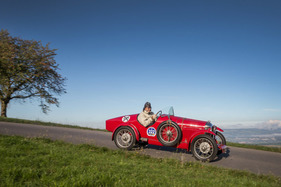
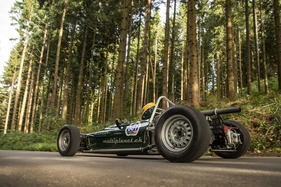
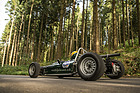
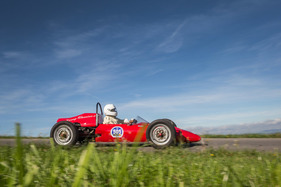
For the first time, one of the ten MG R-Types built, the only monoposto from the English sports car manufacturer, was used by its new owner. It was a technically highly interesting car, but ultimately failed to live up to expectations in Abbington. From today's perspective, however, this car is an absolute feast for the eyes.
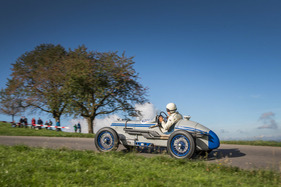
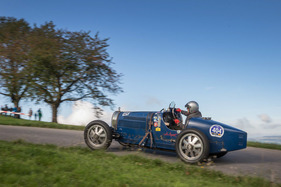
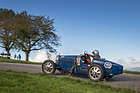
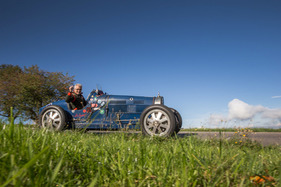
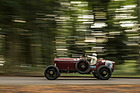
In general, the pre-war field was well equipped, with five MGs and a Bugatti with supercharging at the start. Another pre-war car that deserves a mention is the 1926 Morris Cowley Single Seater with a four-cylinder 1800cc engine delivering 40 hp to the rear axle.
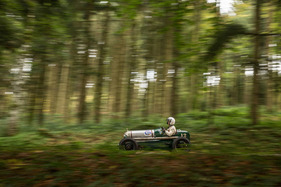
The car is so small and narrow that you get the feeling that the driver has to pull it over. As was customary at the time, gears are shifted between the legs, but you have to reach between the spokes of the steering wheel, which understandably only makes sense when driving straight ahead.
Contrasts
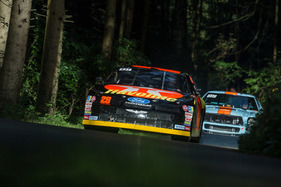
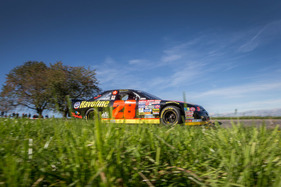
The situation is completely different to the Morris in a car that is normally hardly shifted for hours on end. The Ford Thunderbird NASCAR is actually at home on the oval. The gearbox is only used during pit stops. This mighty American has little to no place on the mountain. Its brute force of 500 hp could not really be put to use and the normally low steering angle had to be helped a little in order to be able to negotiate the tight bends at all.
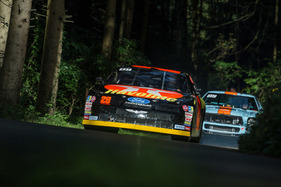
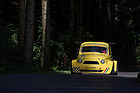
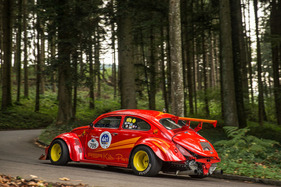
In contrast, the small Fiat 500 Proto 2, equipped with a high-revving Honda CBR 1000 cc motorcycle engine with 160 hp, could be moved much more elegantly through the tight bends.
Motorcycles too, of course
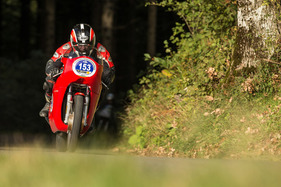
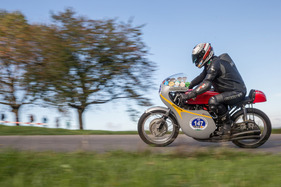
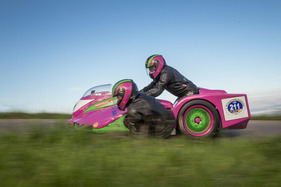
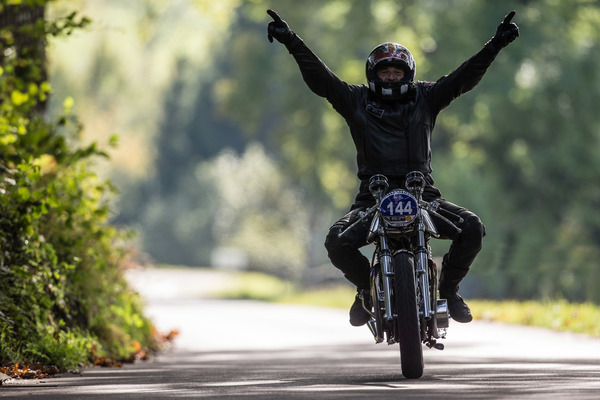
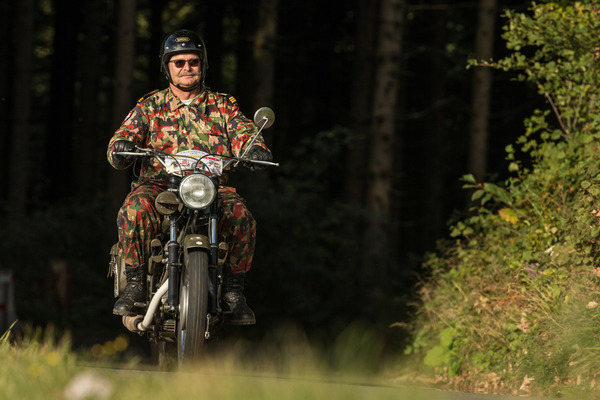
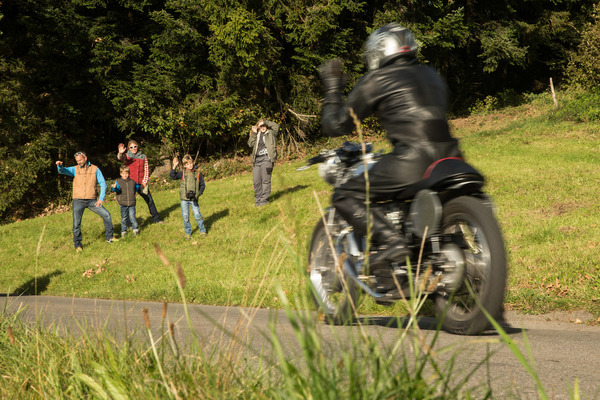
The well over 100 motorcycles should not be forgotten this time either.
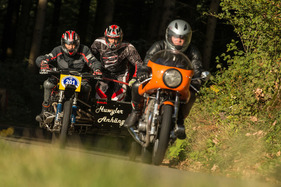
The two-wheeler fraction may not be the focus of zwischengas reporting, but they are the ones that always impress the public.
A complete success
Overall, the fifth edition was also a complete success. Many fans showed great interest in the historic vehicles, especially on Saturday afternoon.

The culinary offerings left nothing to be desired and the organization worked flawlessly and like clockwork. So we can certainly look forward to the sixth event in three years' time and hope that the weather will once again be kind to the event.