Unusual model history - what remains is the Studebaker Avanti


You have only
1 out of 17
images seen in high resolution



Summary
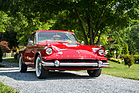
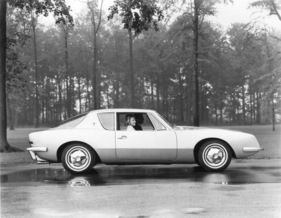
On December 10, 1963, Studebaker ceased to build cars in the USA. The company had been more or less successful since 1904, but the deteriorating management towards the end was no longer able to avert bankruptcy. The factory's last model was the Avanti; it was launched by the then Studebaker president Sherwood Egbert and star designer Raymond Loewy. This article looks back at the history of the unique Studebaker Avanti and shows photos and sales brochure documents from the time.
This article contains the following chapters
- Sherwood Egbert is "fetched"
- Plastic has advantages and disadvantages
- Lark convertible chassis
- At the 1962 New York Auto Show
- Two American speed records to boost sales
- Towards the end
- Four non-stop trips Los Angeles-New York
- Then the Avanti II
- 100 cars, 100 employees
- Second change of manufacturer
Estimated reading time: 15min
Preview (beginning of the article)
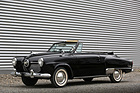
On December 10, 1963, Studebaker ceased to build cars in the USA. The company had been more or less successful since 1904, but the deteriorating management towards the end was no longer able to avert bankruptcy. The factory's last model was the Avanti; it was launched by the then Studebaker president Sherwood Egbert and the star designer Raymond Loewy. Loewy had already helped Studebaker out of a tight spot several times. During the war, the company had earned a lot of money from army contracts and could finally consider itself "financially sound" again, which had not always been the case. The first post-war car was built on October 5, 1945; and even though it was a 1942 model, Loewy's studios were already hard at work on a truly new car. As early as April 1946, the new car was presented to the world as the 1947 model. For its time, it was truly something groundbreaking. Virgil Exner, a designer from the Loewy studios, had designed this first genuine post-war car in such a modern style that it took some getting used to. Nevertheless, the car sold surprisingly well, apparently mainly because the competition still had to struggle with old designs.
Continue reading this article for free?
Images of this article