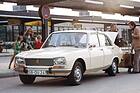
Unequal siblings - Peugeot 504 in (historical) test


You have only
1 out of 24
images seen in high resolution


Summary
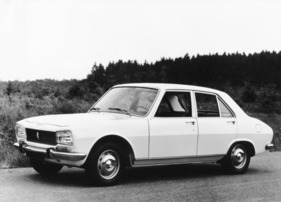
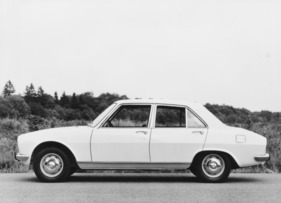
For the 1971 model year, Peugeot added almost 200 cubic centimeters of displacement to the 504. This made it a far more attractive proposition in the competitive field of two-liter saloons - at least in part. While the injection engine benefited from more temperament with the same fuel consumption, the carburetor engine was the exact opposite. This historical test report lists the advantages and disadvantages of the individual engines and compares the Peugeot 504 with its competitors.
This article contains the following chapters
- Unchanged prices
- Cheaper in price comparison
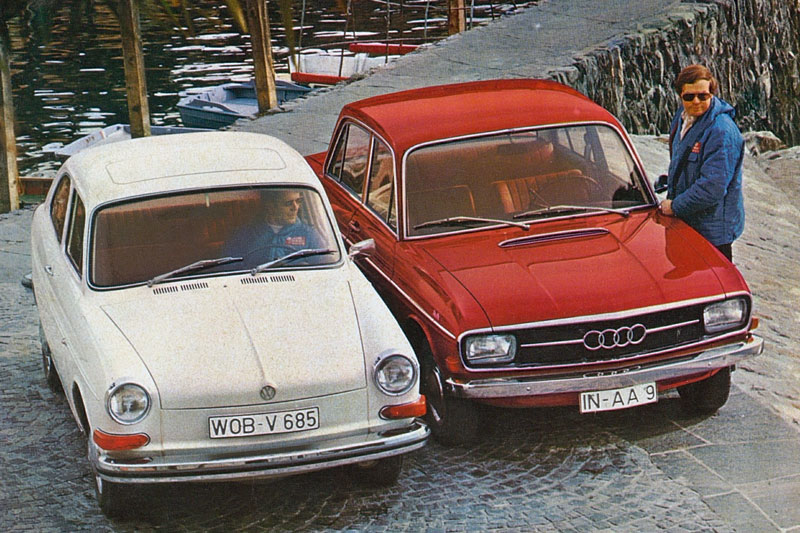
- Comparison with the Audi 100
- Comparison with the Mercedes
- 504 V or 504 E?
- mot overall verdict
- Plus points
- Minus points
- Correct shifting
Estimated reading time: 14min
Preview (beginning of the article)
A large engine capacity in relation to car size is still in short supply in French cars. The French car buyer often still thinks in rigid tax-horsepower classes and associates high engine capacity with high fuel consumption, which, given the high fuel prices in France, is the biggest obstacle to selling small and mid-range cars that are not recognized as being economical. Given these conditions in its home country, it was quite astonishing that the Peugeot 504 was given a displacement of 2000 instead of 1800 cc (1971 instead of 1796 cc to be precise) from September 1970. The larger engine was not offered as an option for the French market either, but as standard.
Continue reading this article for free?
Images of this article