Reliability in a pretty dress - Opel Manta A in the (historic) test


You have only
1 out of 25
images seen in high resolution




Summary
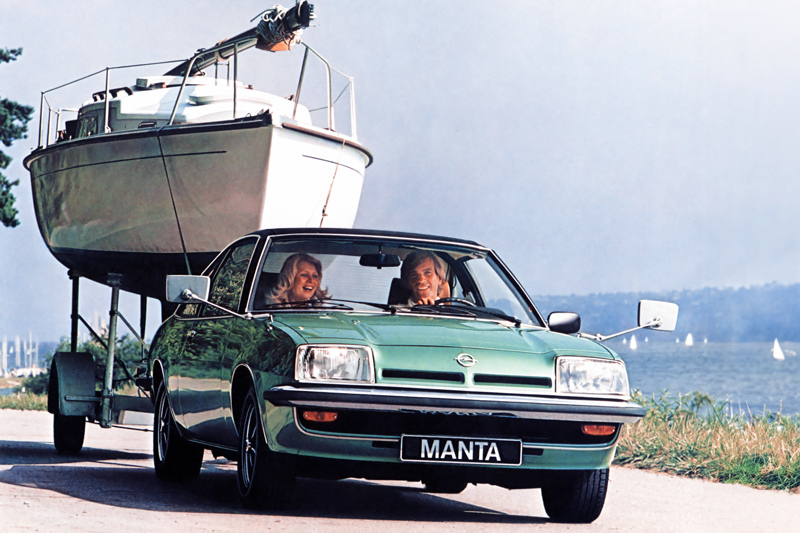
In contrast to the Ford Capri, the Opel Manta was not a design sensation at its debut that turned the heads of passers-by by the dozen. Its beauty was more of the inconspicuous variety, which suited the down-to-earth Opel technology very well. Despite its looks, the Manta was not a sports car. Instead, it scored points for its refinement, driving safety and excellent workmanship, as you can read in this historical test report.
This article contains the following chapters
- Shape
- Space, luggage
- Getting in/out
- Equipment
- Operation
- Everyday driving
- Long-distance driving
- Tires
- Brakes, safety
- Heating, ventilation
- Noise
- Workmanship
- Maintenance
- Spare parts
- mot overall verdict
- Plus points
- Minus points
Estimated reading time: 17min
Preview (beginning of the article)
It is built in Bochum, alongside the Kadett and Ascona. With its own bodywork and name, it was to be a model in its own right. Especially against the Ford Capri. We discuss the 1600, 1600 S and 1900 S versions; we will soon be testing the 1900 SR Rally Manta as part of a four-way test. Opel style in elegant form, a beautiful car, fashionable and yet appropriate. Only Fiat used to be able to do this, and the Manta is just right for the 850 Sport. But we noticed that the Manta, as a new model on the road, was nowhere near as well regarded as the Capri in its day and the Taunus now. The Manta was beautiful, almost too beautiful, we wrote in the first report. A ladies' coupé, some people said when they looked at it. It looks smaller than it is and was often mistaken for a Kadett coupé.
Continue reading this article for free?
Images of this article