Opel Manta GT/E in (historical) test - Powerhouse with fuel injection


You have only
1 out of 17
images seen in high resolution
Summary
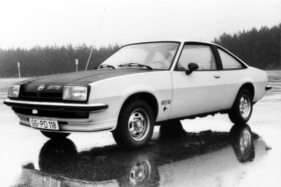
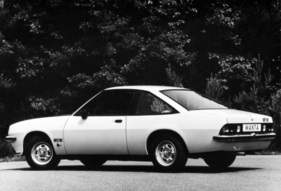
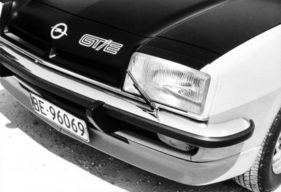
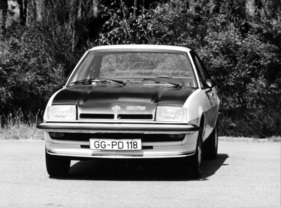
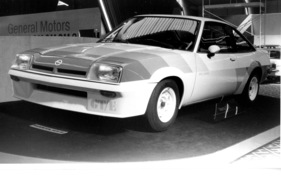
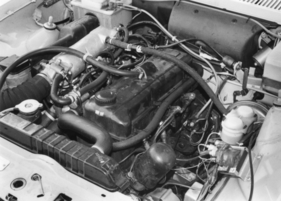
Every sixth Opel Manta sold in Germany in 1976 was a GT/E. No wonder, as it could compete with the BMW 320, which cost 2000 marks more. However, the Opel injection engine should not only be seen from a sporting perspective, as it was also suitable for everyday driving. This test report from 1976 explains why.
This article contains the following chapters
- Top seller with American influence
- Sporty and refined thanks to fuel injection
- Fast and economical
- Meagre standard equipment for the price
- Good space, low payload
- What else there is to say
- Plus points
- Minus points
- Overall mot verdict
- Technical data & measured values
Estimated reading time: 11min
Preview (beginning of the article)
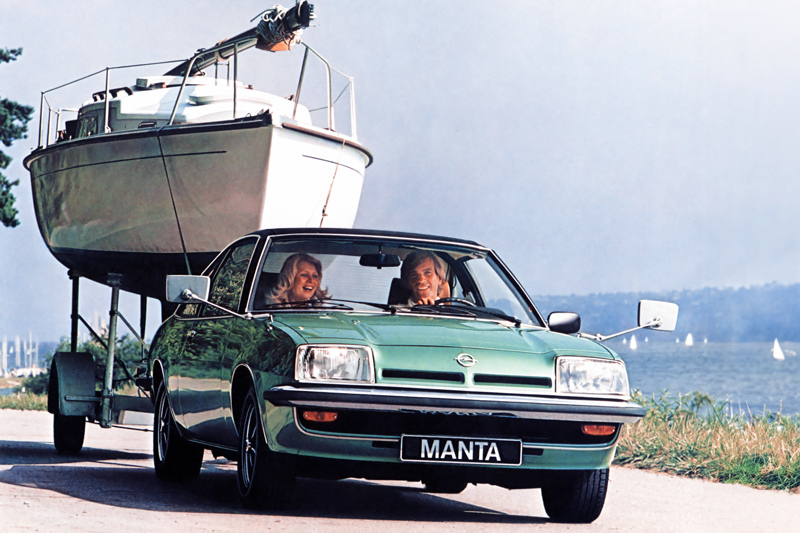
The new Manta model from fall 1975 became an even bigger sales hit than its predecessor, which was five years older. No coupé was more popular on the German market than the "Beau from Rüsselsheim" - and rightly so? American style influences apparently drive up the sales figures of coupés longer and faster than those of saloons. The first and best proof of this was the million-selling success of the Ford Capri from 1969, which with its Mustang characteristics - long hood, short rear - forced Opel to follow suit from the fall of 1970. The first independent Opel coupé without any sheet metal similarities to the Ascona saloon, which arrived two months later, sold well, especially in the first two years. Nevertheless, it became apparent in mid-1973 that coupé buyers were demanding and willing to pay for greater body differences. Opel responded to this demand in the fall of 1975 with the second Manta version, which - with the same mechanicals as the refreshed Ascona sedan - soon became the best-selling coupé on the German market.
Continue reading this article for free?
Images of this article