Abraham's lap - Humber Super Snipe in (historical) test


You have only
1 out of 16
images seen in high resolution


Summary
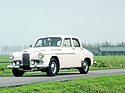
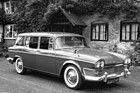
With the Humber Super Snipe, the Rootes Group built a splendid saloon that did not chum itself up with extravagant styling, but offered plenty of quality and comfort in the spirit of British "understatement" without being particularly expensive or sophisticated. Only in the top speed tests did the voluminous Briton prove surprisingly sensitive. This article reproduces an original test report from 1960 and shows the Humber Super Snipe in historical pictures and sales material.
This article contains the following chapters
- Noiseless and vibration-free engine
- Comfort and equipment
- On the road
- The brakes are up to the speed
- Fuel and oil
- Suspension
- Finish and value
- Test results and technical data
Estimated reading time: 13min
Preview (beginning of the article)
Humber is one of the oldest automobile brands in England and enjoys a considerable reputation, particularly for its representative cars. During the war, the factory built those robust and powerful "staff cars", based on the 4.2-liter saloon, which have become almost as well-known as the American Jeep or the VW Kübelwagen. The 1961 Humber "Super Snipe" has little more in common with these forefathers than its robustness and certain chassis elements, which were developed from the wealth of experience gained in previous years. The Super Snipe is undoubtedly a representative car, but by no means a pure chauffeur-driven car. It differs considerably from its competitors in its price class in many respects - and not to its detriment. Beneath the conservative but attractive guise of its four-door, self-supporting bodywork, its design progressiveness is concealed in the typical manner familiar from the "understatements" so popular in its homeland.
Continue reading this article for free?
Images of this article