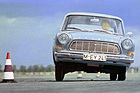
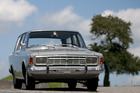
Ford 17 M TS in (historical) test - Ratio on wheels?


You have only
1 out of 31
images seen in high resolution
Summary
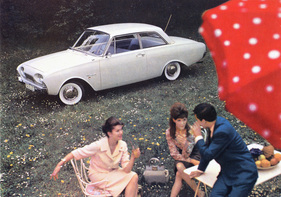
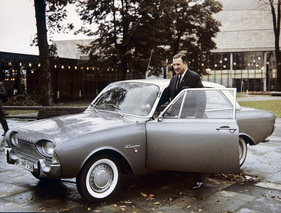
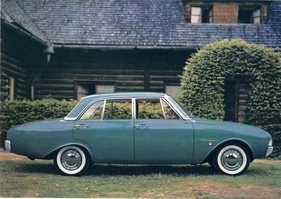
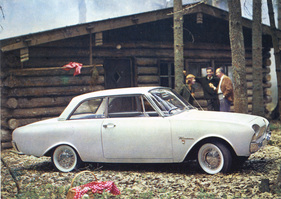
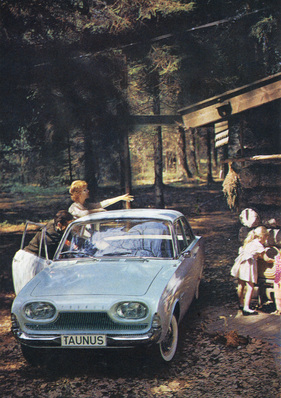
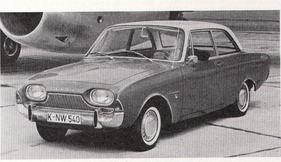
In the years following the Second World War, the course of time seems to have accelerated dramatically. The global economy picked up so much speed and the needs of the increasingly affluent clientele expanded so quickly that the German Ford-Werke GmbH launched three generations of the Taunus within just under a decade, which differed greatly, especially in terms of their appearance. The third edition had a sober, businesslike elegance and offered some comfort. However, technical progress lagged slightly behind... The original test report from 1963 and historical images are intended to give you a better understanding of the Ford 17 M TS at the time.
This article contains the following chapters
- Evolution without R
- Budget-friendly design
- If the whole bathtub spills...
- Effortless handling and steering
- Beauty and its weaknesses
- A plus in safety and comfort
- The engine wants to run, not stroll
- Technical data and test results
Estimated reading time: 19min
Preview (beginning of the article)
"17 M the Second" is now three years old, and this time has passed without a trace. It has survived one of the most productive periods in automotive engineering with a few improvements to details. It could afford to remain "the old one" and still be young, modern and popular to this day. The 17 M is still "the beautiful car" that brought the factory so many new customers and changed the situation on the mid-size market so thoroughly. Measured against the enduring success of other car bodies, the period may be short. But in the mid-size class, where the public's need for representation is more important, that is saying something, especially as this class is subject to the greatest change in design.
Continue reading this article for free?
Images of this article