Urban areas with large crowds of people brought bicycles, motorcycles and cars into the cities early on. Parking lots and later parking garages, light signals and traffic signs, 30 km/h zones and driving bans were created.

Traffic increased more and more and today we have reached the point where we want to ban cars from city centers again and are removing the parking spaces that were created. Park and ride is the motto today, or public transport is being promoted. Traffic jams form around cities every day and a sensible traffic strategy is becoming increasingly difficult.
Traffic development over 190 years
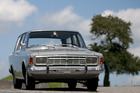
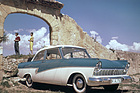
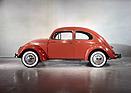
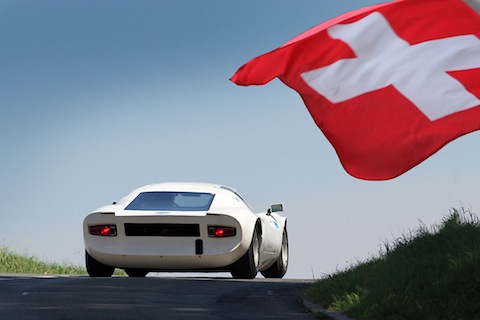
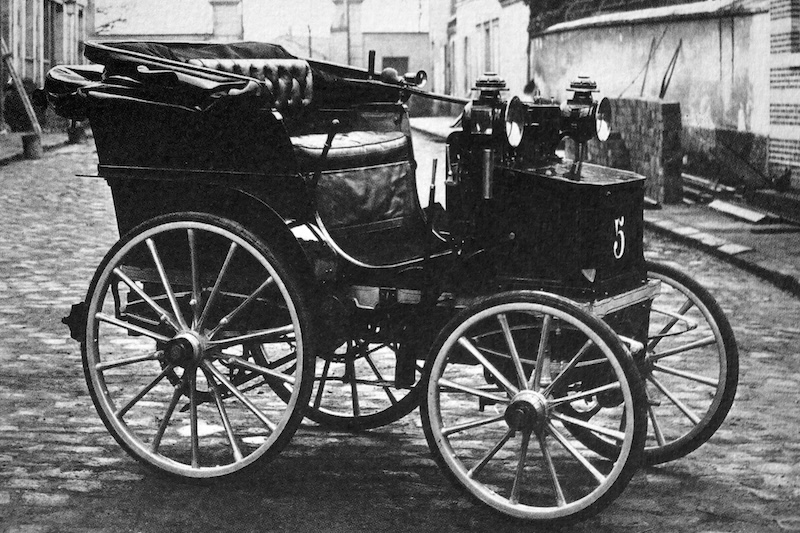
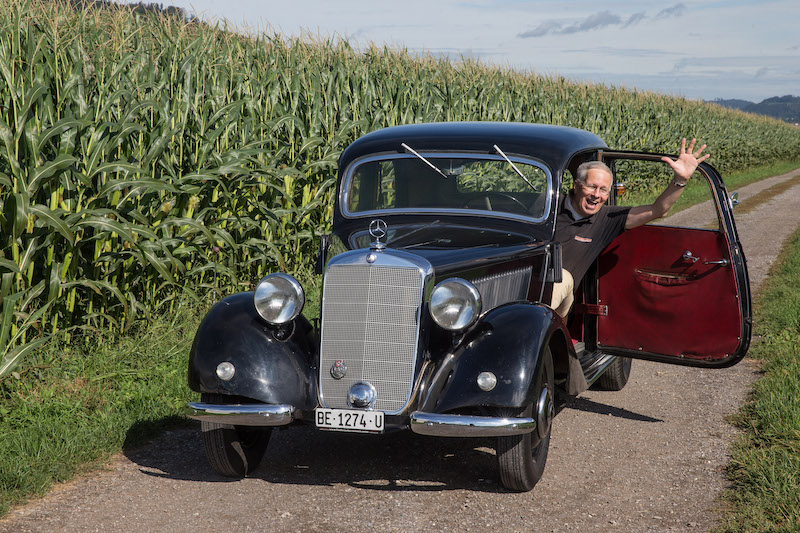
The new exhibition at the Pantheon in Muttenz illustrates these developments using the example of the city of Basel from 1833 to 2022. From horse-drawn carriages to bicycles of all kinds, motorcycles and electric cars, all the vehicles used in private transport over the past two centuries can be admired.

The exhibits are complemented by old film material, many documents and pictures from the city and police archives. Old bicycle and car license plates show their development and changes. A document from the Basel-Stadt State Archives from 1898 documents the first automobile owners.
Even the various road surfaces from the 15th century to 1910 are shown using impressive model examples.

Various petrol pumps and coin-operated machines for parking fees provide a glimpse of times gone by, when many things were still mechanical and not digitized. Memories come flooding back when the policeman guides road users along the right path almost like a priest leading his flock from the pulpit.
A moment of reflection
Today, we move through the huge system of road traffic every day without a second thought. Always and everywhere under surveillance and constantly with one foot in prison. As a result of accidents, environmental damage and minor and major tragedies, one law after another has been passed and we are now being forced into the correct lanes completely independently of common sense.

This exhibition shows when and how all the interlocking elements were created, invented, tested and also introduced in Basel: traffic signals, pedestrian crossings, cycle paths, freeways, petrol stations (stores), garages, multi-storey parking lots, parking machines, blue zones, motor vehicle inspection, driving tests and passes, breakdown services, accidents, third party and fully comprehensive insurance, cycle helmets, speed limits, vehicle taxes, license plates, vignettes, winter and summer tires, navigation systems, dashcams, etc..., They all show how mobility has changed over the course of 100 years.

According to historical sources, people have been complaining since the 19th century about the increasing traffic density, noise and stench, but also about constantly increasing regulations. On the other hand, the "auto-mobile", i.e. driving by hand at speed, was and still is enormously fascinating. Private transport is a prerequisite and consequence of a flourishing economy, is seen as a sign of prosperity and appears to many as the epitome of freedom.
Entertaining and educational for the whole family
The traffic stories are told in such a way that there is something of interest for grandparents, parents, children and schoolchildren. But there is also something for vehicle and city nostalgics or motorization critics. For example, they can find out that Basel was once a Swiss pioneer city for cycle paths, namely between 1928 and 1946 - at that time due to the combined pressure of the car and bicycle associations, because it was believed that the constantly increasing number of accidents could be reduced by separate lanes. It was not until the economic boom of the 1950s and 1960s that Basel planned the car-friendly city, but thankfully never fully realized it.

The exhibition is designed to make people smile and reflect, while offering a historical retrospective.
The special exhibition "Unterwegs auf eigenen Rädern - Basler Verkehrsgeschichte(n) 1833-2022" is open to the public from now until October 16, 2022.
Further information (including opening times and admission prices) can be found on the Pantheon Basel website.