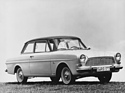
Ford 12 M (historical test) - Pack mule with charm


You have only
1 out of 12
images seen in high resolution


Summary
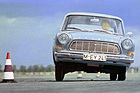
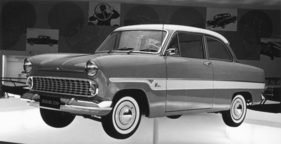
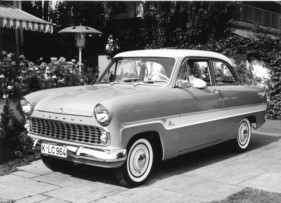
It was not a sports car, but a real workhorse. This was the verdict of the test drivers in 1960 after their trials with Ford 12M models with the head-controlled 1.5-liter engine in combination with a three- and four-speed gearbox. Fast enough, economical and well equipped for a manageable amount of money - that was definitely a statement at the beginning of the sixties. This article reproduces the original wording of the test report from back then and shows the Ford 12 M in many pictures.
This article contains the following chapters
- "Traveling space"
- Mature and proven
- Plenty on board and well ventilated
- It swings
- The driving characteristics
- Three-speed or four-speed?
- Fuel consumption
- Technical data and test results
Estimated reading time: 15min
Preview (beginning of the article)
When someone is accidentally pronounced dead, they tend to live particularly long, according to the saying. This hits the nail on the head with the Ford 12 M, as it has often been said that it will now finally make way for a new model. The engine, Europe's last side-valve automobile powerplant, is actually already fit for a museum, but the performance and reliability that the Cologne engineers - and those in Dagenham no less - get out of this Methuselah never ceases to amaze. The basic design dates back to the 1920s, when the Ford small car of the time first saw the light of day and began its triumphal march of popularity. Over the years, its displacement grew from 800 to 1172 cc, and its power output increased from just under 20 to almost double that figure. The fact that there were still considerable reserves built in here was demonstrated by the attempts of less well-off sportsmen and sportswomen to make astonishingly powerful little sports cars from small, scrap-ready Fords that had once started their careers as staid family carriages.
Continue reading this article for free?
Images of this article