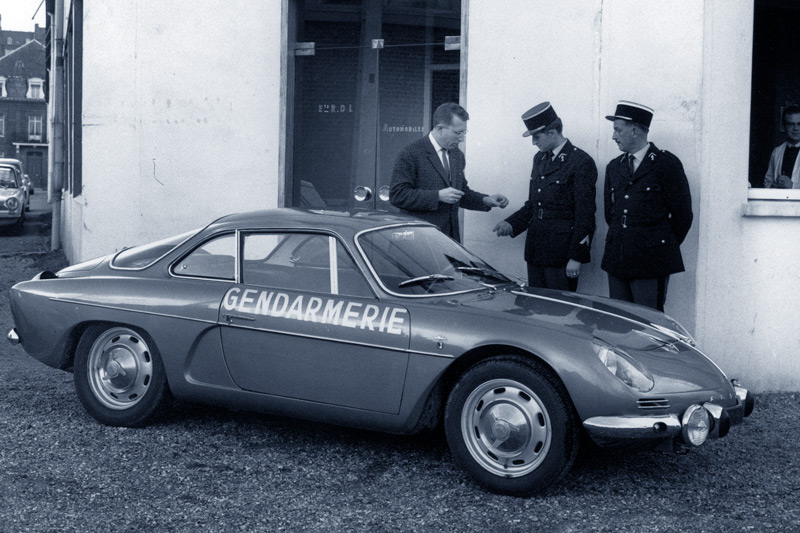
The unforgettable Alpine A 110 Berlinette


You have only
17 out of 39
images seen in high resolution


Summary
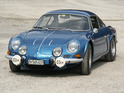
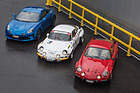
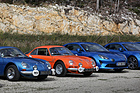
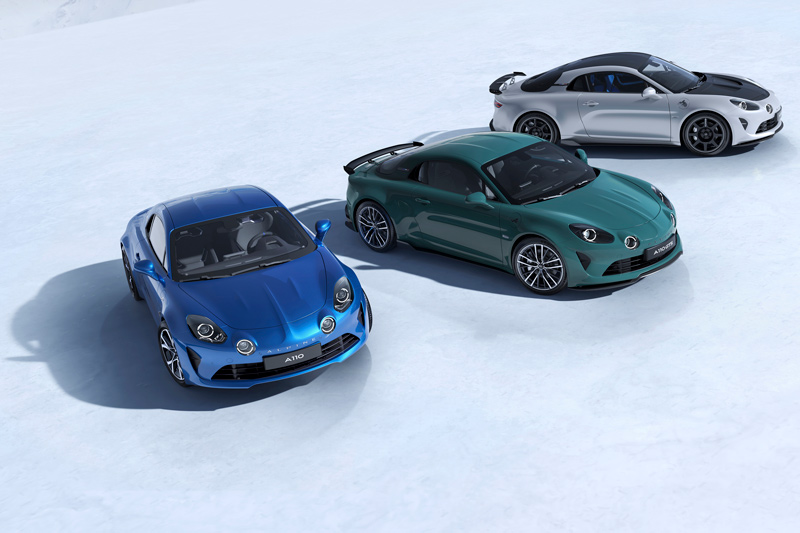
There was a festive atmosphere at the Alpine factory on the industrial site in Dieppe in July 1977. That day was a very special day. The last Alpine Berlinette rolled off the production line to cries of joy. It had shaped the development of the small company for years and had gone down in history as one of the best rally cars. Our article shows the development and is illustrated with many - sometimes rarely seen - pictures from that time and today.
This article contains the following chapters
- The beginnings of Alpine
- A 4 CV with a polyester body - nobody wants to build it
- The Alpine is "born"
- The A 108 shows the potential of
- The Alpine triumph
- The Alpine A 110 fountain of youth
Estimated reading time: 7min
Preview (beginning of the article)
There was a festive atmosphere at the Alpine factory on the industrial site in Dieppe in July 1977. It was a very special day. The last Alpine Berlinette rolled off the production line to cries of joy. The last car produced was reserved for Jacques Limondin, an enthusiastic member of the workforce. This last Alpine was painted green, not blue like the vast majority of these small Berlinettes, which had helped the Alpine name to achieve a very special fame.This was the end of a glorious era whose beginnings went back a long way. It began in the same town where a young man fell in love with cars after graduating from business school. Born and raised in Dieppe, Jean Rédélé was already dreaming of future successes in his father's workshop. In 1946, a new small car was presented that was to become a talking point: the Renault 4 CV. Jean had just taken over the Renault agency for Dieppe from his father, who himself had once been a racing mechanic at Szisz. It is therefore obvious that Jean took his first steps in racing with the 4 CV, the "flea" as it was called at the time.
Continue reading this article for free?
Images of this article