DKW F 12 in (historical) test - Compact two-stroke with ambivalent character


You have only
1 out of 20
images seen in high resolution

Summary
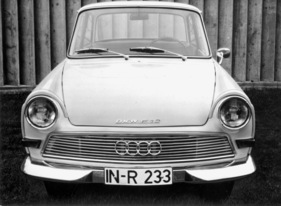
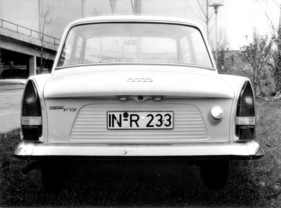
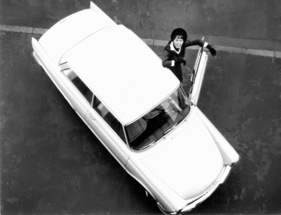
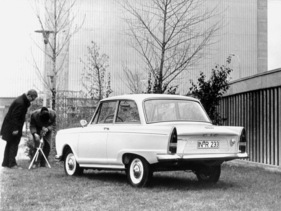
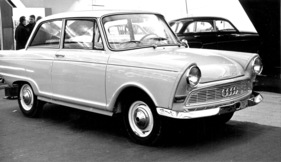
The fact that a large majority cannot understand the views of a small minority and collectively shake their heads in resignation is not only seen in times of medical crises. In an automotive context, society was probably similarly divided at the beginning of the sixties. At that time, the dominance of four-stroke engines had long been established, but a few stubborn manufacturers were still producing two-stroke cars, including DKW. Although the F 12 had its flaws, its performance and equipment were more than respectable even in comparison with the four-stroke competition... You can find out more about this small mid-range car in the original test report from 1963 and from the historical photos.
This article contains the following chapters
- Strong connection to motorsport
- Peculiarities of the two-stroke
- Engine not at all like a small car
- Fine gearbox
- Suspension and interior
- Seats, visibility, equipment
- How it drives
- Less demanding maintenance
- Is it worth the money?
- Technical data and test results
Estimated reading time: 20min
Preview (beginning of the article)
You can offer the best cigars to people who smoke a pipe. They don't like them. It's not much different with die-hard DKW drivers: they are "trained for two-strokes", so to speak, and don't come into intimate contact with "normal cars". They are spoiled, as they themselves believe... This is the reason for a certain unease that always creeps up on me when I, as an "outsider", have to write a DKW test. You can't please anyone. The two-stroke community screams murder and fire because they believe they are inevitably under attack, the "four-strokes" among our readers write angry letters because, in their opinion, these stinking relics of the period between two world wars have been treated all too kindly.
Continue reading this article for free?
Images of this article