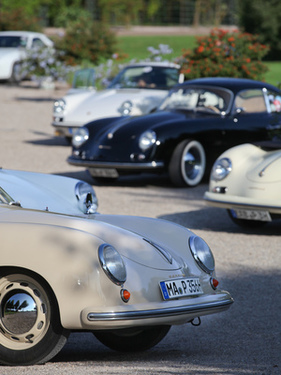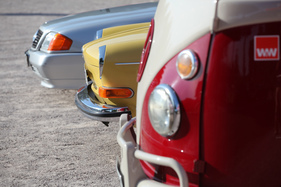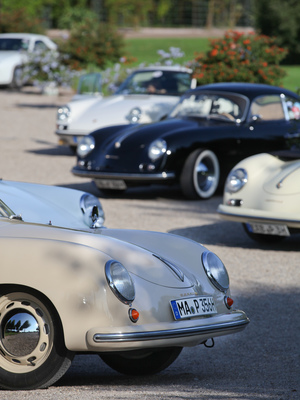
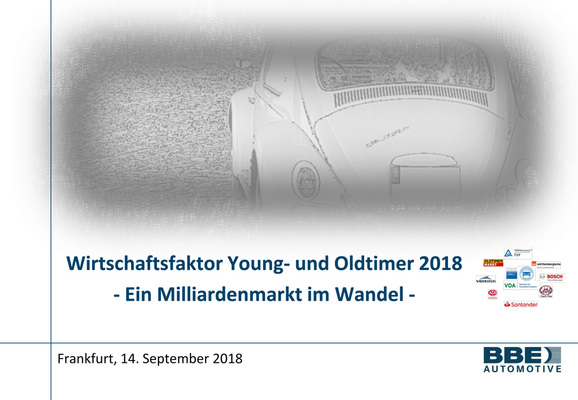
For the new study "Classic Cars - A billion-dollar market in transition", management consultants BBE Automotive analyzed the market for youngtimers and classic cars. The study is supported by the German Association of the Automotive Industry (VDA), the German Association of the Motor Trade (ZDK) and the Association of International Motor Vehicle Manufacturers (VDIK).
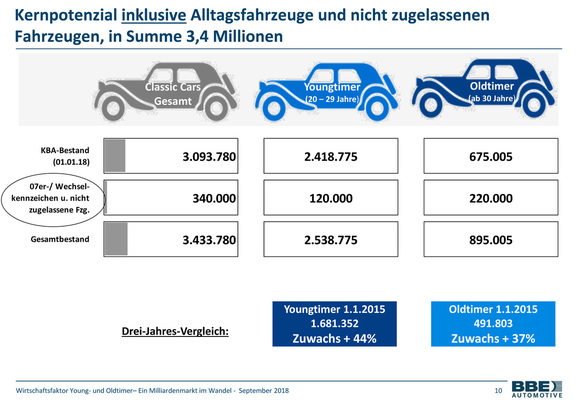
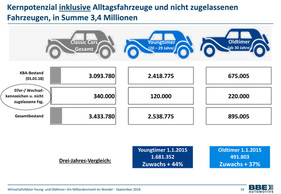
According to the authors of the study, the market for genuine classic cars comprises around 2.2 million vehicles. These classic cars over 30 years old and the youngtimers over 20 years old used for leisure purposes represent a total market volume of around 10 billion euros. The number of classic cars in this market will grow, particularly due to cheaper vehicles. However, the market volume will stagnate as younger owners spend less money on classic cars. However, the authors are not worried about the next generation.
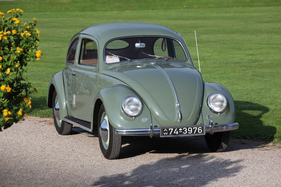
The Beetle rolls and rolls
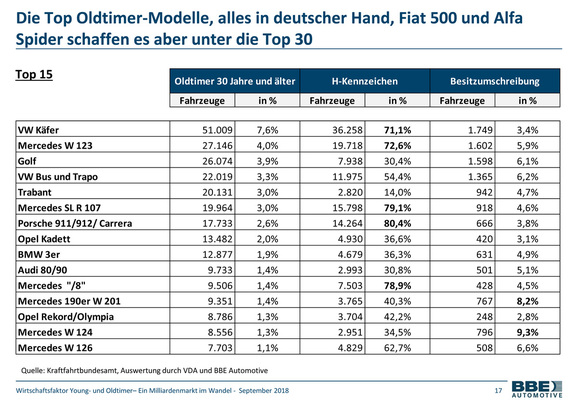
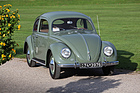
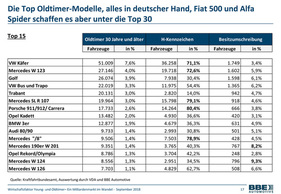
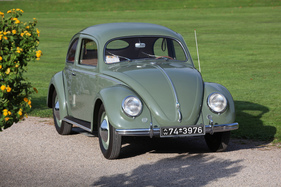
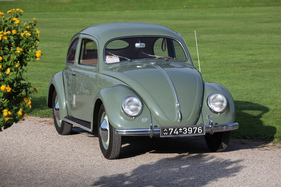
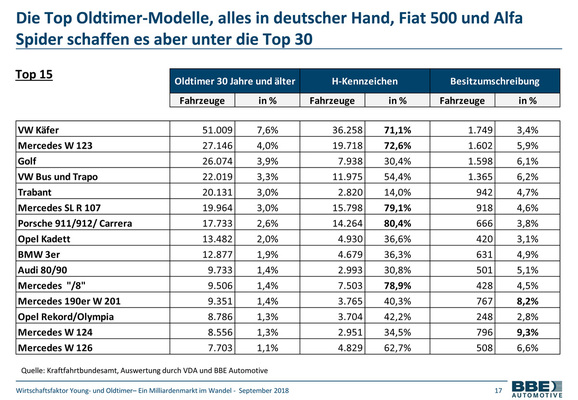
With more than 50,000 vehicles, the VW Beetle is and remains the classic car model with the highest volume. It is followed by the Mercedes-Benz W 123, with the VW Golf, the BMW 3 Series and the Mercedes-Benz E-Class (W 124) as newcomers, which are making inroads into the over-30s segment in large numbers.
Overall, the classic car segment is dominated by German brands, with 70 percent of all classic cars aged 30 and over bearing a German brand logo. Italian brands follow with a share of 7 percent, followed by British and US brands with 6 percent and French brands with a share of 5 percent.
New target groups
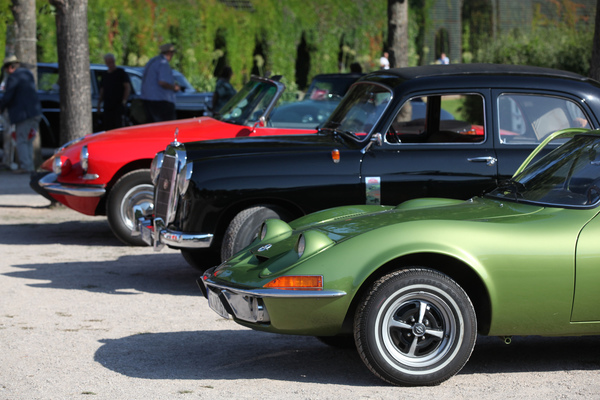
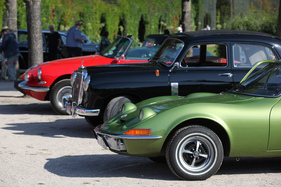
The classic car industry must adapt to new target groups. Classic cars of the future are no longer just the premium models that have become increasingly expensive in the past. Volume models from the 1980s and 1990s are becoming increasingly interesting. They are bought for the same emotional reasons as more expensive classic cars: fun to drive, memories of old times. However, the willingness to spend money on these classics is limited.
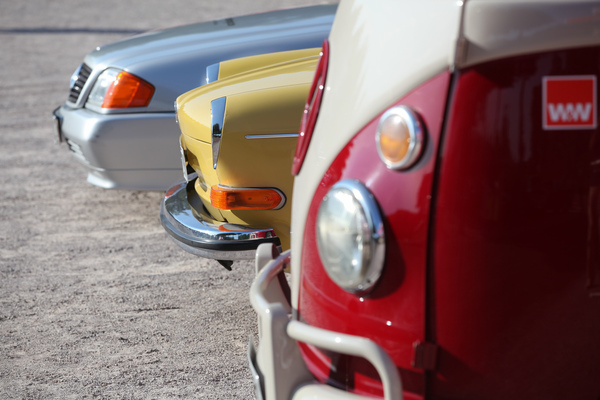
At the same time, the study shows a cooling of sales prices for classic cars of premium brands. In contrast, price increases were observed for historic volume models such as the VW Beetle.
Annual growth of 70,000 vehicles
In the coming years, the study expects an annual increase of around 70,000 vehicles that will make the leap over the 30-year hurdle. In addition to premium brands, these include convertibles, coupés and sports cars in particular, but also the former GDR and Eastern European brands, which have a dedicated community.

Regional classic car strongholds
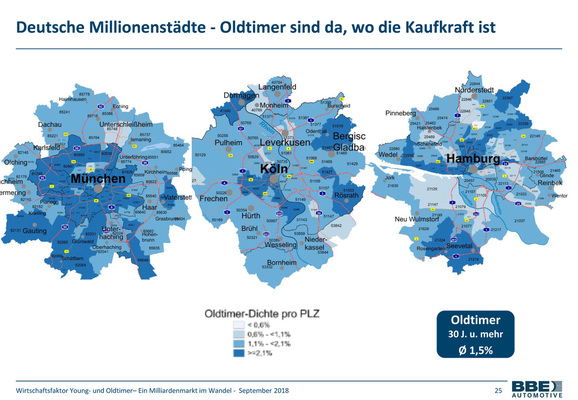
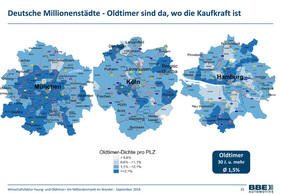
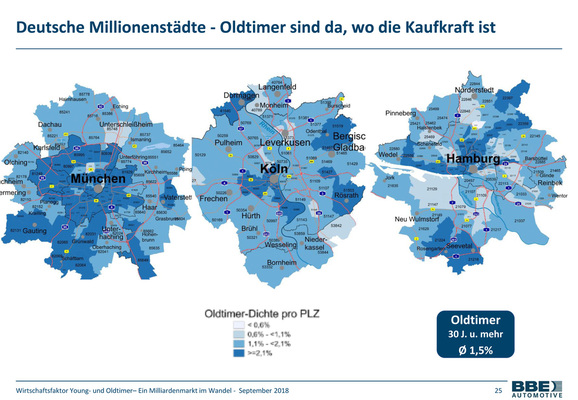
The regional distribution of classic and vintage cars was also examined. Classic car strongholds are clearly located in regions with high purchasing power. The German "classic car capital" is Munich, with almost 20,000 registered classic cars. Here, the share of the total car population is 2.7 percent compared to 1.5 percent nationwide. Above-average shares can also be found in the Rhine district of Neuss, in Mannheim and in the district of Offenbach. The study also classifies individual vehicle types by region.
Opinions of the managing directors
VDA Managing Director Dr. Joachim Damasky: "Germany is considered the birthplace of the automobile. The automotive industry consciously cultivates its tradition. Classic cars are ideal brand ambassadors. They stand for quality, durability, innovation and design. The VDA is committed to ensuring that historic vehicles can continue to be driven on public roads in the future without any problems. Classic cars cannot and should not have to adapt to current standards.
They should be allowed to retain their original character. However, the technical gap between current and historic vehicles is tending to widen. That is why we will continue to need exemptions for classic cars in the future. Classic cars are becoming increasingly popular and are attracting more and more people: We want to maintain this positive image."
VDIK Managing Director Dr. Thomas Almeroth: "The importance of classic and vintage cars in the German market is constantly increasing. For our VDIK member companies, the representatives of international car brands in Germany, this market is increasingly becoming an economic factor in terms of brand building, brand care and brand loyalty.
Conclusion
- The German classic car market for genuine leisure youngtimers and vintage cars has a volume of around 10 billion euros.
- The market is currently growing primarily due to inexpensive vehicles from the 1980s and 1990s. These also include many high-volume models.
- However, the industry has to adapt to new target groups who are paying more attention to value for money than before.
The VDA website provides further information and makes the complete study available for download.