Numerous cuddly small and miniature vehicles have moved into the Erwin Hymer Museum in Bad Waldsee in Upper Swabia. Complemented by the miniature caravans that could be towed by the tiny vehicles, the museum is dedicated to the cultural and technical history of caravanning in its new exhibition program "Freedom in Miniature - Of Tiny Balls, Little Mice and Great Boxes" is dedicated to the special feeling of new freedom that these vehicles triggered in their proud owners when they were on the road with them.
One hundred years of automotive history in one house
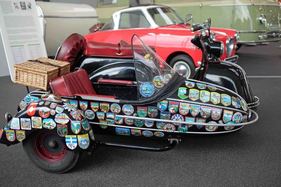
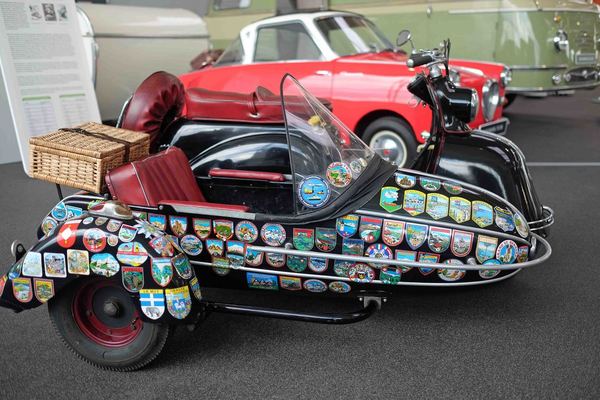
The museum exhibits not only world-famous representatives of the economic miracle era, such as a front-door BMW Isetta with a tiny Piccolo trailer, a Goggoscooter with sidecar next to a chic Goggomobil towing a Dethleffs camper or two of the millions of Fiat 500s built to this day together with small caravans specially developed for them. The two oldest exhibits date back to the golden 1920s: The Hanomag "Kommissbrot" and the BMW Dixi 3/15 were small and not heavily motorized, but made it possible for even a small family with a good income to own a car.
Framed by a panoramic view of the Alps, the inventive developments of the immediate post-war period, such as the Messerschmitt Kabinenroller, a three-wheeled vehicle between a scooter and a car with two seats one behind the other and a Plexiglas hood, which earned it the nickname "Snow White's Coffin", are on display. The Zündapp Janus with front and rear doors, as curious as it is ingenious, was complemented by the exhibition organizers with a Zündapp DE200 motorcycle from 1938, an example of the many motorcycles that kept Germans on the move until the early 1950s, before the scooter boom began.

Scooters and scooters
Scooter fans will not only find a Vespa Faro Basso but also a Vespa 400 - a little-known small car from Piaggio - in the exhibition. If you are wondering what the situation was like in the former GDR in terms of "Knutschkugeln", you will find two small "Knutschkugel" caravans in the "Ostsee" area of the museum, which ensured that Trabi drivers could also travel with a caravan. There were no small cars like those in West Germany.
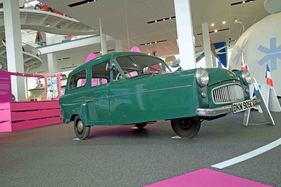
The three-wheeled English Bond Minicar and the tiny French Mochet are also unusual and show what small cars were on the roads outside Germany and Italy. A 1984 Fiat Panda Junior with seats that can be converted into a sunbathing area against the Atlantic backdrop of the exhibition is reminiscent of youthful days when spontaneous trips to the seaside in your first car turned summer into an adventure. Adventures can certainly also be experienced with the exhibit from the present day, a modern teardrop caravan from Turkey with a small kitchen in the rear.

Many interesting details
"Interesting details can be discovered in every single vehicle, they sparkle with creativity and inventiveness. Sometimes the automobile was even completely rethought in order to offer a motorized means of transport with wind and weather protection for everyone. This kept the research for this exhibition program incredibly exciting," said museum director Susanne Hinzen and exhibition organizers Andreas Krattenmacher, Markus Böhm and Isabell Heinzelmann.

Discovering exhibits through play
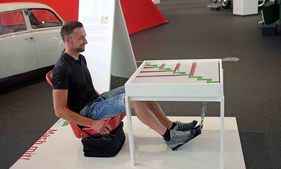
The museum team has also designed and built exciting hands-on and experience stations that allow the whole family to discover the freedom of the automobile in miniature: The "All aboard in the Goggomobil" photo station, a fun game of skill that challenges "foot skills" on the pedals and a small car quiz that challenges the memory complete the exhibits.

Wearing masks is not necessary
The exhibition program "Freedom in Miniature" takes place in the exhibition and is suitable for the whole family. Children and young people have free admission. The day ticket for adults costs €11.50. Pupils, students and trainees over the age of 18 pay a reduced price. The exhibition, museum store and Caravano restaurant are open daily from 10 am to 6 pm, on Thursdays until 9 pm. The spacious museum and exhibition architecture offers good conditions for observing social distancing rules, and it is not necessary to wear a mask.
Further information
Further information on opening times, directions, etc. can be found on the Erwin Hymer Museum website.