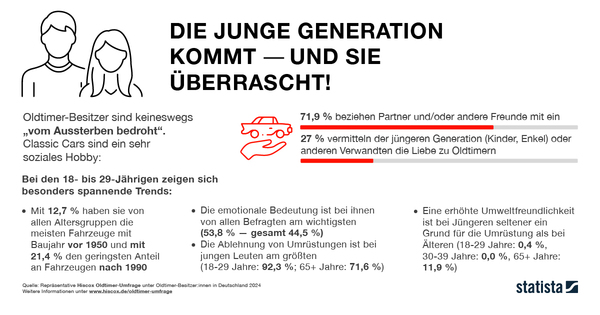
Instead of bringing a breath of fresh air to the scene and combining their classic hobby with modern technology, the youngest generation of classic car enthusiasts aged 18 to 29 are increasingly turning to the traditional. These are the surprising results of a recent representative survey of 2000 German classic car owners conducted by specialist insurer Hiscox.
In general, the younger the owners, the younger the age of the vehicles. Only 25.3% of classic car fans over 65 own vehicles built between 1990 and 1993, compared with a much higher proportion of 30 to 39-year-olds (44%). Interestingly, however, the youngest age group shows exactly the opposite trend: no age group owns more vehicles built before 1950 (12.7%). In addition, the youngest classic car owners have the lowest proportion (21.4%) of classic cars built after 1990.
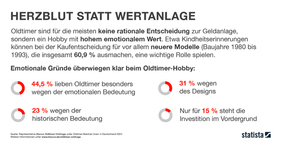
Only a few owners (15.0%) use the purchase of a classic vehicle as an investment. Instead, these cars are bought primarily for emotional reasons: 44.5% of respondents chose classic cars because of their emotional significance, 31.0% because of the design and 23.0% because of the historical significance of the car. The younger generation again stands out from the others, as emotional significance (53.8%) and design (46.5%) are more important to them than older classic car owners. For the vast majority, the purchase of a classic car is therefore not a rational investment decision, but a hobby with a high emotional value.
Classic car driving is a tradition that is being preserved - e-fuels divide opinion
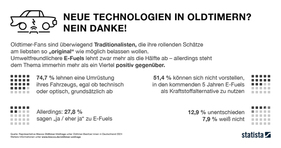
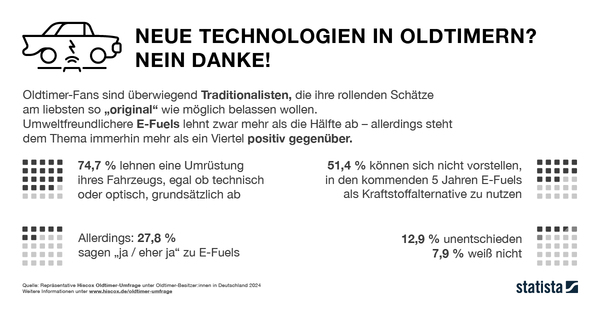
Classic car fans are predominantly traditionalists who refuse to convert their cars for both technical and visual reasons (74.7%). In this aspect too, 18 to 29-year-olds can be described as "hardliners" with 92.3% rejecting the idea. Nevertheless, it is surprising that even increased environmental friendliness is not an incentive for them to convert (0.4%). The pioneers here are classic car owners over the age of 65, at least 11.9% of whom see environmental protection as a reason for converting to alternative drive systems, for example.
The strong aspect of tradition also means that more than half (51.4%) reject alternative fuels such as e-fuels for their classic cars. However, a quarter (27.8%) have a positive attitude towards the topic and a fifth (21.8%) are still undecided or consider themselves to be under-informed.
However, social and economic developments are not leaving classic car enthusiasts unaffected: the current economic situation is making owning and using a classic car an expensive hobby, as the costs of purchasing, maintenance and fuel, for example, are rising noticeably. Despite this, 51.4% use their classic cars no differently or no less frequently than before. Only 14.5% drive their classic car less and 9.5% no longer use it at all. For the future, many expect ownership and maintenance to become even more expensive (36.1%) and legal requirements to become stricter (31.8%). As a result, only 13.6% plan to buy another classic car. A quarter also assume that the special status, e.g. in the environmental zone, will be lost. Nevertheless, the community is positive about the future and expects classic cars to continue to rise in value (40.1%).
Specific risks for classic cars are rarely covered
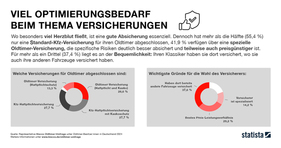
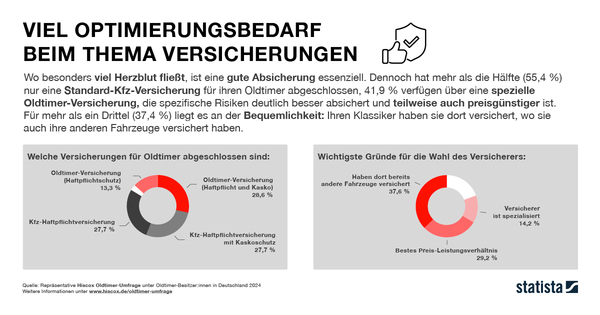
Due to their high financial and emotional value, suitable insurance for classic cars on wheels is essential: however, over half of those surveyed (55.4%) have taken out standard car insurance for their classic car and only 41.9% have special classic car insurance. For more than a third of owners (37.4%), this is due to convenience, as they have insured their classic car where they have also taken out policies for their other more modern vehicles. When choosing an insurer, only 14.2% make sure that it specializes in insuring classic cars.
Alina Sucker-Kastl, Underwriting Manager Art & Private Clients at Hiscox and responsible for insuring classic cars, explains why the choice of insurer should play a greater role for vehicles with H license plates: "With emotionally valuable possessions, such as a classic car, special care should be taken to ensure that it is properly insured. Special classic car insurance policies not only cover specific risks for these vehicles, but are also often cheaper. With special insurers, spare parts and accessories, for example, are also insured and owners can decide whether they want to insure the market value, replacement value or restoration value. It is also important to know: Unlike with classic car insurance, type and regional classes or no-claims bonuses do not play a role in good classic car tariffs."
About the study:
On behalf of the specialist insurer Hiscox, the market research company Civey conducted a representative survey in early 2024 asking 2000 classic car owners of various age groups aged 18 and over from all over Germany about their classic cars, their insurance and current trends.