



Buying a classic car is the realization of a dream. It satisfies longings that often have their origins far back in your own past. I imagine carefree drives along beautiful country roads or want to meet like-minded people and discuss our shared passion with them. But before that happens, I should take the time to answer a few questions.
Who hasn't heard the story of the bargain that turned into a long and expensive restoration project? Or the classic car that was left in the garage after a few trips because there was no room for the children and the dog, or because the engine overheated on the first pass?
Why buy a classic car?
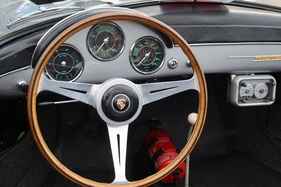
Actually, there is no good rational reason to put a veteran car in the garage. Modern cars are better in every respect in terms of use. Emotionally, it's a completely different matter. Classic cars appeal to our sensors: Design and styling delight the eyes, engine noises thrill the ear, the smell of leather fills the nose. I can feel the road surface almost unfiltered. I can move levers and turn or flip switches. In a classic car, I am always in contact with the vehicle and the environment with all my senses.
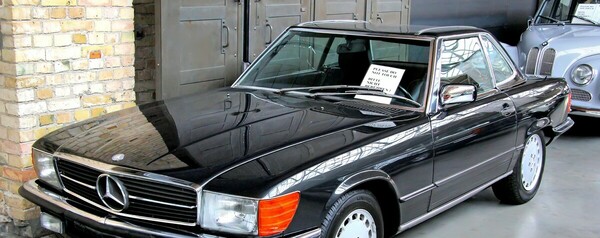
What do I have to do to ensure that I can enjoy it for a long time?
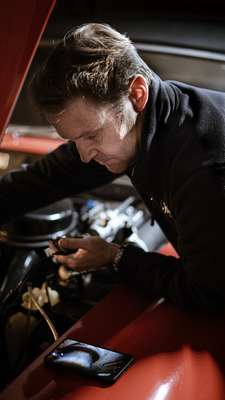
Classic cars require more maintenance than modern cars, but it is usually not complicated. If it is neglected, my classic car will break down more often and parts will wear out much faster. Positive emotions quickly turn into negative ones and my car stays in the garage and is forgotten. I must therefore be prepared to invest regularly in the maintenance of my classic car and place it in expert hands or acquire the necessary skills and knowledge myself.
How do I want to use it?
If I buy a two-seater roadster, it has to suit my circumstances. Otherwise, disappointment is inevitable. Do I only drive in summer in warm weather or should the season also cover cool spring and fall days?
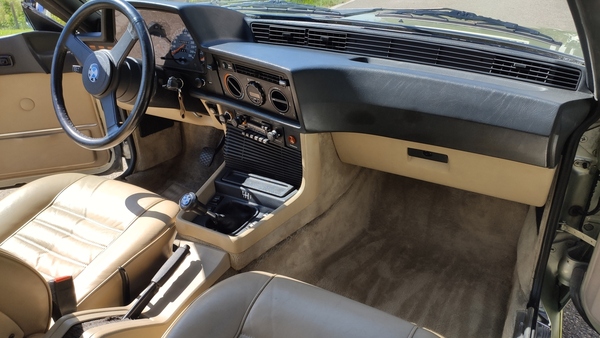
Do I want to take part in concours competitions or rallies? A checklist helps to compare the object of desire with its potential area of use.
What is my budget?
Budget is usually understood to mean the purchase price. However, it is more realistic to budget for repair costs, annual maintenance, insurance and garage space.
The saying: "The purchase price is just the down payment" is typical. It doesn't have to be that dramatic if you take a close look before buying, more on this later. The average value for annual maintenance, repairs and insurance is CHF 5000.
Where can I find a suitable car?
You can easily find out what is on offer on the relevant marketplaces on the Internet and at auctions. Some brand clubs have their own marketplaces on their websites. However, the description is often too rudimentary to decide whether a viewing is worthwhile. So call first and clarify questions about the condition, equipment and origin of the car. I should give myself enough time to look at the car on site. It is highly recommended to view several cars of the same model that come into question.
With each additional car I view, I learn more about the model and its special features. A sense of the quality of a car develops through comparison. Patience pays off.
Have I found a good vehicle?
Once I have found an attractive car on the Internet or at the dealer, the question arises as to whether it really is what the seller promises. In most cases, sellers do not give a guarantee and it is up to the buyer to check the object of desire. This is not easy, because even if the appearance is right, defects can be hidden behind the façade.
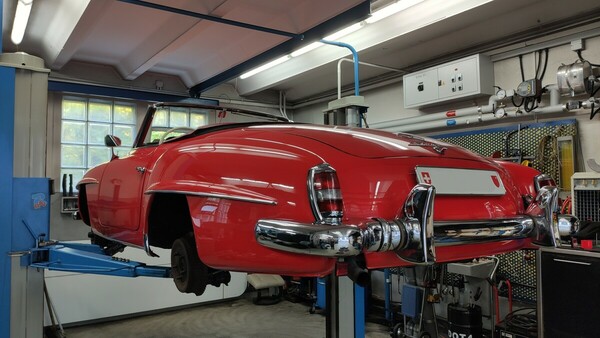
It is always important to take a test drive. This gives you a good first impression of the overall condition of the car. How well does the engine respond to throttle changes, how is the braking behavior, are there any unusual noises? With an in-depth look at the bodywork and technology, especially from underneath, problem areas can be identified. If I lack the experience, it is highly recommended that I consult an expert. They will carry out a comprehensive condition inspection and record any defects found in writing in a condition report.
How important is documentation?
The trend is to find out as much as possible about the previous owners. This is important for high-priced and rare vehicles because it is intended to prevent vehicles from dubious sources or replicas being sold as originals.
It is much more important to be able to see invoices and photos of the work carried out over the last ten to twenty years. How were rust spots treated before repainting, when was the gearbox overhauled, when was the cylinder head gasket replaced? How regularly has the car been serviced?
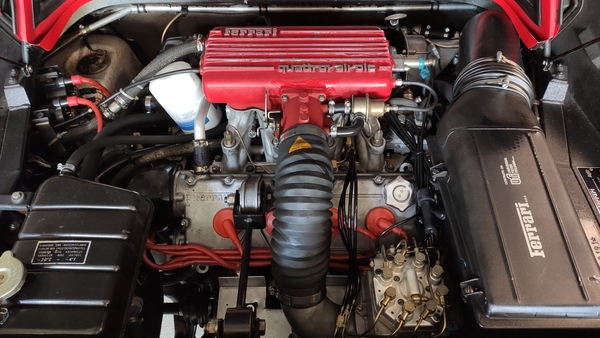
With the documents, I can better assess the condition and verify the stated mileage. If the car was once imported, customs and foreign registration documents are helpful.
If no documents are available, caution is generally advised. An expert should then be consulted.
Is it worth importing into Switzerland?
Importing is associated with substantial costs that are not incurred when buying in this country: Transportation costs, customs duties (CHF 12.00 to 15.00/100 kg vehicle weight), 4% automobile tax and 7.7% VAT on everything. This adds up to 14-18% of the purchase price.
Road approval by the MFK is not guaranteed and should be clarified there in advance. Depending on the year of manufacture, certain exhaust and noise values must be met. For US and UK vehicles, the speedometer and headlights must also be modified. The Swiss regulations that were valid at the time the vehicle was first placed on the market apply. All this quickly adds up to costs of several thousand francs. For this reason, an import is generally only worthwhile for vehicles that are not available in Switzerland or are rare.
How important is originality?
That's a question of taste. The closer the car is to the condition it was in when it left the factory, the more authentically it conveys the feeling of the time. Even back then, it was often possible to retrofit a car with technical improvements (better brakes, cooling, seat belts) to make it safer and more suitable for everyday use.
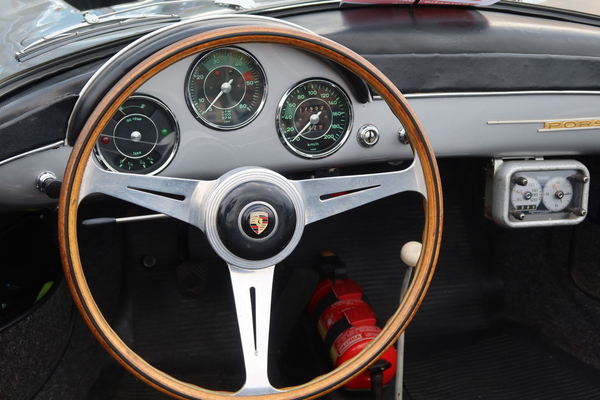
Modern technology makes sense when it is almost invisible, such as the installation of a contactless ignition or the installation of a DAB radio in a classic design. For veteran approval, modifications must be at least 30 years old. The basic rule is: the more original, the more valuable. For this reason, originality should be checked by an expert before purchase.
About the classic car consultancy Blattner GmbH
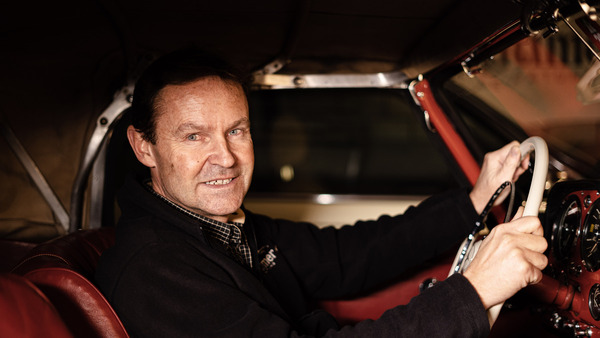
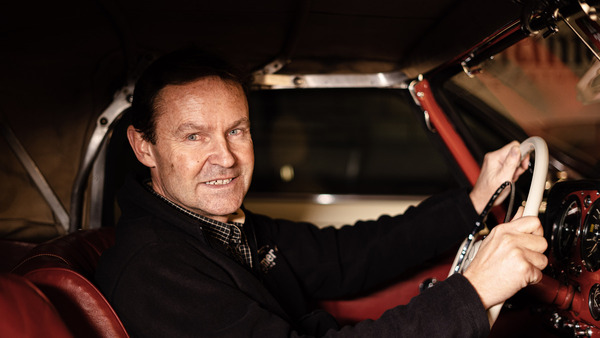
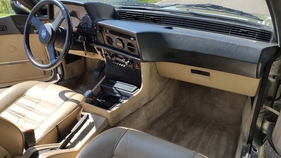
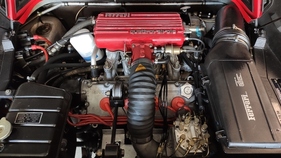
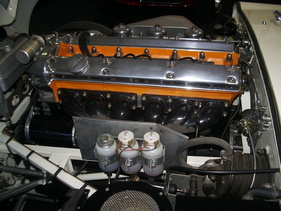
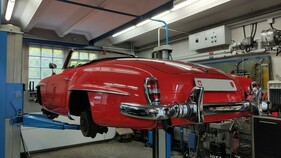
Jürg Blattner has been dealing with classic cars for 27 years. It started as a leisure activity with a Mercedes. Later, Jaguar, Ferrari and BMW models were added. This passion has turned into a profession. He has supplemented his practical experience with specific training in restoration consulting. He has learned what it takes for a classic car to provide long-lasting enjoyment and which mistakes can be avoided.
Contact details:
Oldtimerberatung Blattner GmbH Address: Unterer Erlenweg 6, CH-8832 Wollerau
Email: [email protected]
Website: oldtimerberatung.ch
Phone: +41 (0) 44 510 35 55