


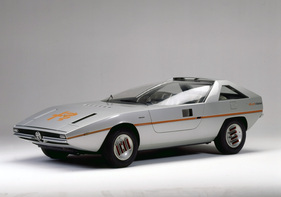

From February 5 to 7, the Bremen Classic Motorshow will be the first major classic car trade fair at the beginning of the year. Everything to do with classic cars will be on display to get the season off to a great start. Under the motto "The 70s: simply wedge", Messe Bremen will be setting off a firework display of spectacular sports cars that created that quirky zeitgeist in the truest sense of the word.
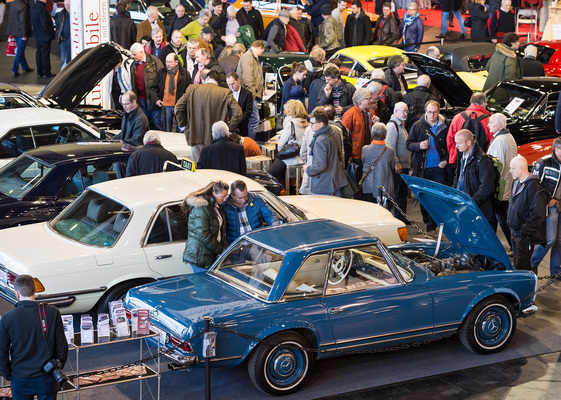
With 46,951m2 of exhibition space in eight halls, around 45,000 visitors and 650 exhibitors from 12 nations, the Bremen Classic Motorshow is the meeting place for all classic car enthusiasts. The professionally discerning public, the high-quality selection in the exhibition area, the special atmosphere and the unique special shows for cars and motorcycles have been the recipe for success of the Bremen Classic Motorshow for years. This is where friends, like-minded people, experts, collectors and mechanics come together to have a "petrol talk" or two in a relaxed atmosphere.
Stars of the exhibition
The stars of the exhibition include the Mercedes-Benz C-111 and BMW Turbo concept studies, which were considered the absolute dream cars of all generations in the early 1970s - whether as an unfulfillable promise on the front pages of car magazines or scaled down in the children's room.

The fact that the more than 40-year-old gullwing legends can be experienced live together as originals for the first time at the Bremen Classic Motorshow has the same significance for fans of both idols as if Freddie Mercury and Mick Jagger were rocking out together.

Flat and pointed at the front, high and stocky at the rear, with a freestyle of rising edges in between - this was the futuristic car silhouette that was sold at the beginning of the seventies as the tangible future of the eighties. The Turin-based styling company Bertone was the first to wedge out, with chief designer Marcello Gandini becoming the forefather of the rugged design language in 1968. Giorgetto Giugiaro, Gandini's predecessor at Bertone and founder of ItalDesign, wedged against it - whereupon the two rivals, who are now among the greatest car designers of all time, fought a sensational battle for the crown of the wedge shape with ever more radical showpieces. Some of the showpieces from the pens of Gandini and Giugiaro developed from prototypes to series-produced dream cars - of which four rarities are set for the special exhibition: Lamborghini Countach, Maserati Khamsin, Lotus Esprit and Lancia Stratos.

The Alfa Romeo Alfasud Caimano from 1971, which Giorgetto Giugiaro built for Alfa Romeo as a concept car, is sure to be a highlight of the special show.

Most expensive production car of the 70s
The Aston Martin Lagonda, the only four-door car in the special show, shows that wedge styling was not just a privilege of flat super sports cars: The world's most expensive production car of the late seventies stands so flat and angular on its wheels that their circular shapes look like stylistic jammers. In 1976, the Lagonda brought pure science fiction to the road - and a fascinated fan community the certainty that one day all saloons would look like this.
"Japan: Attack"
The special show of two-wheelers in the ÖVB Arena is not as weird, but at least as revolutionary. Under the title "Japan: 攻撃" (=attack), racing bikes such as the Suzuki TR-750 and the eleven-e Honda RSC will be on display. Other originals from the period from 1968 (Yamaha TD2) to the 1980s (Kawasaki ZXR-7) underline the force of the Japanese motorcycle revolution.

In addition to the spectacular wedges and the revolutionary Japanese motorcycles, visitors can expect a selection of TÜV-approved "young classics", a private vehicle exchange with over 200 vintage cars and a large number of spare parts and automobilia at over 250 parts market stands.
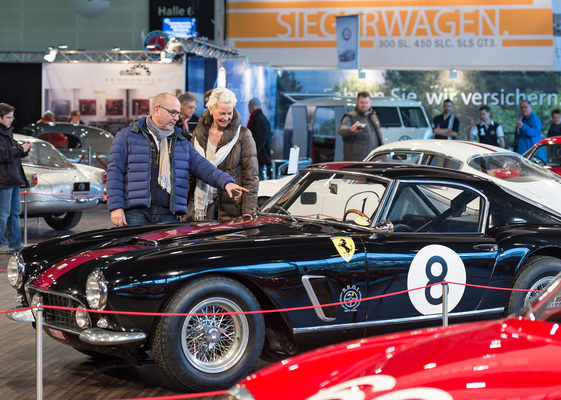
The Bremen Classic Motorshow is open from Friday to Sunday from 9.00 am to 6.00 pm. A day ticket costs 16 euros and is available here. All other important information can be found here.

