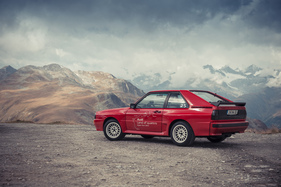
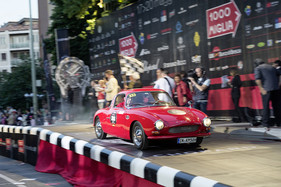
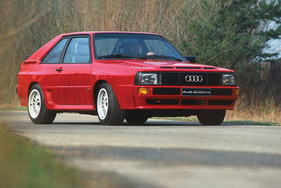
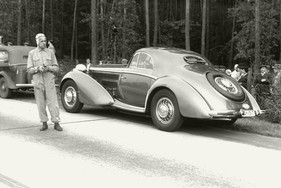
The Audi museum mobile is presenting twelve coupés from the 1930s to the present day in the exhibition "Dynamic Sculptures - The Tradition of Sportiness and Elegance at Audi". The new special exhibition runs from May 3 to September 18, 2016 and is all about the special body shape of coupés and their origins.
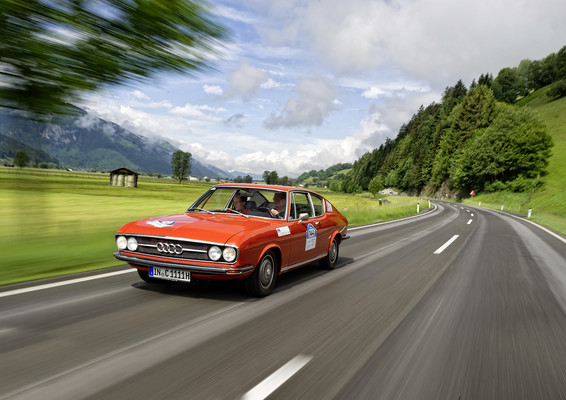
The favorite vehicle of the haute-volée
Hardly any other body shape exerts such a fascination on lovers of beautiful cars as the coupé. And so a design that has its origins in coachbuilding has quickly become the epitome of elegance and good automotive design. At the beginning of its development, this type of car construction was called "Les Désobligeantes" (the disobliging ones). By "cutting off" (French: couper/ coupé), four-seater carriages then became two-seaters. The result was a type of coachwork that aroused the interest of the so-called "better society". The high-quality interior fittings installed at the same time made the coupé the favorite vehicle of the haute-volée in Europe's major cities.
In the 1930s, with the first attempts at streamlined design, the curved roof shape at the rear and bottom began to establish itself. However, the current definition of a coupé only gradually crystallized: a short, flattened roof supported by two pillars with two seats in the interior. Coupés experienced their heyday in the 1950s and 1960s. This was decisively inspired by endurance races of the time such as the Mille Miglia, Targa Florio, Liège-Rome-Liège or the "2,000 kilometers through Germany", which were perfect for coupés. It was typical for coupés to combine a beautiful exterior with the best technology. To this day, the coupé is considered the jewel in the crown of every car manufacturer's product range.
How have coupés developed over time?
A total of twelve coupés from Audi's history await visitors to the special show. A special highlight is a replica of the "Manuela", a unique coupé of the Horch 853, which was specially built for Bernd Rosemeyer in 1937. The Auto Union's most successful and popular Grand Prix racing driver at the time loved this luxury automobile - countless photos bear witness to this to this day. This and the fact that the motorsport star died in a world record attempt just a few months after receiving the car made the Horch "Manuela" a legend. The original has been considered lost since the Second World War.
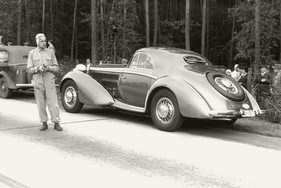
The 1950s are represented by other gems from the company's history: a rare DKW Meisterklasse Coupé from the coachbuilder Hebmüller, a DKW Monza (1956), the Auto Union 1000 Sp (1958) and an NSU Sport Prinz 1959. The first Audi Coupé after the Second World War, the Audi 100 Coupé S from 1970, is also part of the exhibition. The Audi Coupé GT (1980), the Audi quattro (1981), the Audi Sport quattro (1983) and the Audi Coupé from 1988 stand for the return of the four rings to the premium segment. In addition, the style icon Audi TT is on display in its first edition from 1998. The Audi A5 from 2007 marks the way into the present.