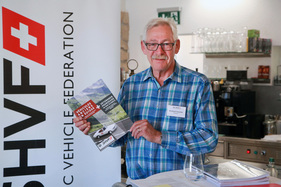
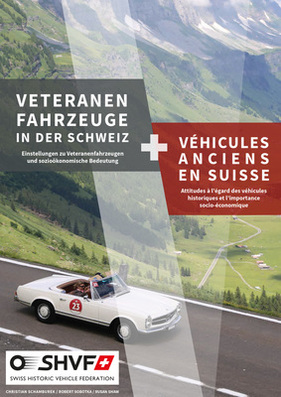
Due to the coronavirus crisis, the Swiss umbrella organization for classic car clubs, the SHVF, was not quite able to reap the rewards of the extensive study "Veteran vehicles in Switzerland" as hoped. But the work still received a lot of attention. The SHVF board received a lot of feedback, all of it positive and pleasing.
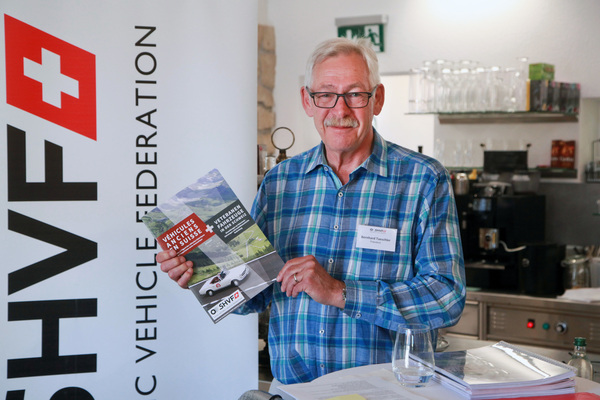
The printed version of the study was made available to all member clubs, the public media, the heads of the road traffic authorities and a large number of national politicians. The reactions were very spontaneous. The professional presentation and seriousness of all the work was praised several times and the umbrella organization SHVF was sincerely thanked. It is confirmed that many people have been waiting for the key figures and evaluations that are now available.
Astonishing results of the SHVF study
For the study, "veteran vehicles" were defined as cars, motorcycles, commercial vehicles and tractors that are more than 30 years old or, as so-called youngtimers, more than 20 years old. As a rule, such vehicles are no longer used on a daily basis. Such vehicles are also popularly referred to as "classic cars", "collectors' vehicles" or "historic vehicles".
First, the over-18s in all parts of the country were surveyed. This was followed by a survey of 3,600 owners of veteran vehicles and the presidents of clubs dedicated to the hobby. This was followed by a survey of companies in the industry and tourist offices that deal professionally with veteran vehicles.
It is quite astonishing that the total of 179,000 veteran vehicles in Switzerland (=2.9% of the total vehicle population) only cover 790 km per vehicle per year? This means that only one thousandth of all kilometers driven in Switzerland are accounted for by veteran vehicles! A quantity comparison: An estimated 95,000 architectural monuments in Switzerland are under national, cantonal or communal protection. This corresponds to around 4% of all buildings.
Better conditions for historic vehicles
Veteran vehicles are a rare species of special, mobile cultural assets. The SHVF will focus all its attention on these in the future. The umbrella organization supports the 53,000 owners of these vehicles to the best of its ability through its 150 or so clubs. This includes issuing the FIVA ID card (popularly known as the "FIVA passport"), which documents the condition and history of a veteran vehicle. And then, of course, political lobbying, which usually takes place quietly and in personal discussions, but ultimately leads to success:
- From January 1, 2021, veteran trucks (with the entry code 180) will also be allowed to attend meetings on Sundays! Thanks to the SHVF, this initiative was passed into law.
- From 1.1.2021, cars with trailers (including those loaded with a veteran vehicle!) will be allowed to travel at 100 km/h on freeways. The SHVF supported this proposal.
- The problem of border crossings with veteran vehicles, whether on their own axles or on a trailer, seems to have subsided thanks to SHVF clarifications and tips. In any case, no new complaints about arbitrary actions by customs officials have been received, explains SHVF President Täschler.
However, there are still many unresolved issues on the wish list of veteran vehicle owners. This is being worked on and the classic car study is helping to substantiate these wishes with current figures.
Among other things, veteran owners would like to see
- A reduction in motor vehicle taxes, which are set far too high in many cantons in view of the low mileage of veterans. The aim here would be a kind of "flat rate" or "poll tax", which should be the same for all veteran vehicles. The rates in the cantons of BS and BL could serve as a model. Consultations on this topic are currently underway in some cantons. In most cases, the focus is on greening, i.e. the tax relief for supposedly clean (electric) vehicles and the additional burden on "polluters". Veteran vehicles must not fall into this pot and must be taxed differently according to the SHVF!
- The emissions document has had its day and should be abolished! Vehicles put on the market from January 1, 1976 to around 2003 must undergo a mandatory emissions test every year, in some cases every two years. This is likely to affect around 200,000 cars, i.e. around 4% of the total number of registered cars. In view of the low mileage of the vehicles concerned and the dwindling number of calibrated measuring devices in the garage trade, this old practice should be dispensed with as quickly as possible. The SHVF is submitting a request to this effect.
- Referendum against the CO2 Act: Various transport and business associations have launched a referendum to allow the electorate to vote on the issue. Motorized private transport - including veteran vehicles - will once again be disadvantaged by the increase in fuel prices of at least 12 centimes per liter. The SHVF Board is asking all owners of veteran vehicles to support the referendum.
- Synthetic fuels / e-fuels: The SHVF is following the development of e-fuels very closely. These fuels are produced using electricity from hydropower and carbon dioxide (CO2) from the air and can power veteran vehicles in a climate-neutral way, so to speak.
Vacuum at the event
The planned delegates' meeting was canceled due to the pandemic, and other events are also up in the air. However, at least the Historic Vehicle Days 2021 are to take place again at the end of April 2021. Further information will be published later.
For more information and the classic car study, please visit the SHVF website.