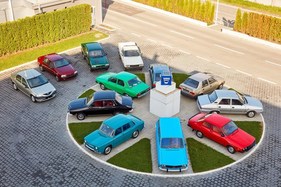
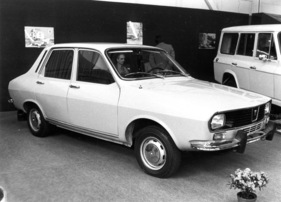
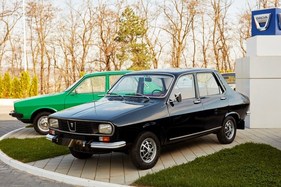


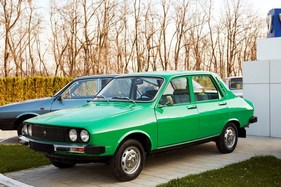
In 1965, the Romanian government decided to set up a national automotive industry. Due to a lack of in-house expertise, it opted for licensed production. Various Western manufacturers were contacted, and in the end Renault won the tender with a model that was not even on the market at the time: the Renault 12.
First license production of Renault passenger cars
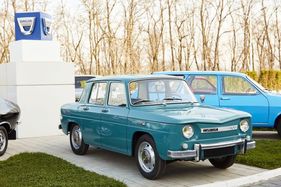
The truck component plant "Uzina de Piese Auto Colibaşi" near Pitesti was selected as the production site and expanded into an automobile plant with the help of Renault. Finally, on August 20, 1968, production was officially launched - contrary to plans, initially with the Renault 8. The name of the new model: Dacia 1100.
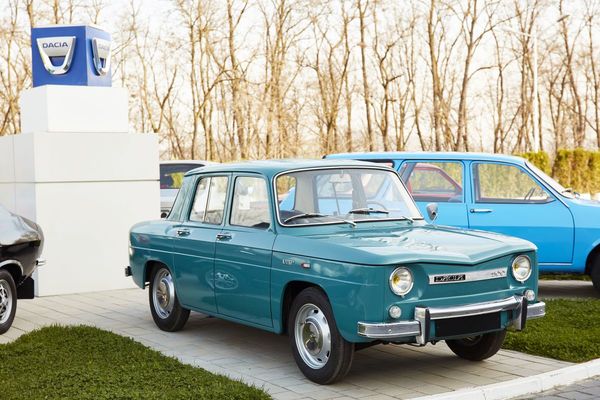
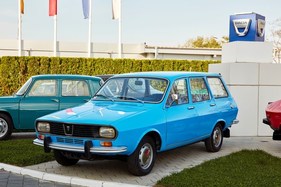
One year later, the Dacia 1300 followed, originally intended as a licensed version of the Renault 12.
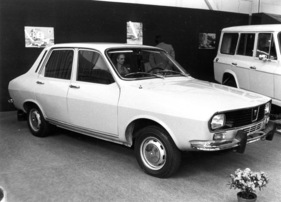
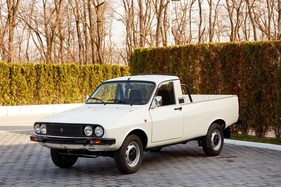
Other models followed that were closely based on Renault products, even after the parent company had long since ceased production.
Also on the road with Peugeot
In 1995, Dacia presented the "Nova". Interestingly, this was based on the Peugeot 309.
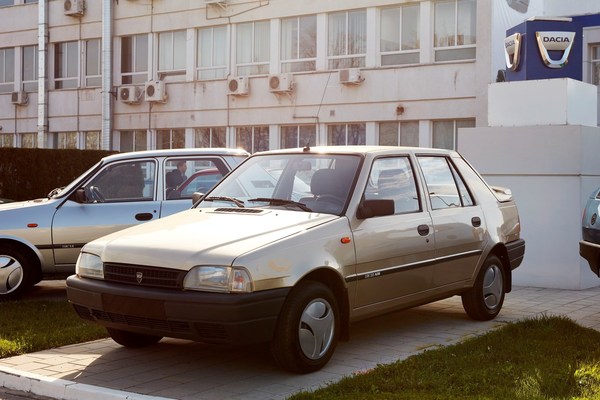
As Romania opened up to the West, cheap used cars flooded into the country in the 1990s. Dacia was looking for a partner in order to assert itself on the market against the new and often more modern competition. In 1999, the brand became part of the Renault Group, which took over 51 percent of the shares and thoroughly modernized the Pitesti site.
Successful restart with the Logan in 2004
The market launch of the compact Logan notchback saloon in 2004 proved to be the initial spark for the upcoming Dacia upswing.000 car" for emerging markets, the vehicle combined contemporary Renault technology with a low purchase price, affordable maintenance costs and great reliability. Virtually from a standing start, the Logan and the Logan MCV estate version, available from 2007, became global bestsellers. Like all later Dacia models, the Renault Group also marketed the Logan under the Renault brand name in many countries right from the start.
Always the most affordable vehicle in every class
The Logan series served as a model for all future Dacia vehicles. From then on, the brand consistently pursued the policy of offering the most affordable model in the respective class with every new release.
In 2008, Dacia expanded its model range with the Sandero small car. The next coup followed in 2010: Dacia presented its first SUV, the Duster, at the Geneva Motor Show. With over 2.3 million vehicles sold by the end of 2017, 1.3 million of them under the Dacia name, the trendy vehicle turned out to be a real global success.
Dacia also entered the compact van segment in 2012 with the Lodgy. Only a short time later, the brand presented the Dokker high-roof estate and the Dokker Express commercial vehicle variant as its fifth model series.
From September 2012, the next new models followed with the second generations of Logan, Sandero and the Logan MCV estate. They are based on current Renault platforms and offer state-of-the-art technology from the parent company Renault.
The second generation of the Duster compact SUV, the brand's youngest model for the time being, made its debut in 2017.
Dacia's sales figures have grown at the same rate as the model range: In 2009, just five years after the relaunch, Dacia celebrated the sale of its one millionth vehicle. In March 2018, the five millionth Dacia changed hands. A success story.
Further information about Dacia can be found on the company website.