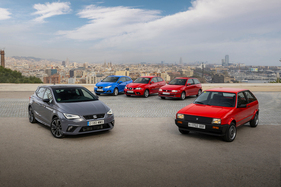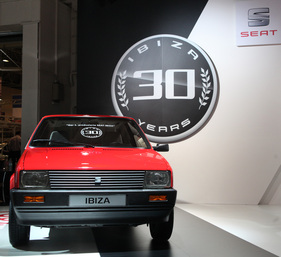


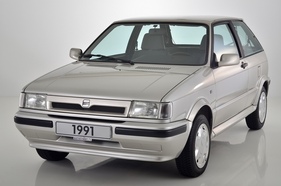
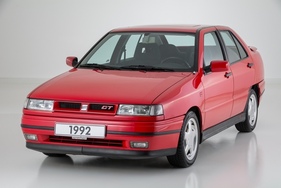
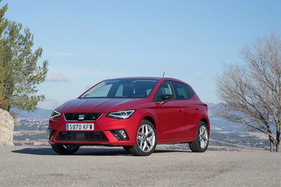
The brand's cult model was named after the Spanish island of Ibiza and marked a turning point in the company's history. Since its market launch in 1984, the model has sold over six million units in five generations. The first generation of the Seat Ibiza was the first vehicle that the brand developed without the support of an external technology partner.
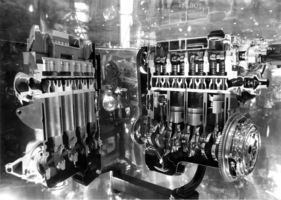
Nevertheless, the company did not rely solely on internal expertise: Partners such as Giorgetto Giugiaro (exterior design), Karmann (interior design) and Porsche (powertrain) were involved in the model.
Since its launch, the Seat Ibiza has become one of the brand's most important models, paving the way for the manufacturer to expand its position as a global company and deliver vehicles all over the world.
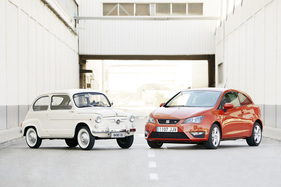
"The success of the iconic Seat Ibiza meant that some countries knew the model before the brand did! Seat currently has the best product range in its history and is now stronger than ever," says Seat CEO Wayne Griffiths. "As the challenges in the supply of semiconductors have normalized, sales have increased by 24 percent to 288,400 vehicles delivered in 2023."
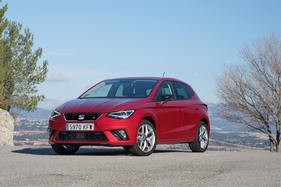
In addition to the Seat Ibiza "Style Edition" already launched in January 2024, another exclusive special model based on the best-selling FR equipment line is now being launched.
The Seat Ibiza FR "Anniversary Edition" is offered with new equipment features and a new color, exclusive alloy wheels and new design elements. The exterior design of the vehicle benefits from the exclusive Graphene Grey color for the body and Cosmo Grey for the 18-inch alloy wheels as well as the laser-engraved "Anniversary Limited Edition" logo on the B-pillar.
A look back
Seat was founded in 1950. The name stood for Sociedad Española de Automóviles de Turismo, S.A. (Spanish Society for Touring Cars). The state and banks invested in the development of this new car manufacturer, while Fiat contributed seven percent of the capital and provided the know-how. The first car was a Seat 1400, based on the Fiat model of the same name. This was followed by the Seat 600, the Seat 1500 and other models, always closely linked to the Fiat range.
In 1982, Volkswagen and Seat signed a production and commercial agreement, from which point onwards the Fiat-based models were (largely) history.
The first major new development was the Seat Ibiza (see above).
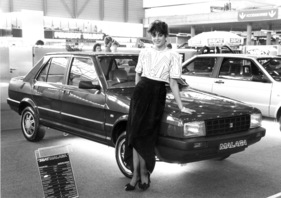
On March 10, 1983, the Spanish brand began selling its first vehicles in Germany, initially via an import company. In 1986, SEAT S.A. founded its own subsidiary, SEAT Deutschland GmbH, which has been importing SEAT vehicles and organizing the expansion of the sales network ever since.
In 1984, the Swiss importer Amag began importing and selling cars from the new VW Group brand Seat.