
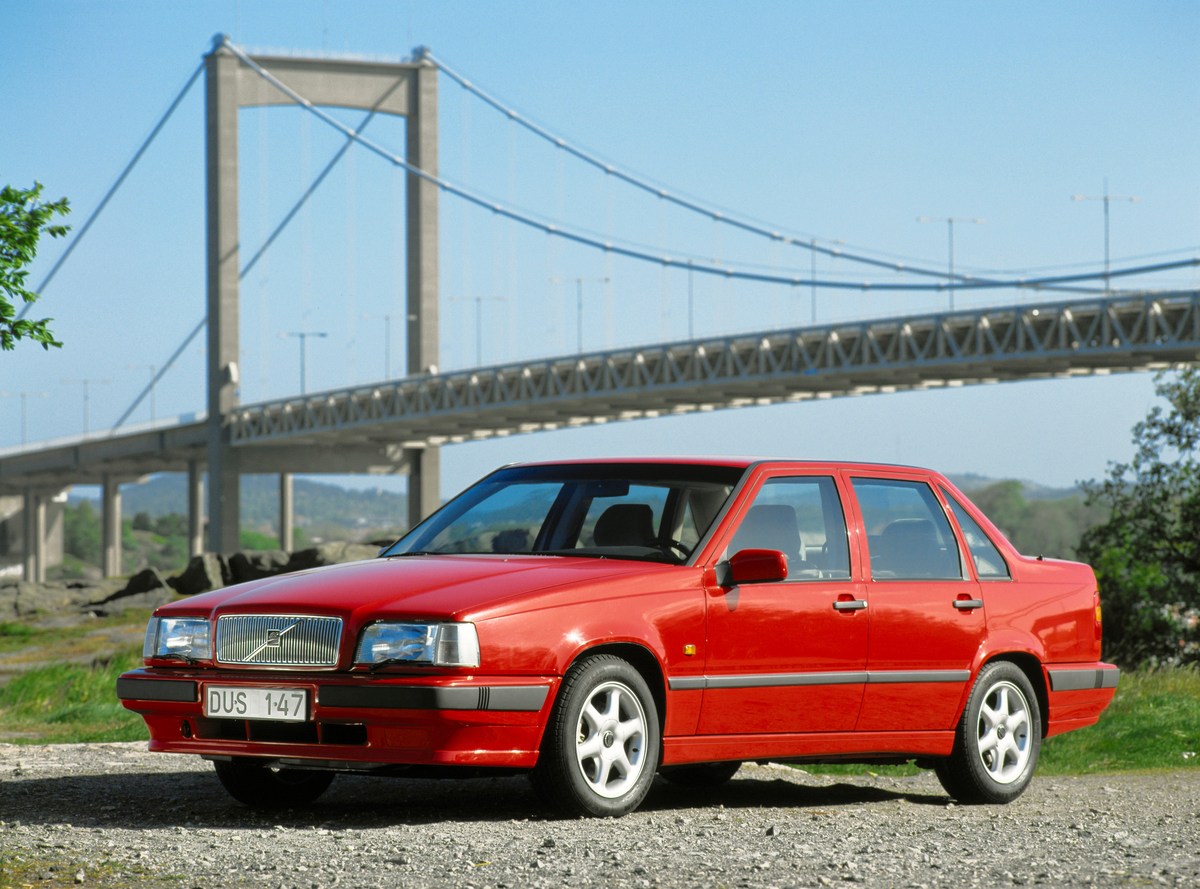




Numerous media outlets hailed it as the "safest car in the world": with the Volvo 850, the Swedish premium manufacturer launched a pioneering era in automotive engineering on June 11, 1991. Originating from the "Galaxy" development program, the Volvo 850 combined an unprecedented wealth of safety innovations. The mid-range model was the first Volvo to feature both a new front-wheel drive layout and optional permanent all-wheel drive for increased driving stability and traction. There were also world firsts such as side airbags and SIPS side impact protection, as well as the first split-folding rear bench seat with three-point automatic seat belts and adjustable safety head restraints on all seats in the Volvo 850 estate. An integrated child seat also ensured greater safety for the youngest passengers.
Today, Volvo underlines its traditional leadership in automotive and road safety with the ambitious vision that in the future no one will be killed or seriously injured in a new Volvo. Among the early advances that made cars safer in the long term was the introduction of the seatbelt, invented by Volvo in 1959, but the four new safety systems introduced in the Volvo 850 30 years ago also set pioneering global standards.
Visionary safety systems in award-winning Scandinavian design
Volvo launched the "Galaxy" project in 1978 as one of the largest investments in Scandinavian industrial history. It was an almost unprecedented development effort that led to the Volvo 850 presented in 1991, a sculpturally designed four-door mid-size saloon, which was reinforced in 1993 by a perfectly shaped five-door estate version with vertically positioned, striking rear lights that covered the entire D-pillar. These vertical rear lights, which were positioned at eye level and therefore hardly soiled, not only offered additional safety, they also contributed to the five-door Volvo 850 winning the Japanese "1994 Good Design Grand Prize" award and the Italian "Most Beautiful Estate" design prize.

Above all, however, there were four safety systems with which the Volvo 850 made automotive history: the pioneering SIPS (Side Impact Protection System), which absorbs impact energy in the event of a side collision and thus significantly reduces the risk of injury to passengers. From 1995, the Volvo 850 was also the first mass-produced vehicle in the world to be equipped with side airbags. The automatic seat belt height adjustment ARH (Automatic Retractor Height Adjustment) for the front passengers also emphasized Volvo's pioneering role in standard safety equipment.

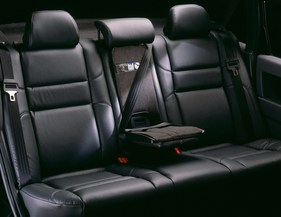
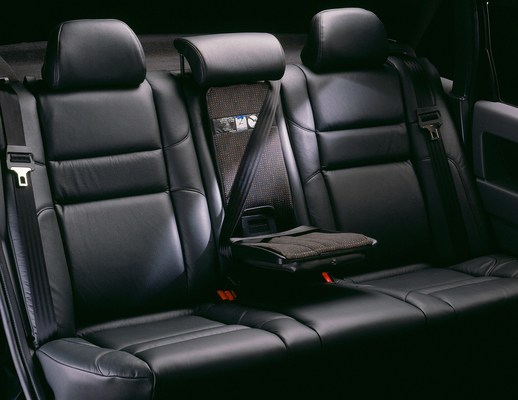
The Volvo 850 estate completed the list of these world firsts with the first split-folding rear bench seat with three-point automatic seat belts integrated into the backrest and adjustable head restraints on all seats. But that's not all: Volvo is traditionally a trendsetter in the area of child safety, as the Volvo 850 also proved. A new child safety seat integrated into the center armrest was available for children between the ages of three and ten, which could absorb the forces occurring in the event of a collision and thus prevent serious injuries.
Safe driving pleasure with front-wheel drive or permanent all-wheel drive
Today, Volvo's product range offers the alternative of front-wheel drive and state-of-the-art all-wheel drive technology for the best possible safety and more driving dynamics, two drive concepts that the Volvo 850 was the first model of the premium brand to offer. Instead of the rear-wheel drive that was common in the mid and luxury class at the time, the Volvo 850 used an advanced front-wheel drive layout for the newly developed, efficient five-cylinder turbo engines, which were installed transversely and produced up to 184 kW (250 hp).

Two Volvo 850s, which were the world's first motorsport models with estate car bodies to compete successfully in the popular British Touring Car Championship BTTC from 1994, impressed with even more power.

In 1996, the Volvo 850 made history once again: the Volvo 850 AWD estate was the first Swedish passenger car to offer the traction benefits of variable four-wheel drive with viscous coupling, supplemented by an automatic rear limited slip differential and electronically controlled traction control. Whether permanent all-wheel drive or front-wheel drive, the Volvo 850 also set a new benchmark in driving stability and comfort with its specially developed Deltalink rear axle, which combined the dynamic qualities and driving comfort of independent suspension with the particular robustness of a rigid axle.
After more than five years of production and 716,903 units delivered, the successful Volvo 850 was further developed into the Volvo S70 saloon and the Volvo V70 estate for the 1997 model year. In contrast, the revolutionary Volvo 850 AWD laid the foundation for a new crossover segment, which was filled by the Volvo V70 XC and Cross Country from 1997.
