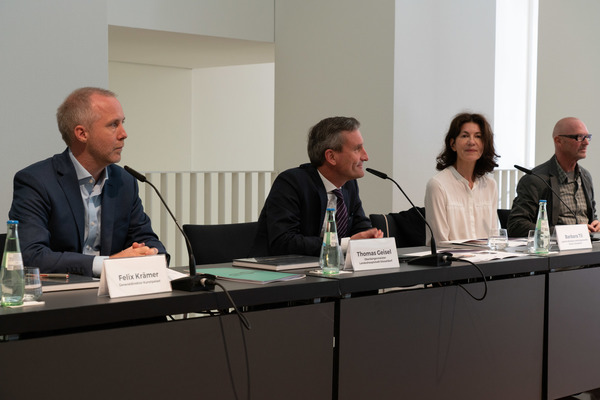
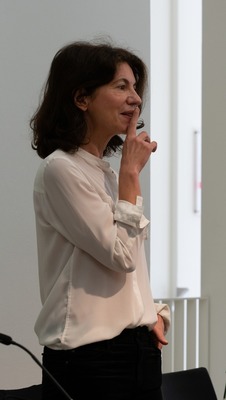






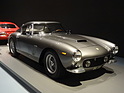
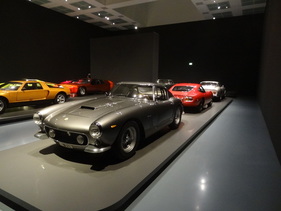
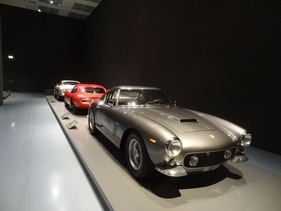

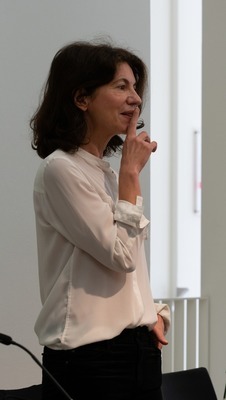
The Kunstpalast in Düsseldorf on the banks of the Rhine is a municipal museum with a large sculpture department, which is managed by deputy director Barbara Til.
The museum's general director is Felix Krämer, who moved to Düsseldorf from the Städel Museum in Frankfurt and defines the museum's orientation as follows: "We want to present and communicate art to a broad, international public. We pursue a broad concept of art that goes beyond the traditional art canon. We take up contemporary themes and provide impulses that open up new perspectives."
Car as art
One theme of the times is the realization that "the automobile can be art under certain circumstances". (loosely based on Kurt Schwitters, who said this about typography).
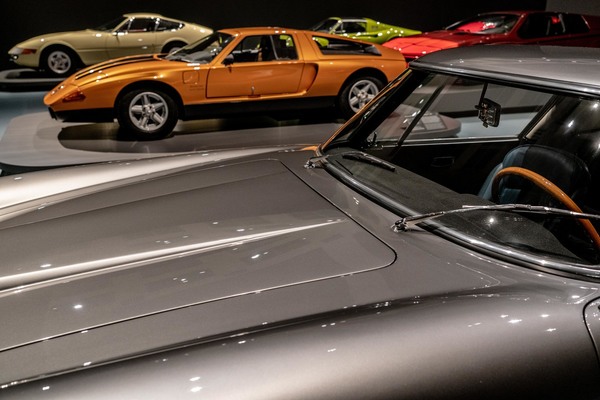
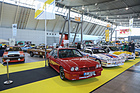
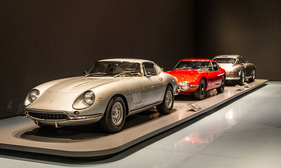
If Villa d'Este, Amelia Island or Pebble Beach are open-air events with thematically selected vehicles, the exhibition company MCH presented selected vehicles in a designed environment appropriate to the art business with the Grand Basel organized in September 2018.
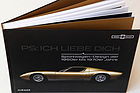
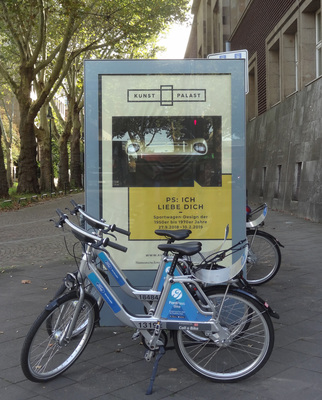
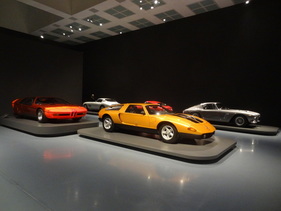
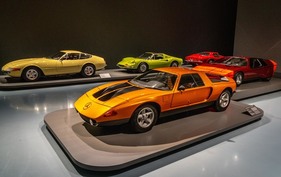
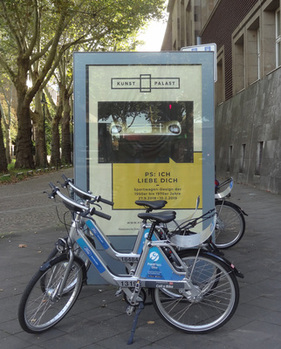
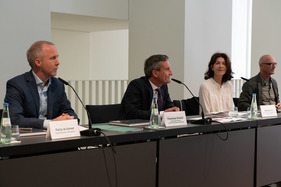
The concept of the Kunstpalast Düsseldorf with the exhibition "PS:. I love you. Sports car design of the 1950s - 1970s", which will run from September 27, 2018, is what automotive historian Martin Schröder tries to convey in an interview with the exhibition curator, Barbara Til.
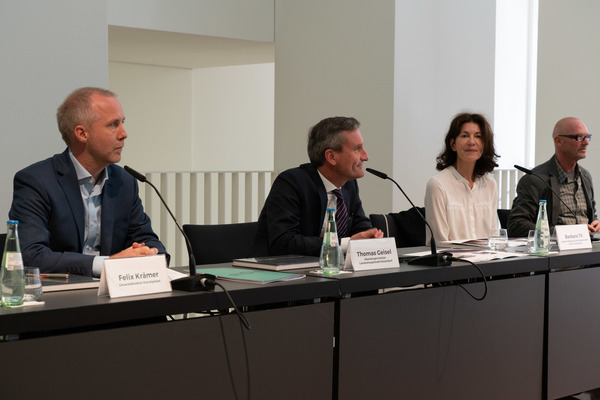
In conversation with the exhibition curator
Martin Schröder: Ms. Til, the exhibition we want to talk to you about today was announced under the title "Cars - Driven by Design". On the Museum Kunstpalast website, the second title is now "PS: I love you". What applies now?
Barbara Til: The exhibition is entitled "PS: I love you - sports car design from the 1950s to the 1970s". This is a deliberately ambiguous title, which can also be pronounced with a wink.
MS: The second title in its double meaning is particularly applicable to Germans, because after soccer, cars are considered to be the Germans' favorite hobby. Who do we have to thank for the exhibition, whose idea is it?
BT: The basic idea came from our new General Director, Felix Krämer. The starting point was the idea of creating an exhibition on the theme of the automobile, one of the most successful design objects of the 20th century! And as I'm head of the Sculpture and Design department here at the museum and am also very interested in cars, I spontaneously took up the suggestion.
My first idea was to develop an exhibition on the important Italian coachbuilders and design studios Pininfarina, Bertone and Zagato, which influenced not only European but also American car design after the Second World War. However, some German and English designers would not have been included, which is another reason why we decided to focus on sports cars from the 1950s to 1970s.
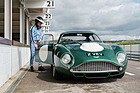
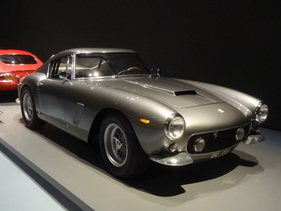
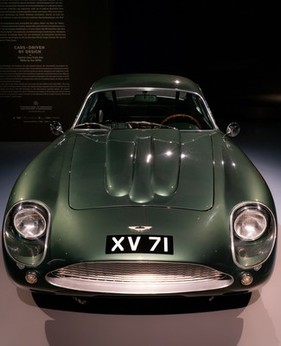
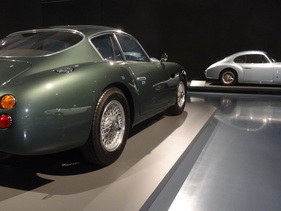
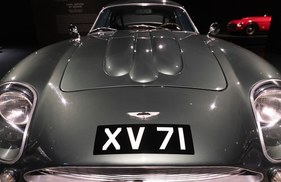
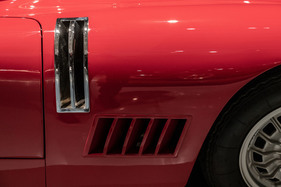
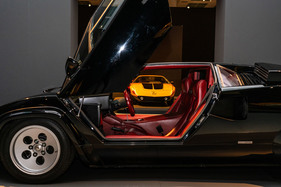
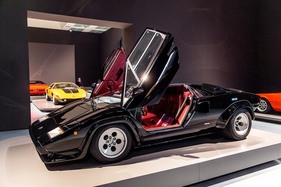
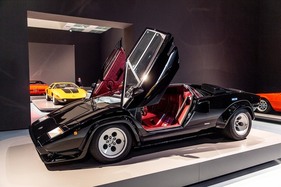
The topic of sports cars because here, more than in other areas of vehicle construction, designers were able to give free rein to their creativity and aesthetic design became the central argument. In addition, this period is generally regarded as the golden age of automobile design, in which a great deal of free design was possible, from the small 750 cc sports car by Abarth, Stanguellini or Moretti to Aston Martin Zagato, Ferrari 250 GT, Bizzarrini and the Lamborghini Countach, to name but a few.
Think in particular of Zagato with its Dobbia-Gobba roof structure, which arose out of necessity - to accommodate a driver plus helmet in a small sports car - and which then became a trademark. Nor should we necessarily imagine only beautiful and elegant designs - just look at the wedge-shaped Alfa Romeo SZ with its small windows - but in any case extraordinary ones, and that is what we also want to convey in the exhibition.
MS: You are head of the sculpture and design department at the Kunstpalast. Do you consider the automobiles shown in the exhibition to be sculptures in the sense of "Rolling Sculpture", as defined in the 1951 exhibition "8 Automobiles" at the Museum of Modern Art?
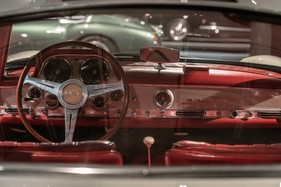
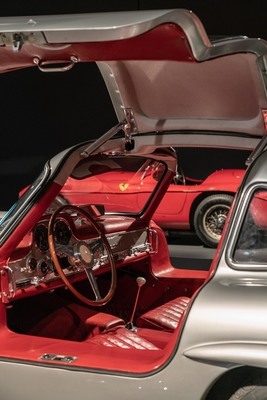
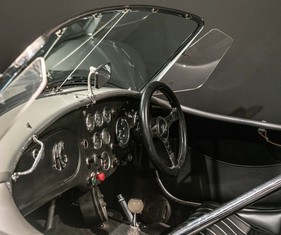
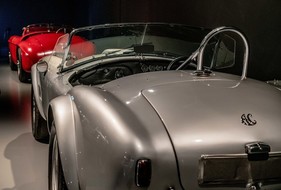
BT: Rolling sculpture is certainly not wrong, but I would prefer the term "synaesthetic objects/sculptures". Because a car doesn't just consist of the body; its aesthetic appearance also includes the engine, drive, interior, smell and acoustics. Just think of the incredible 'rumble' of an AC Cobra, an Aston Martin or a Maserati, aspects that make up part of the quality of these cars.
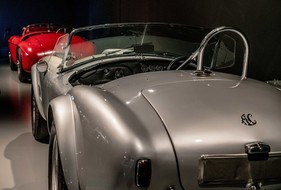
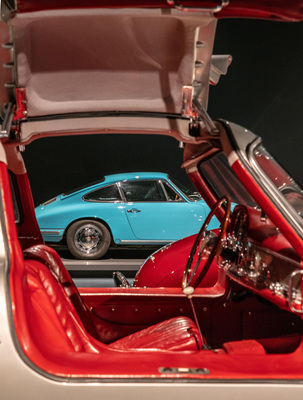
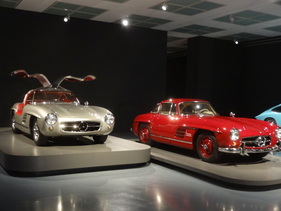
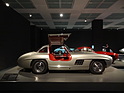
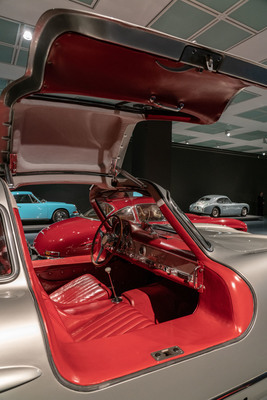
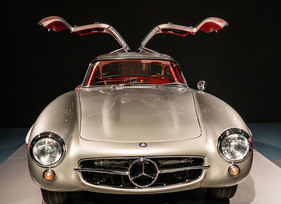
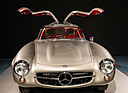
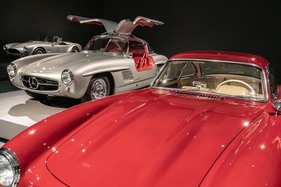
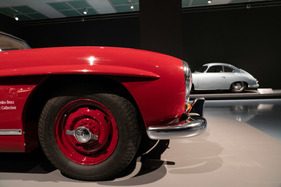
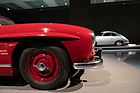
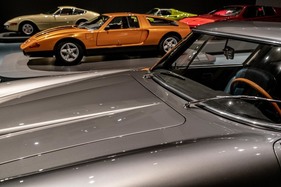
We will convey this typical sound for each car via the various media stations, among other things. Color also plays a very special role in emotionality and perception. We want to make this clear, for example, by presenting two identical Mercedes 300 SL Coupés, one in silver and one in Bordeaux red, side by side.
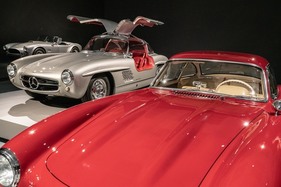
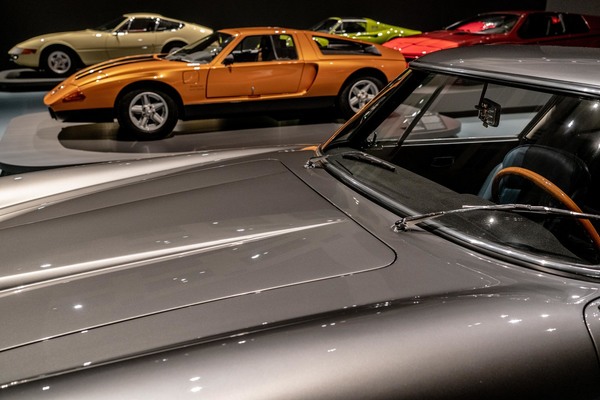
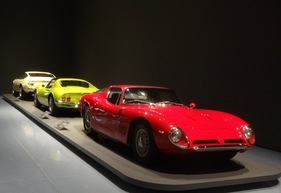
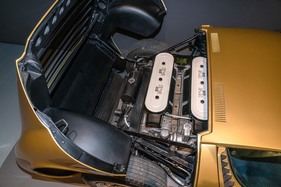
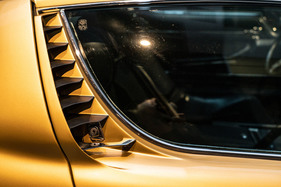
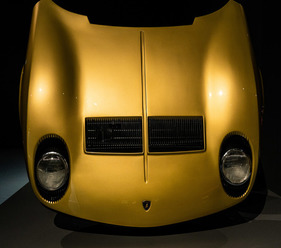
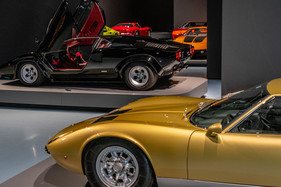
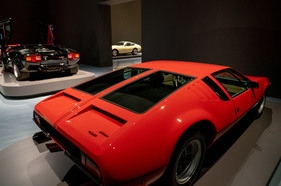
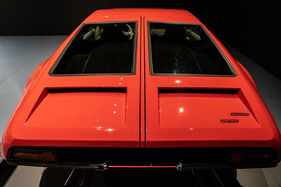
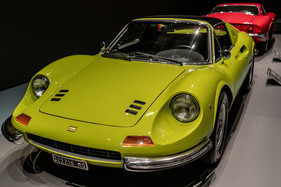
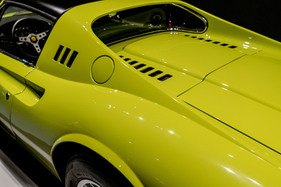
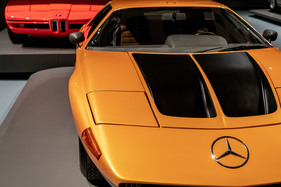
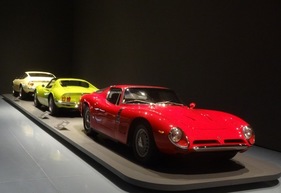
At Mercedes, the color silver is inextricably linked with the racing sports cars, the Silver Arrows. With the development of the design from the biomorphic, curvy, organic and aerodynamic shapes to an angular, flat, geometric, thoroughly aggressive and masculine design, the color scheme also changed from the pastel, more muted colors of the fifties to the bright, colorful ones of the seventies: the Dino 246 GT in fresh green, the De Tomaso Mangusta in strong orange or the first Countach in bright yellow.
MS: Once again our question about the "synaesthetics" of the objects: The unity of the four components certainly applies to some of the exhibits, but not to all of them, just think of the Cisitalia and the Porsche 356, which are based on Fiat and VW technology respectively, i.e. mass-produced technology.
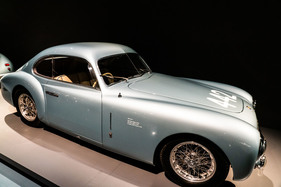
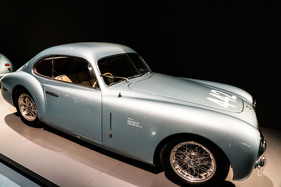
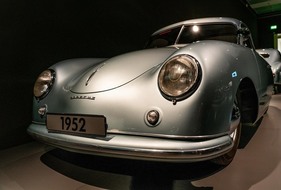
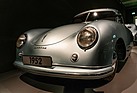
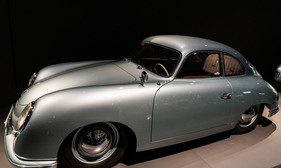
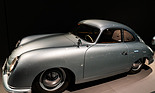
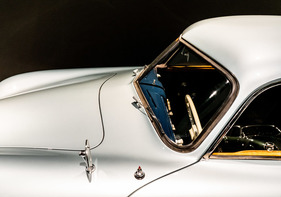
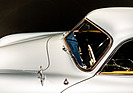
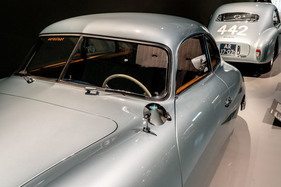
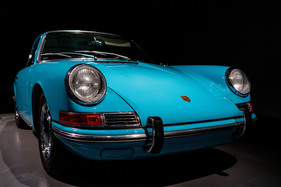
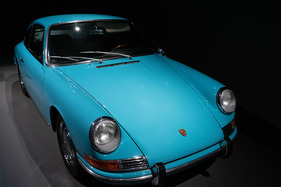
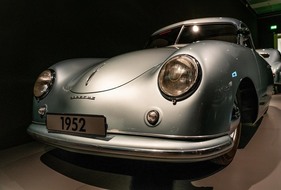
BT: Technology and aesthetics are interdependent. In the Cisitalia and Porsche 356, the engines are also interesting, but the focus here is on the changed proportions in the body design. For example, the fenders of both vehicles are integrated into the bodywork, as are the headlights in the front section - a novelty after the Second World War and a style-defining feature of modern car design.
MS: The exhibits are, of course, on loan. What criteria were used to select them, formal or availability?
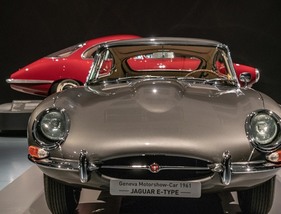
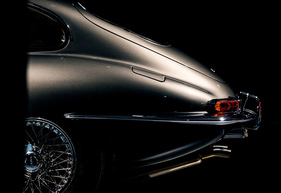
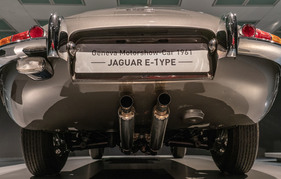
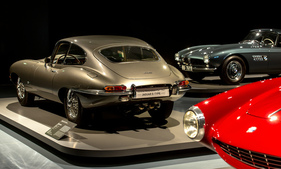
BT: Clearly according to formal considerations. Various vehicles come from Düsseldorf and the surrounding area, and of course the major car museums have actively supported us. But there were always problems getting exactly the type of vehicle we had in mind for the exhibition. It took time to find a Jaguar E-Type Coupé from the first series. Now, however, we have a very special example, namely the exhibition car from the 1961 Geneva Motor Show.
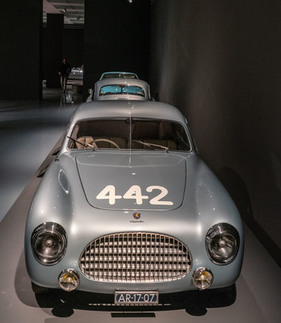
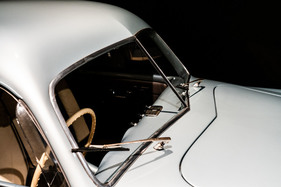
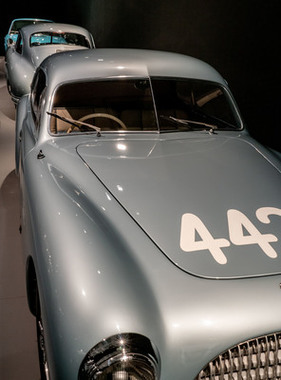
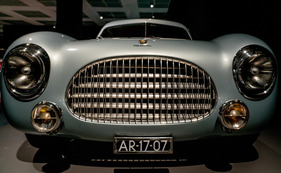
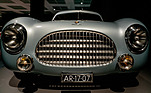
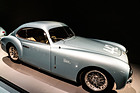
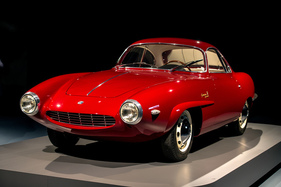
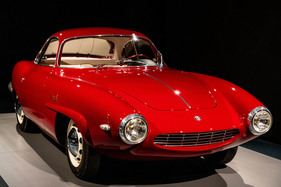
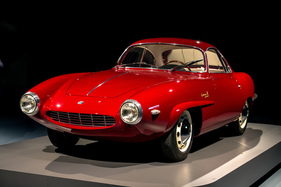
It also proved difficult to find a suitable Cisitalia 202 Berlinetta, which was very important to us, even though it was designed by Pinin Farina back in 1946. Its design language is paradigmatic for the development of modern car design after the Second World War.
MS: The exhibition presents car bodies from the 1950s to the 1970s, in other words what is legally referred to as a classic car. If we divide car enthusiasts into the two groups of trade fair and event visitors - for example Techno Classica and Schloss Dyck - and other interested parties, which target group are you addressing with the exhibition?
BT: Of course, middle-aged men are particularly attracted to the car theme. However, I can well imagine that we will reach both a younger and a female audience with the sports cars and the way we present them. The topic of cars is now more polarizing than ever, as not only is the conventional combustion engine increasingly becoming a thing of the past, but the effects of mass motorization will also greatly change our relationship to mobility.
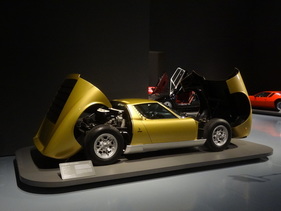
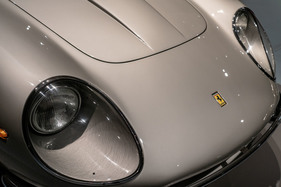
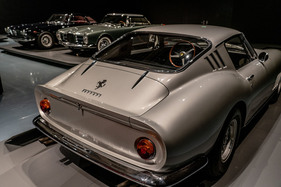
The focus of the exhibition is on the sculptural-aesthetic aspects of car design. We are showing the proverbial avant-garde of automotive design - the sports car! In addition to the spectacular cars, the exhibition will also give the public an understanding of the designers, their work based on designs and the aesthetic and historical context of the vehicles through pictures and films. Each exhibit is accompanied by information that can be accessed at the respective media stations.
MS: In the press and media in Germany, the subject of cars and culture is generally referred to as "driving culture" at best. It is now 35 years since Axel von Saldern presented the Bugatti family - Carlo for furniture, Rembrandt for sculptures and Ettore and son Jean for automobiles - as artists at the Museum für Handwerk und Kunst in Hamburg, in 1994 the Neue Nationalgalerie Berlin showed "L'Idea Ferrari" and finally in 2011 the Marta Herford presented the Dymaxion Car as part of a Buckminster Fuller exhibition. You have now selected a much broader spectrum. Without going through the exhibits in detail, perhaps you could tell our readers about the special features of some of the highlights?
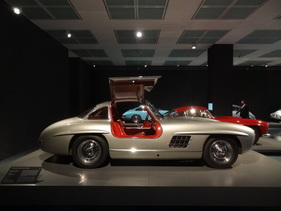
BT: As already mentioned, the Cisitalia 202 Berlinetta is the first one, followed of course by the Porsche 356, which looks somewhat baroque in comparison to the Cisitalia, as the body overhangs very much due to the narrow track of the VW chassis. The modernity of the Pininfarina design is particularly evident when you see the two vehicles side by side, while the outstanding feature of the 356 body designed by Erwin Komenda is the flat, flowing silhouette, with emphasis on the rear section, which is still recognizable even after 70 years. Another highlight is of course the eternal classic, the Mercedes 300 SL Coupé.
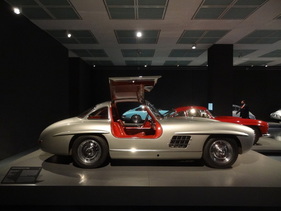
MS: You mention the Mercedes 300 SL Coupé, commonly known as the Gullwing, whose bodywork has now also been recognized by the courts as "applied art" since the ruling of the Stuttgart Higher Regional Court and is therefore subject to copyright law. How many automotive exhibits are on show?
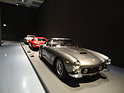
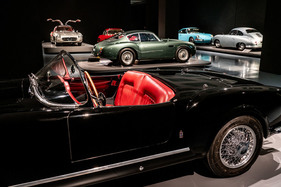
BT: The 29 exhibits include 24 closed coupés as pure two- or two-plus-two-seaters and five open-top spiders or convertibles. All are sporty cars, some were also used in races.
MS: Is it fair to say that a sporty car simply lends itself to a special body design?
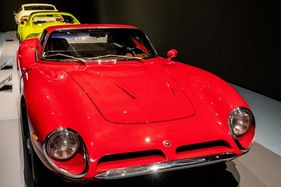
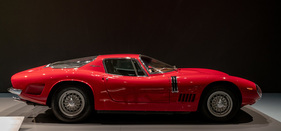
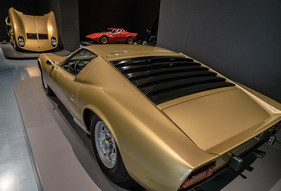
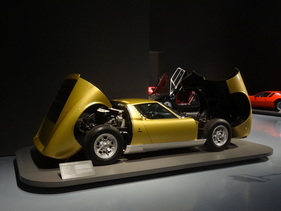
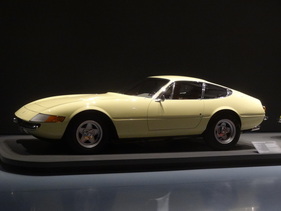
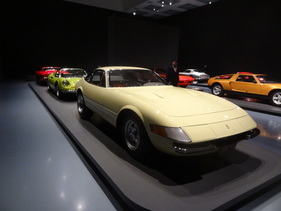
BT: The 'Barchetta shape' is certainly predestined for racing. And there is no doubt that the flat, wedge-shaped cars from the mid-1960s onwards suggest speed and dynamism simply by virtue of their shape. Vehicles such as the Lamborghini Miura, the Ferrari Daytona or the Bizzarrini cannot deny their relationship to racing; they can certainly be described as racing cars converted for the road.
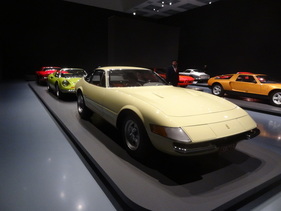
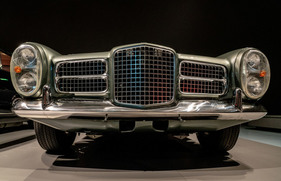
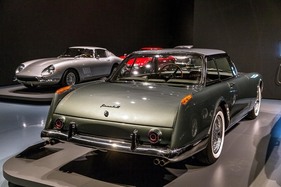
In addition to the so-called 'classic sports cars', we also show lesser-known models such as the Facel Vega II or the Maserati 5000 GT - sports car coupés in the classic shape of the notchback - but a glance at the elongated hood reveals their true qualities. Or one of the first sports cars from the Far East, the Toyota 2000 GT.
MS: It will be interesting to see the different appearance of the handcrafted bodies compared to the industrially produced ones. Our question is whether design or construction drawings will also be shown?
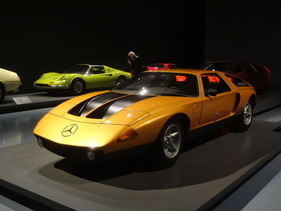
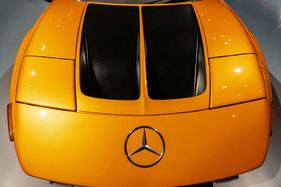
BT: Yes, some of them will be available at the media stations, but not for all vehicles, firstly because they were not kept for all vehicles, and secondly because there were designers who did not draw so precisely, but implemented their design directly, such as Scaglietti. We will also be showing certain vehicle prototypes and concept cars such as the Mercedes C111 and the BMW Turbo.
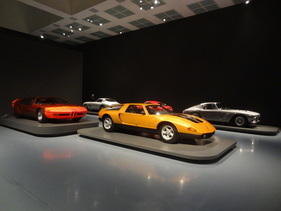
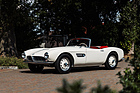
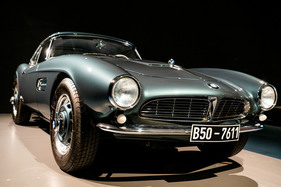
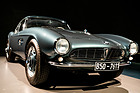
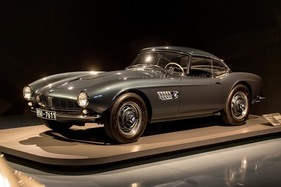
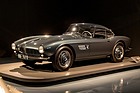
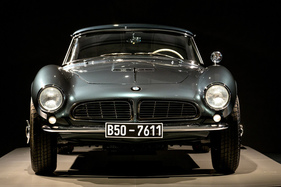
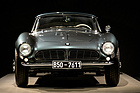
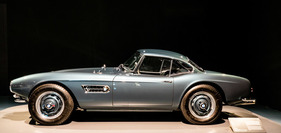
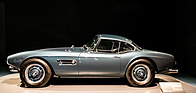
MS: If we look at the selection in terms of the number of cars built, it ranges from the prototype stage to a few hand-built one-offs to a series of 1400 gullwing doors and even large-scale production in the case of the Porsche 356 and Jaguar E-Type. However, there are also examples of small numbers due to a lack of sales at the time. One example is the BMW 507, which in its day was a direct competitor to the 300 SL Roadster and was not well received by the public. So it is a question of reception, in this case a lack of reception, which can be seen throughout the history of art.
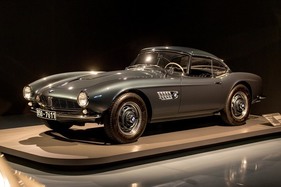
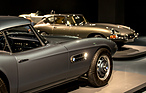
If we look at the 507 with our current viewing habits, it appears downright youthful and slender next to the somewhat sedate 300 SL Roadster. This leads to our question about the presentation of the vehicles in the exhibition?
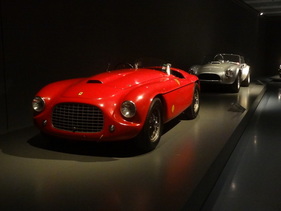
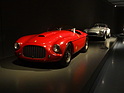
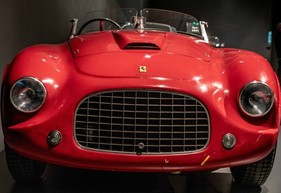
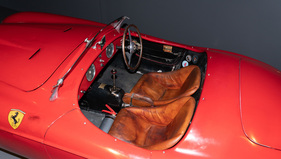
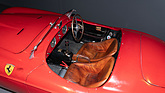
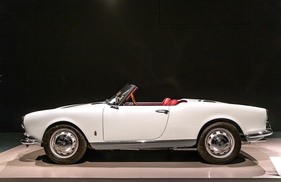
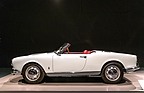
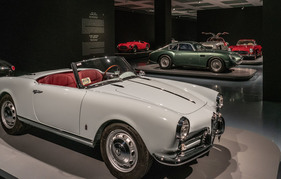
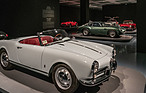
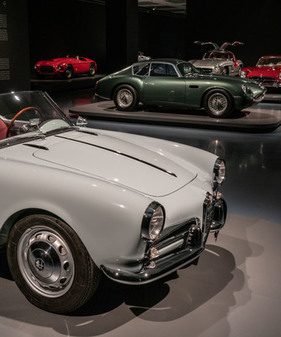
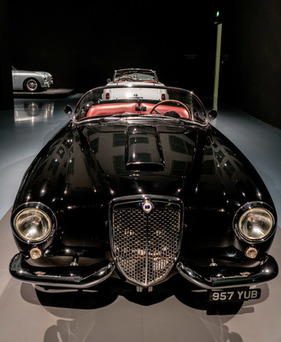
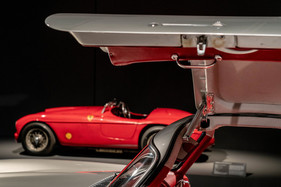
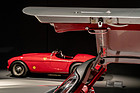
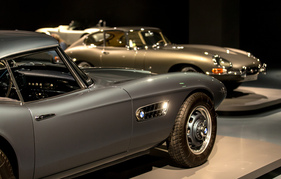
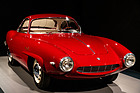
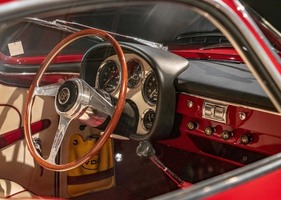
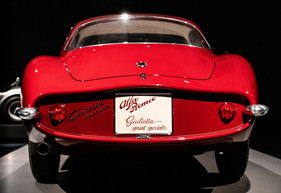
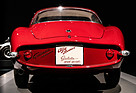
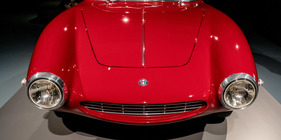
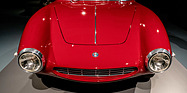
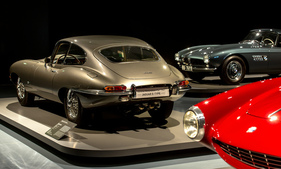
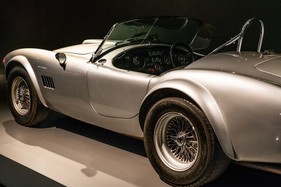
BT: There are various 'narrative strands' in the exhibition: e.g. racing, prototypes or luxury vehicles, but above all formal aesthetic aspects are in the foreground. For example, the futuristic-looking Alfa Romeo Giulietta SS with its long bonnet and sweeping rear end is presented together with the Jaguar E-Type, whose design was inspired not least by the Alfa. It is also exciting to see the Ferrari 166 MM Barchetta side by side with the 'English Barchetta variant' of the AC Cobra.
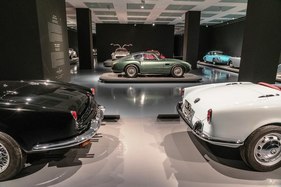
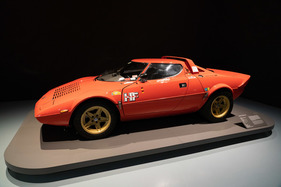
In addition to designers such as Battista Pinin Farina, Franco Scaglione, Albrecht Graf Goertz and Malcome Sayer, who represent the fifties and early sixties, particular attention is paid to the designers Marcello Gandini and Giorgetto Giugiaro with their geometric, wedge-shaped sports cars, which heralded a new era in car design.
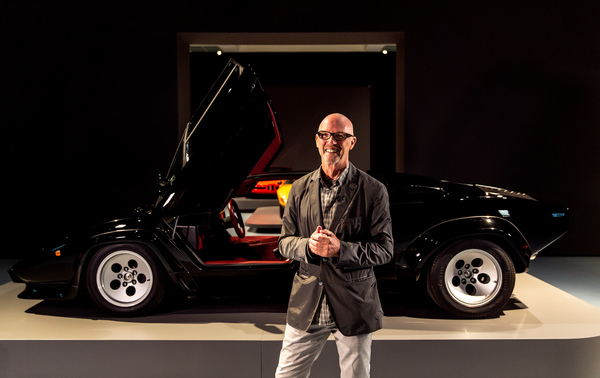
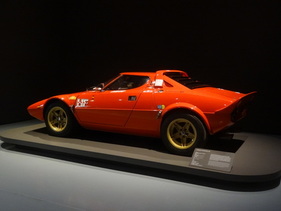
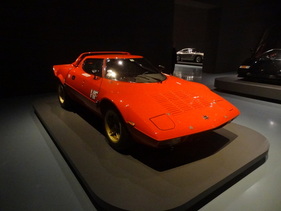
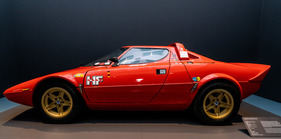
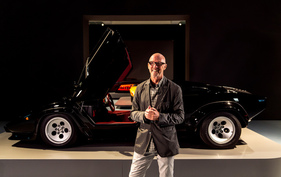
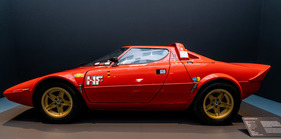
Interesting here, for example, is the 'juxtaposition' of the Lamborghini Countach with the Lancia Stratos, designed like a 'double wedge', which highlights the sculptural presence of these cars in a very exemplary way.
MS: Now you have given our readers the opportunity to take a different look at cars and experience them in an unusual setting. Thank you for that.
The exhibition runs until February 10, 2019. Further information can be found on the museum's website.