
The Swiss architect Le Corbusier raved about car construction. For him, a car was an efficiently manufactured machine reduced to the bare essentials. In the early 1920s, around a hundred years ago, he asked whether it wouldn't be wonderful if houses were built as modern as cars.
Le Corbusier thus summed up one of the demands of New Building: architecture should be functional and standardized. Just as Henry Ford had introduced rational mass production on the assembly line in automobile construction in 1913, houses and furniture should also be produced as cheaply and simply as possible - thanks to prefabrication in series. After the First World War, thriftiness was the order of the day.
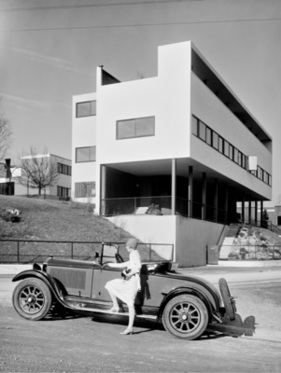
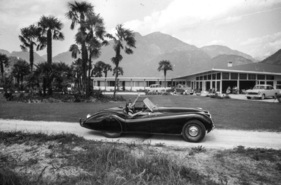
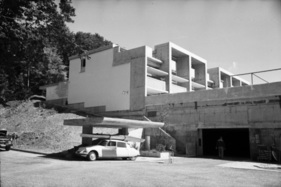
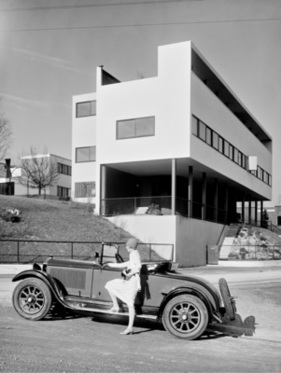
The foresight of Le Cobusier and similarly minded architects is particularly evident when the automobiles built at the time are photographed in front of "Neues Bauen" buildings, as was done for a Mercedes-Benz advertisement in 1928. In terms of form, the building seems to be miles (or rather decades) ahead of the automobile.
This impression is always created when architecture and the automobile are brought together.
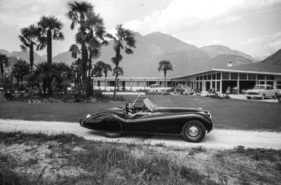
The fact that buildings are often perceived as much more modern than cars from the same period is perhaps also due to the fact that houses always remain visible, while cars disappear and only appear on the road as classic cars from time to time.
Car before architecture
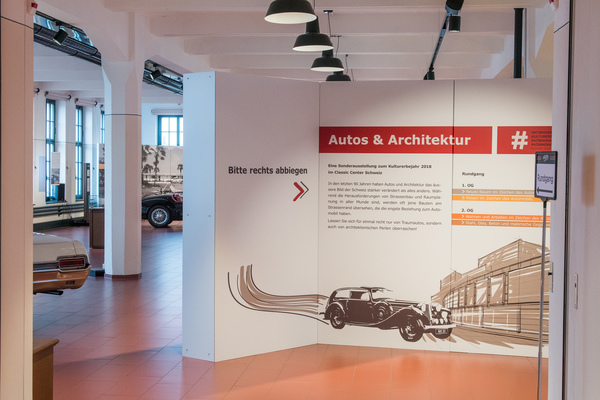
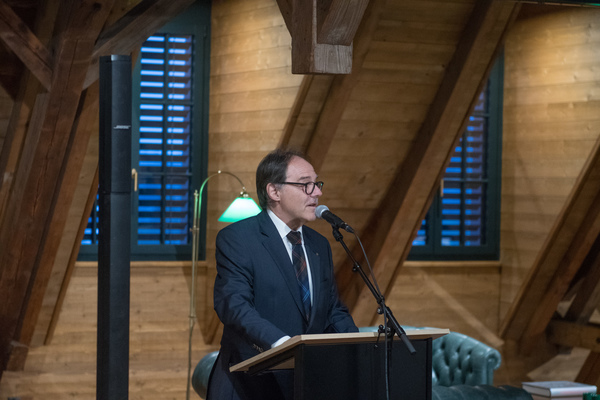
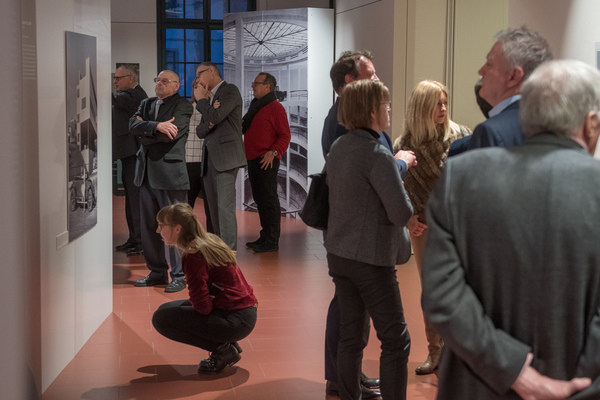
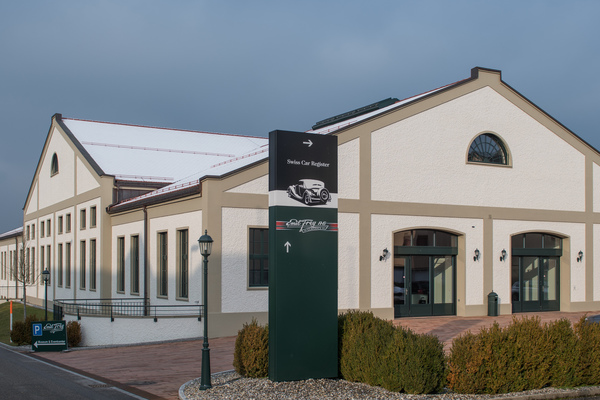
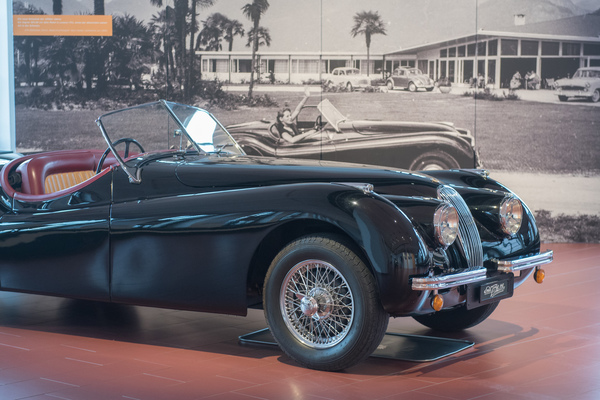
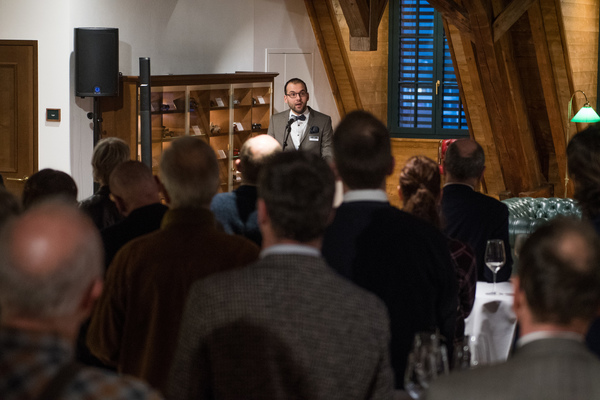
Simon Bundi, curator at the Emil Frey Classic Center, brings the two themes - architecture and automobiles - together in the new special exhibition in Safenwil.
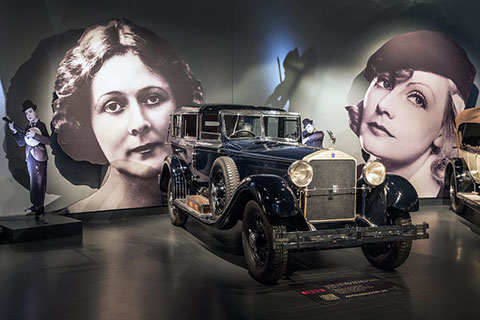
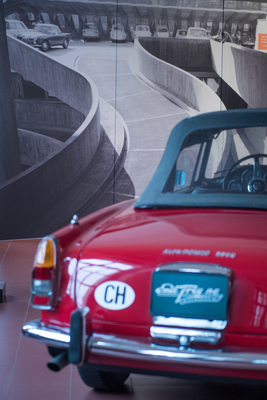
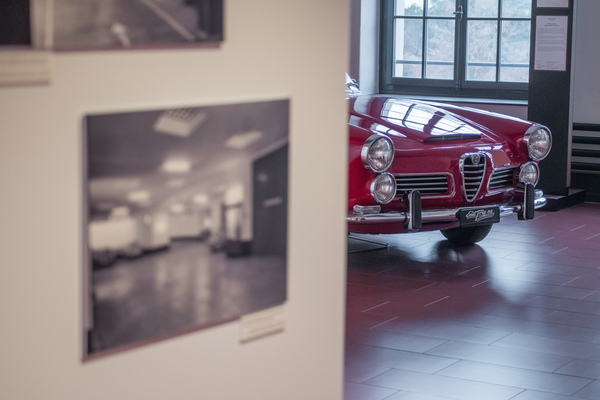
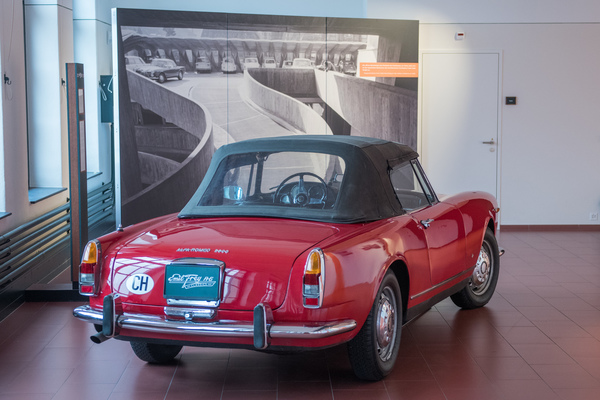
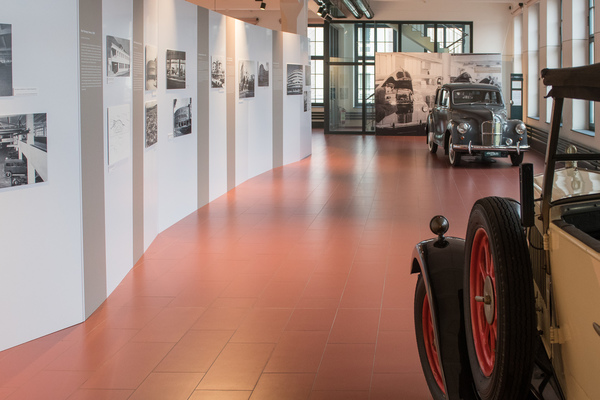
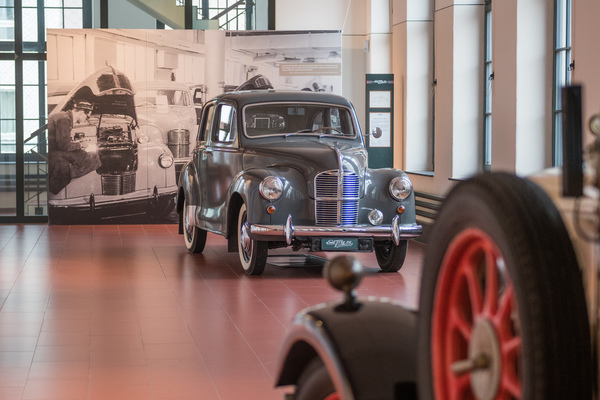
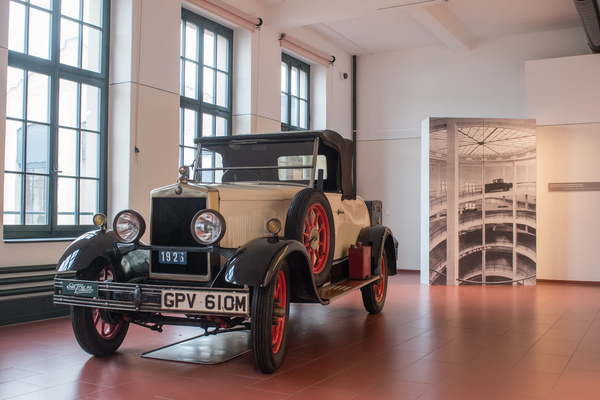
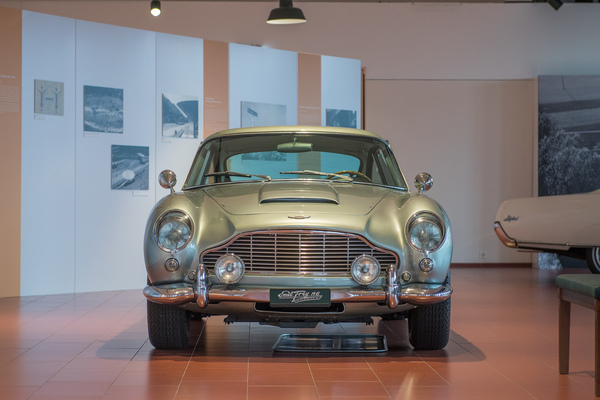
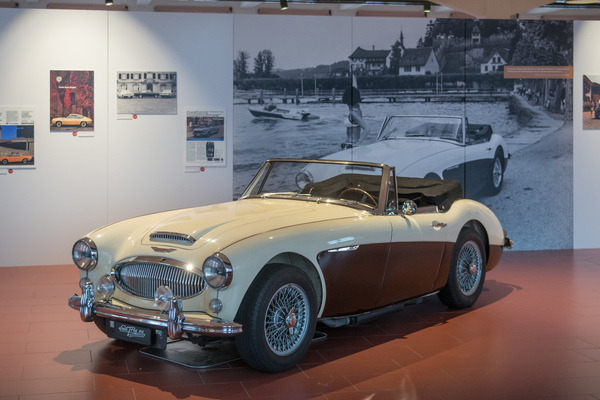
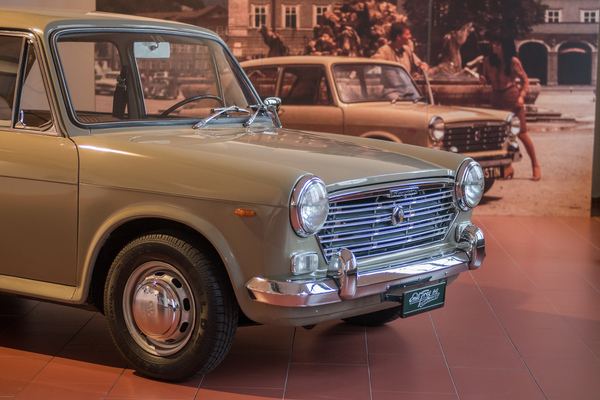
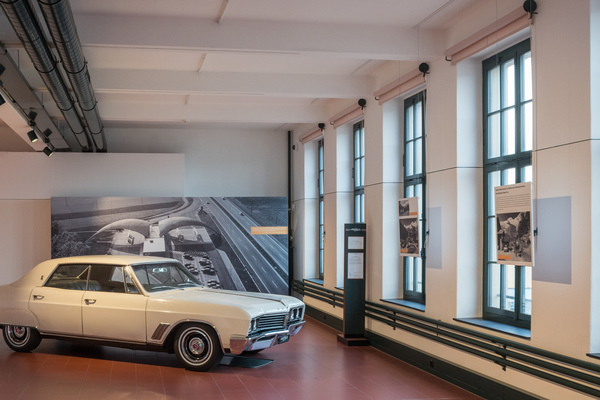
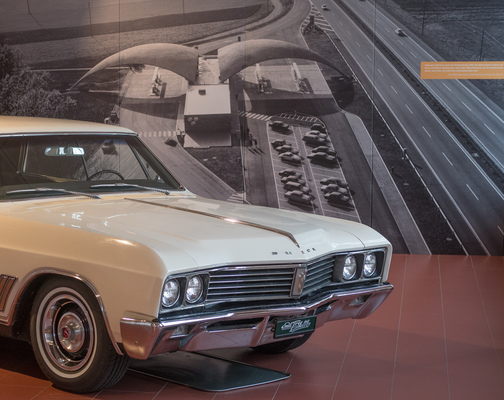
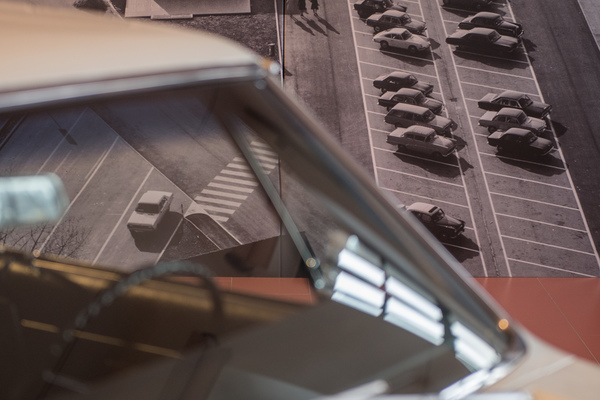
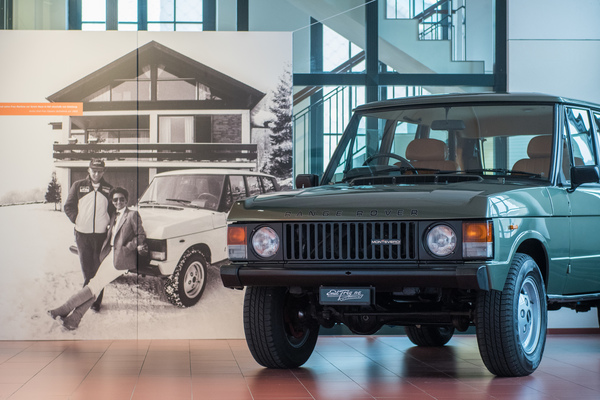
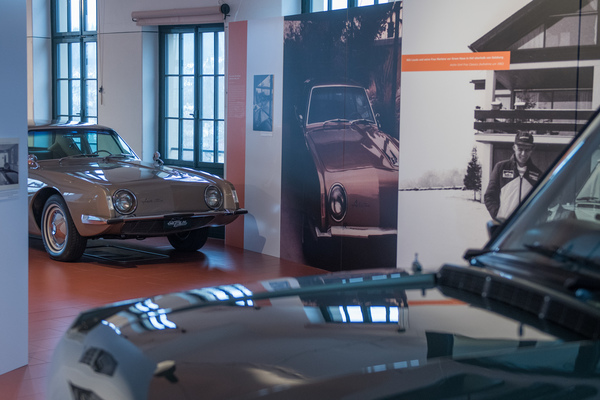
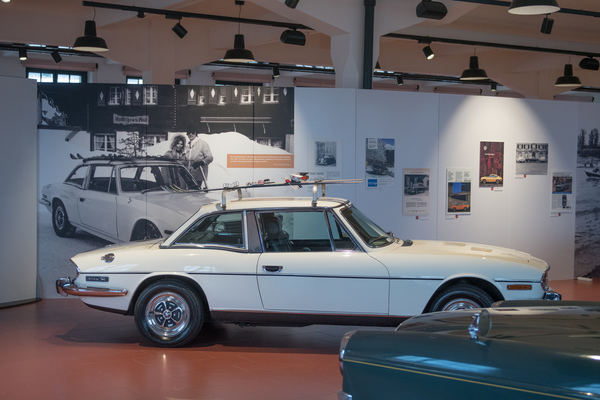
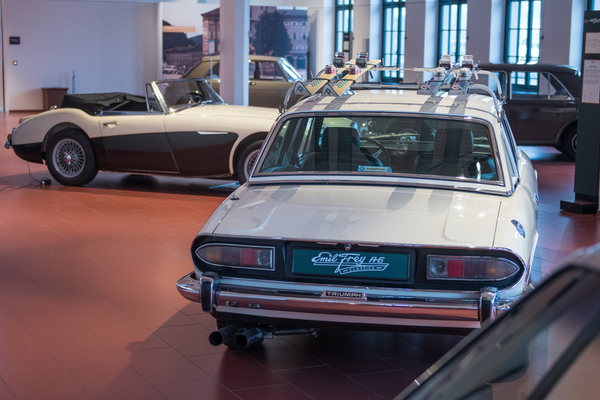
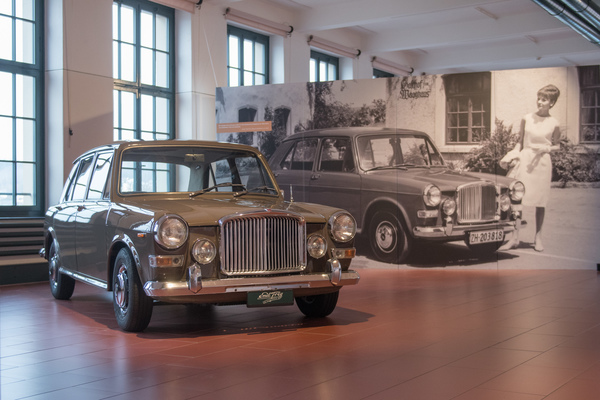
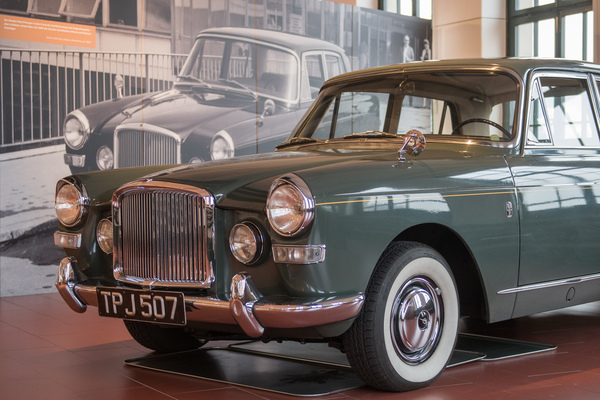
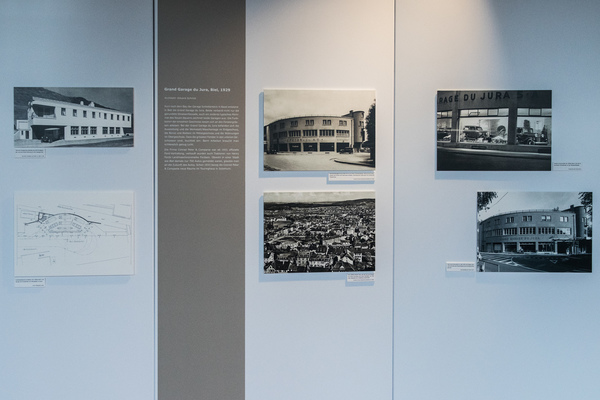
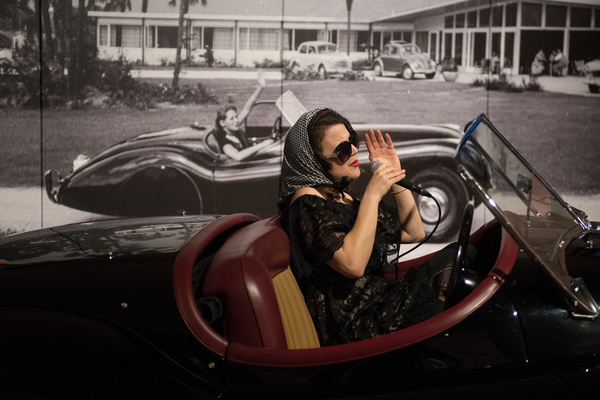
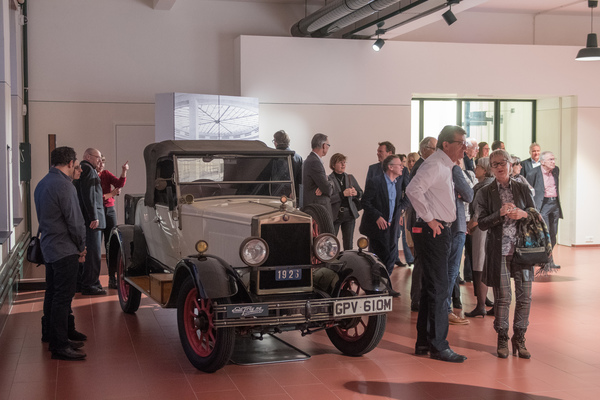
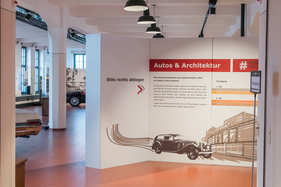
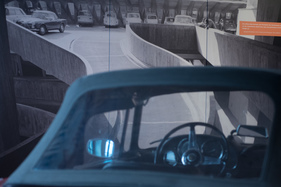
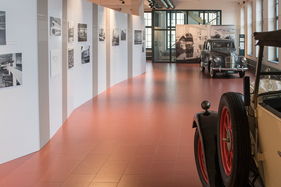
The occasion for this was provided by the European Year of Cultural Heritage, which was initiated in Switzerland by the Federal Office of Culture. In the special exhibition at the Emil Frey Museum, fascinating buildings are shown together with automobiles from the period.
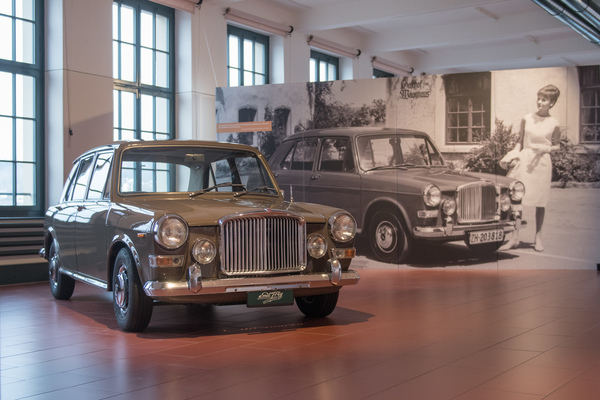
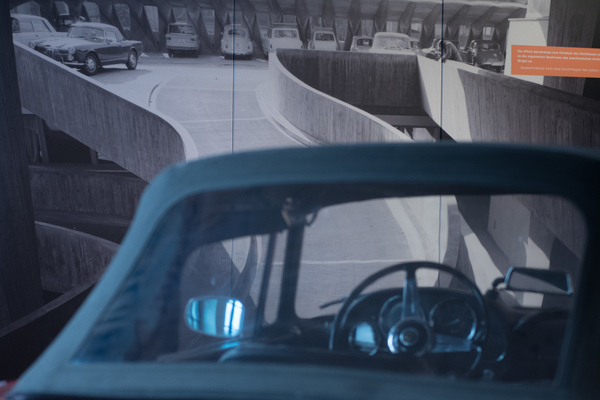
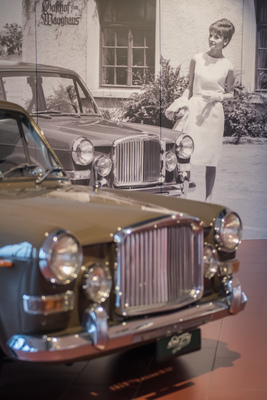
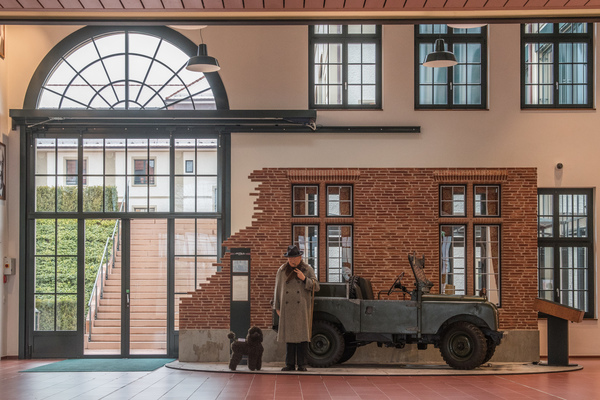
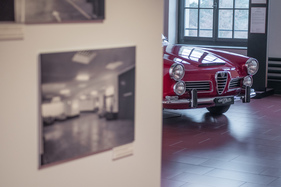
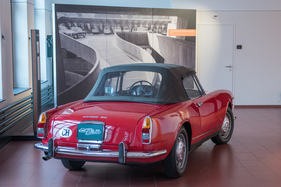
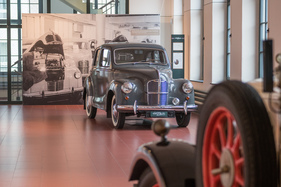
With a great deal of patience and dedication, cars were tracked down that were also shown in the photographs at the time. The models were to be exactly the same as those in the pictures, regardless of whether or not they were brands imported/sold by Emil Frey. The exhibition organizers cannot be blamed for the fact that some consideration was nevertheless given to the "own" brands.
Architecture for the car
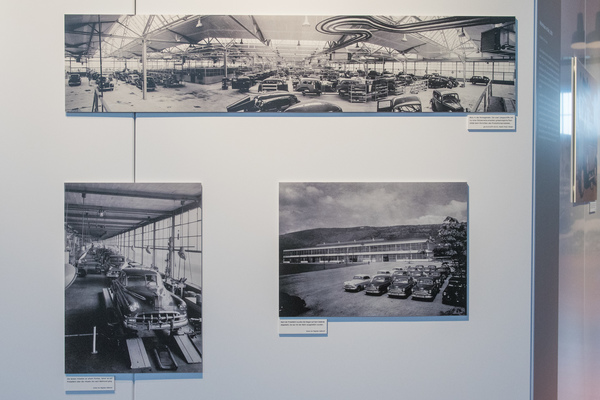
What can visitors to the exhibition expect? In any case, they will come across exciting architectural achievements, such as the large Schlotterbeck garage, as it once stood in Basel, or the "Industriehof", which once served as Emil Frey's first car dealership. Another highlight of Neues Bauen was the Zett-Haus on Stauffacher, a spectacular building with a curved façade, a cinema with a convertible roof and an underground garage with a car turntable. Emil Frey ran a garage here in the 1950s and prepared the imported Austin cars for delivery.
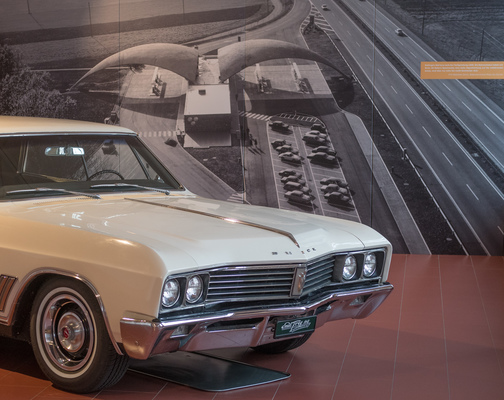
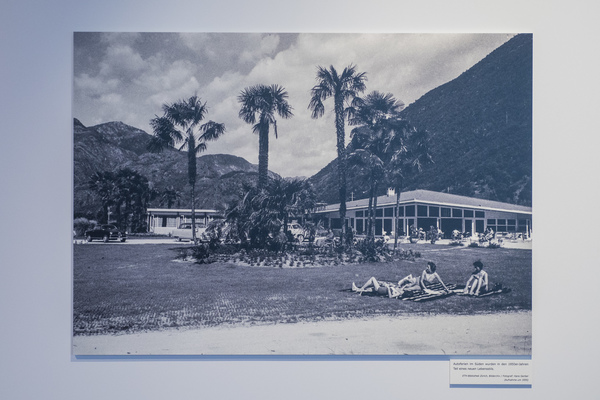
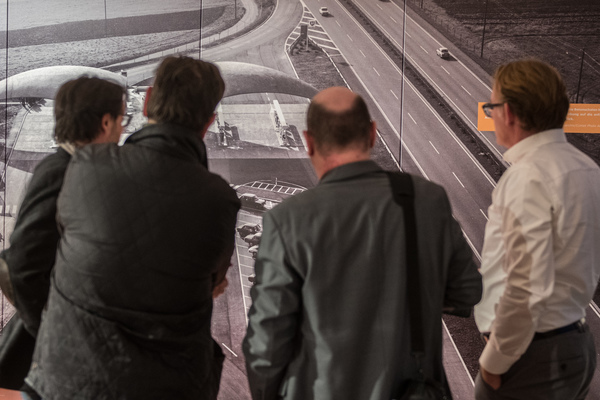
In the 1950s, however, petrol stations, service stations, parking garages, commercial buildings and other commercial buildings were also built that made a name for themselves architecturally. And time and again they were staged together with cars, as the exhibition in Safenwil now does.
A journey through time
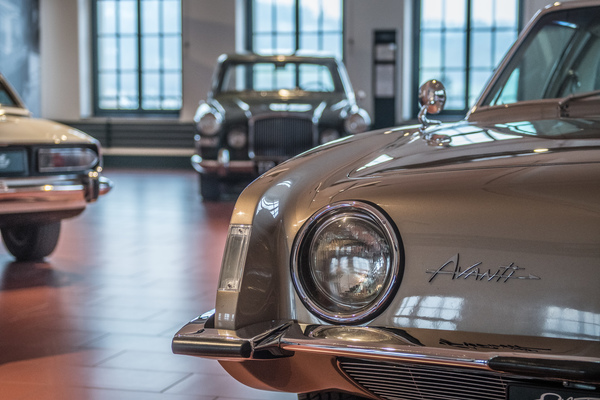
You should allow yourself a little time on the two floors of the museum to take in the architecture and automobiles, read the carefully written explanatory texts and immerse yourself in the world of that time. Of course, you can also learn a lot about the cars, such as the Studebaker Avanti or the Triumph Stag.
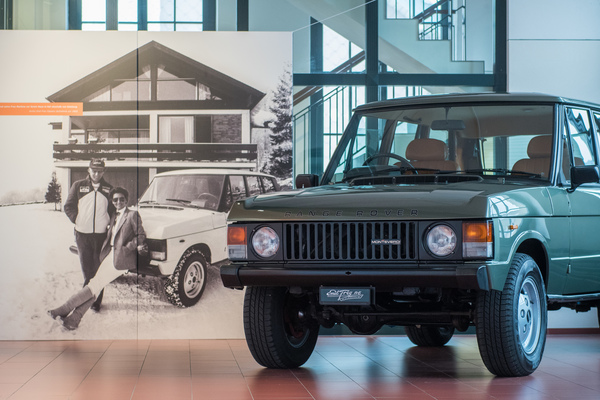
It is also interesting to take a look at the advertising images of the sixties and seventies, which effectively showcased vehicles and buildings. Especially from the 1960s onwards, advertising photographers often preferred historical buildings as background motifs instead of modern buildings made of steel, concrete and glass, which were probably experiencing their biggest boom at the time.
Almost permanently open
The exhibition is open until June 30, 2018 and during normal museum opening hours. It is best to check the website of the Emil Frey Classic Center to find out when is a good time to visit and how much admission costs or guided tours are available.
However, we would like to draw your attention to one special day: 13 May 2018 is International Museum Day and there is also a Sunday brunch at the Classic Center.