Technology in race cars (17): Lotus 49 - Motor car


You have only
1 out of 44
images seen in high resolution
Summary
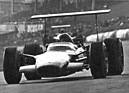
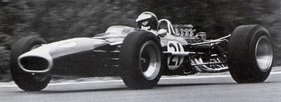
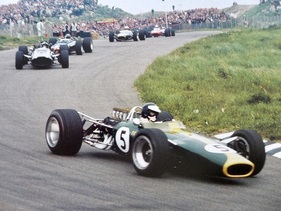
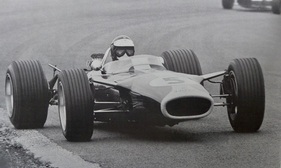
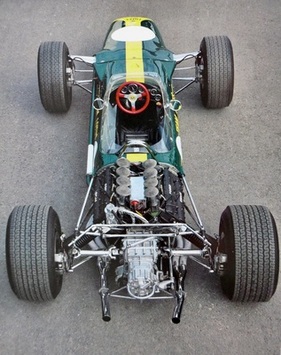
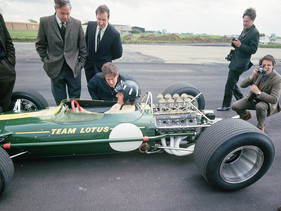
In 1967, the experimental racing team led by Colin Chapman launched the Lotus 49, a monoposto that revolutionized Formula 1 in several ways. The ingenious Ford-Cosworth V8 engine was particularly ground-breaking and shaped the premier class in the years that followed. But Lotus also did pioneering work in aerodynamic terms with the further development of the Type 49. The 17th episode of the series "Technology in racing cars" deals with the Lotus 49 and the Ford-Cosworth DFV.
This article contains the following chapters
- The engine of success: Ford-Cosworth DFV
- How to build the engine of the century
- Key role
- A chassis for champions
- Always fast, but not always at the finish line
- The rise of downforce
- Expansion stage 1
- Expansion stage 2
- Expansion stage 3
Estimated reading time: 12min
Preview (beginning of the article)
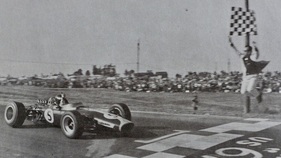
The years 1958-1978 were the two most creative decades in the history of racing technology. This series portrays the most innovative, pioneering and exotic designs of Formula 1, Indy cars, sports cars and Can-Am, and at the same time traces the major lines of development that still have an impact today. The series started with Lotus, one of the most important innovation drivers of these two decades. And the series will also finish with Lotus: With the first ground-effect Formula 1 to win a world championship in 1978, the Type 79. The debut of this completely new car with a likewise completely new engine at the Dutch Grand Prix in Zandvoort in 1967 was sensational: Graham Hill took pole position in the first race and Jim Clark won in superior style. There had not been anything like it since 1954 with the Mercedes-Benz W196. A new era had begun in Formula 1 - the Cosworth era: the three-liter V8 engine, which was self-supporting, i.e. could be used without a subframe, was to record a total of 155 victories in 262 Grand Prix races in a wide variety of cars until its last success in 1983 (driven by Michele Alboreto in a Tyrrell). He won twelve Formula 1 drivers' championships and ten constructors' world championships, as well as victories at Indianapolis and Le Mans. This absolutely unique success story began with the Lotus 49.
Continue reading this article for free?
Images of this article