Technology in race cars (33): Porsche 908/03 - The maxi-minimalist


You have only
1 out of 20
images seen in high resolution



Summary
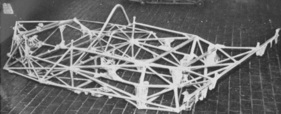
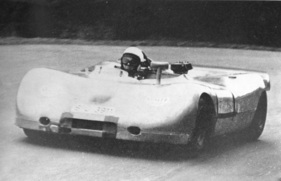
The Porsche 908/03 combined the consistent lightweight construction of a mountain racing car with the sheer power of a long-distance prototype. The career of the lightweight Spyder was short-lived, but all the more impressive for it. On demanding circuits such as the Targa Florio or the Nürburgring, it gave the 917, which was spoiled for success, no chance. This article from the series "Technology in racing cars" explains what made the 908/03 so superior.
This article contains the following chapters
- The engine
- The 908/03
- Aerodynamics
- Lightweight construction and brakes
- Three victories
Estimated reading time: 9min
Preview (beginning of the article)
The years 1958-1978 were the two most creative decades in the history of racing technology. This series portrays the most progressive, pioneering and exotic designs of Formula 1, Indy Cars, sports cars and Can-Am, and at the same time traces the major lines of development that still have an impact today. At the end of the sixties, the Porsche 908/03 transferred the maximum lightweight construction of mountain racing cars to the World Endurance Championship As early as 1968/69, during the development of the Porsche 917 , it was clear that the super sports car would be less suitable for winding tracks such as the Targa Florio or the Nürburgring-Nordschleife. Small, lightweight racing cars were irrevocably inscribed in the Porsche genes, and the 908/03 project could also build on this. In 1967, the small, lightweight 910 Bergspyder had been used, which had been slimmed down from 500 kg at the beginning of the year to 419 kg at the end of the season.
Continue reading this article for free?
Images of this article