Technology in race cars (24): Lotus 56 - 500 miles with wedges


You have only
1 out of 34
images seen in high resolution



Summary
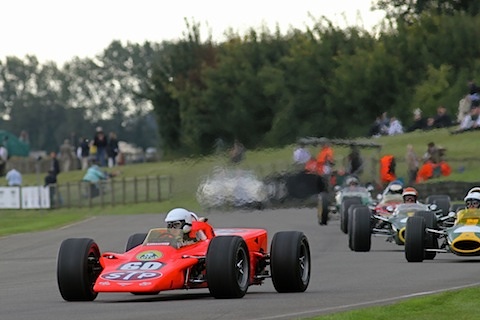
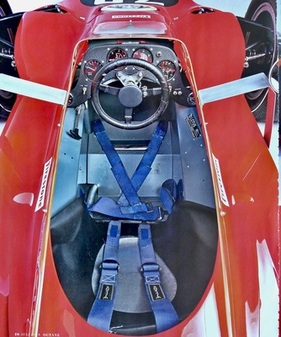
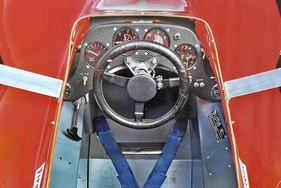
After the STP Paxton turbine car had impressively demonstrated its potential at Indianapolis in 1967, Colin Chapman also wanted to try out the new drive technology. The exterior of the car was at least as radically different as the technology. However, while the wedge shape of the bodywork caught on, the turbine drive remained a brief gimmick. This article from the series "Technology in racing cars from 1958 to 1978" looks at the Lotus 56 in detail and shows it in historical and contemporary images.
This article contains the following chapters
- The wedge - a simple solution to a complex problem
- Four-wheel drive and fatal accidents
- Fuel problems in Indianapolis
- Trials in Formula 1
- Further development canceled
Estimated reading time: 7min
Preview (beginning of the article)
The years 1958-1978 were the two most creative decades in the history of racing technology. This series portrays the most innovative, pioneering and exotic designs of Formula 1, Indy cars, sports cars and Can-Am, and at the same time traces the major lines of development that still have an impact today. The series started with Lotus, one of the most important innovation drivers of these two decades. And the series will also finish with Lotus. This time, everything revolves around an Indycar with a special drive and body shape. By the 1967 Indianapolis 500, the central engine revolution had definitely arrived and the last of the front-engine veterans had disappeared from the field. And in the same year, the next revolution was already germinating: gas turbine propulsion. Andy Granatelli - head of STP, the mineral oil additive manufacturer - launched his Paxton with four-wheel drive. A defective six-dollar part took the car, which had been leading from the start, out of the race four laps before the end.
Continue reading this article for free?
Images of this article