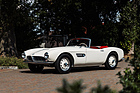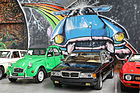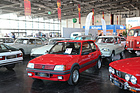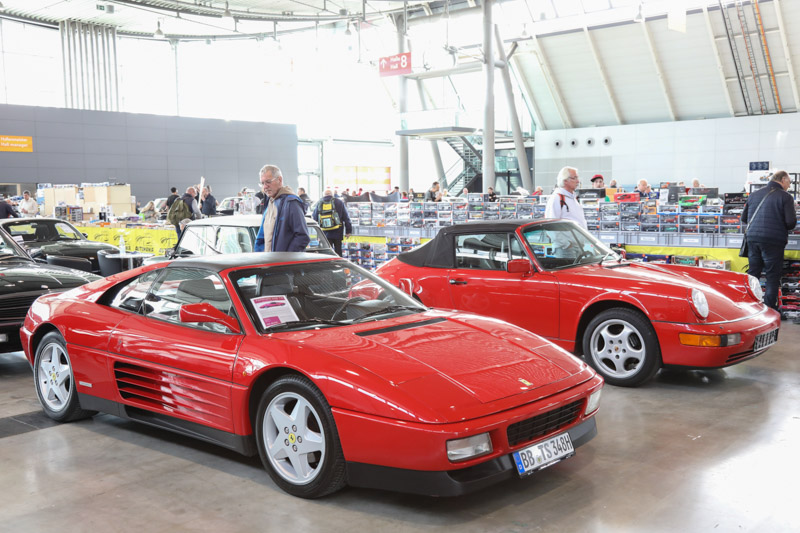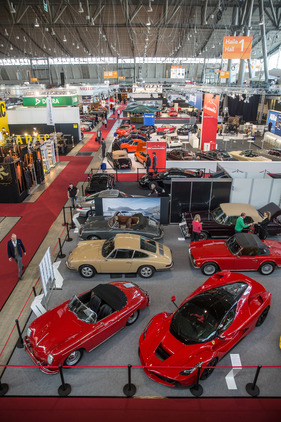
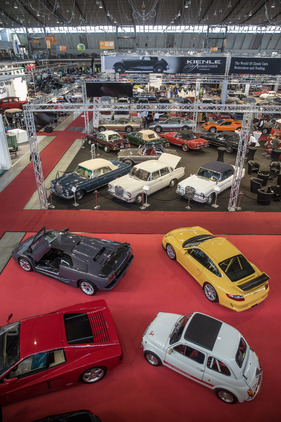
Classic car fairs are a popular way to prepare for the new season, especially those that take place at the beginning of spring, of course. The Stuttgart Retro Classics is ideally placed in terms of dates, as it always takes place before Easter. And in its 17th edition, it has once again grown considerably.
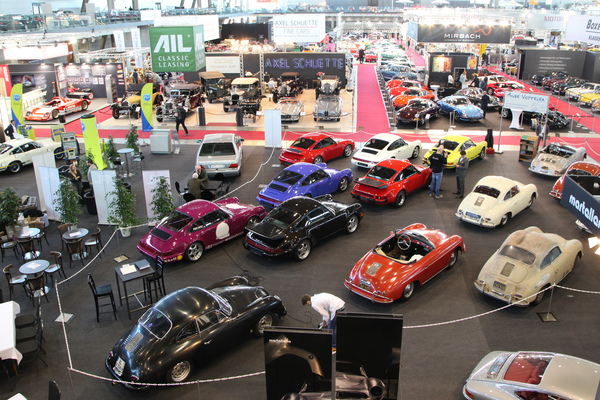
130,000 square meters, around 1600 exhibitors and over 3000 cars are impressive indicators. Big things are happening here. In his opening speech, Karl Ulrich Herrmann explained that he wanted to offer "driving culture in all leagues, from screwdrivers to investors".
The industry is growing
In general, the classic car industry can look to the future with optimism. It is growing. There are now 388,000 vehicles with H license plates, and trade fairs are reporting rising visitor numbers. Over 90,000 visitors were registered at Retro Classics Stuttgart 2017.
However, the scene is also subject to constant change. New groups of visitors are emerging, who are also showing new interests. The vehicles on display are rapidly becoming younger. While around 50% of the vehicles at Retro Classics in 2001 were from the pre-war period, in 2017 this figure is down to around 5%.
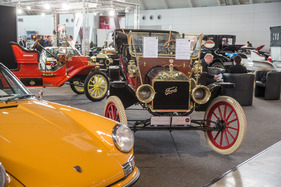
There has also been a sharp decline in British vehicles, not least due to the fact that the island was simply not as active in the 1970s and 1980s as it had been in previous decades. Instead, Italian cars are more present today.
Passione Italiana - Italy with its own hall
The increase in space in 2017 was due to the additional Hall C2, which was dedicated exclusively to Italian driving and lifestyle culture. Italian car dealers, clubs, event organizers and various other exhibitors showcased their goods and skills there.
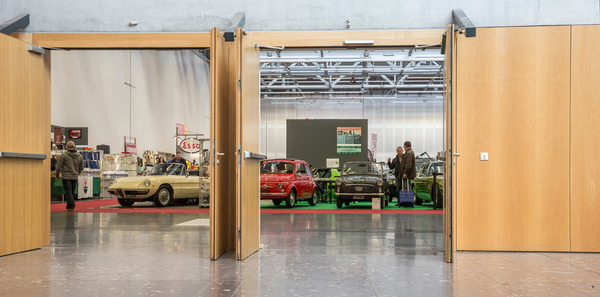
The small hall did indeed have a typically Mediterranean atmosphere, which was perhaps also due to the risotto and other culinary specialties on offer. But as Enzo Ferrari once said: "If you can dream it, you can do it!"
Panini and stanguellini
The Italian automobiles already caught the eye at the east entrance in the atrium. As part of a special show, the Collezione Umerto Panini and the Stanguellini Museum presented rarities that you don't see every day, such as the Stanguellini 1100 Sport from 1947 or a modified Lotus Eleven Stanguellini.
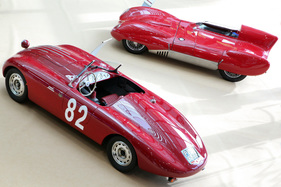
Various Maserati models such as the Tipo 63 from 1961 were accompanied by road-going sports cars such as the Maserati Bora or the 3500 GT.
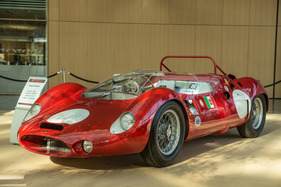
There would certainly have been enough space for other gems from the Panini collection, but at least this way they could be admired up close.
Restraint on the part of the manufacturers
The manufacturers were less prominent in Stuttgart than in previous years. Volkswagen was conspicuous by its official absence, while foreign vehicle manufacturers such as Jaguar, Fiat and Peugeot were also absent from the spotlight.
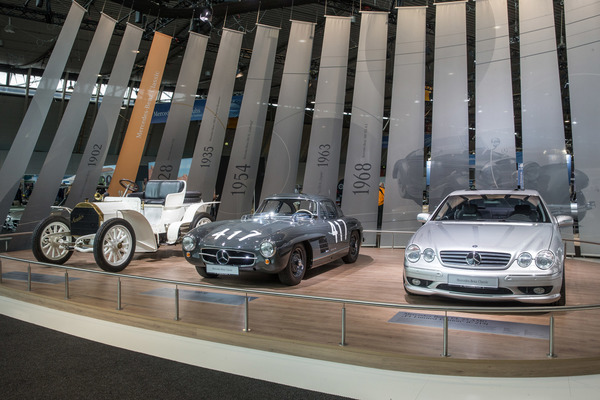
Mercedes-Benz and Porsche, for example, put on the only factory presentations, in a manageable space and with significantly fewer vehicles on display than in other years or in Paris, for example.
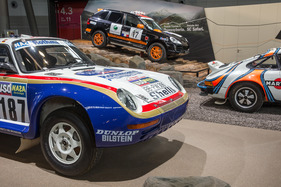
Nevertheless, Mercedes-Benz showed the Mercedes Simplex, an early automobile that you don't see every day, and Porsche presented two rally cars to show that they were also good for laurels off the racetrack.
Mercedes-Benz distributed
Unlike in other years, the Mercedes-Benz Classic partners were to be found in Hall 3, while the works stand and the clubs presented themselves in Hall 7. In general, of course, there were vehicles with the three-pointed star in almost every hall, and there were also many Mercedes for sale from the private suppliers and dealers, including almost every color of the 190 SL that was once sprayed.
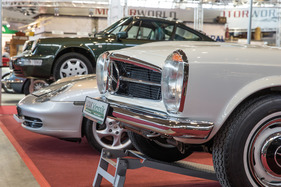
Pagodas were also well represented, with prices generally at a lofty height and well above the two hundred thousand mark.
More lifestyle
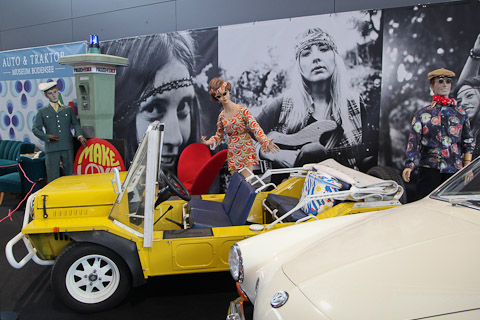
What is already becoming increasingly apparent at other trade fairs was also noticeable in Stuttgart: an emphasis on lifestyle. Herrmann explained this with the growing proportion of women, among other things. 18% of visitors in Stuttgart are female and you have to offer them alternatives to lined-up cars.
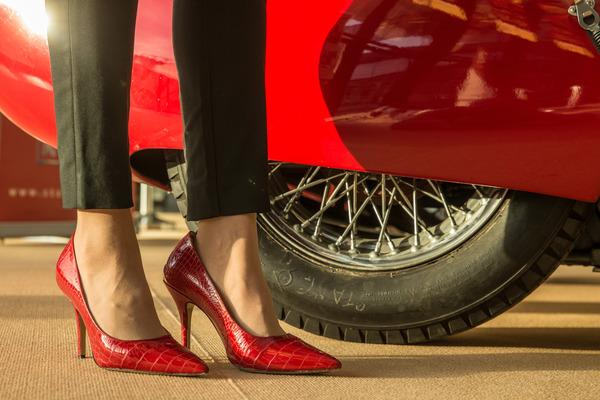
With clothing boutiques, culinary offerings, accessories and art, there was plenty on offer here.
James Bond cars
Retro Classics made 39,1000 of the 130,000 square meters available to the clubs. And they once again used the space to offer alternatives to the omnipresent nine-pointed-nine and star carriers.
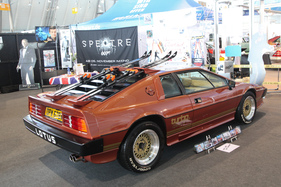
The Lotus Club's spacious stand featured two Lotus Esprit cars from the James Bond films "For Your Eyes Only" and "The Spy Who Loved Me", correctly equipped with skis for use in Cortina d'Ampezzo and missiles for helicopter defense, respectively.
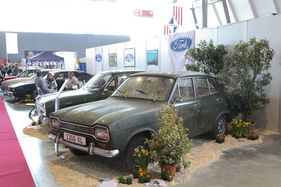
At the stands of the Opel, Fiat, BMW and Ford clubs, there were shiny showcase classics as well as unrestored barn and garden finds on display. This led to many an interesting conversation and certainly many aha-effects.
If you know what complete restorations cost, you can only be happy about the work of the club members, who also transform bread-and-butter cars from the past back to youthful freshness.
Roland Asch's racing car
Roland Asch was already in a good mood at the press conference when he said in his introductory remarks to the exhibited racing cars from his career that he would have loved to spend the night among his former cars. He was almost in tears when he saw the vehicles from his past lined up like that.
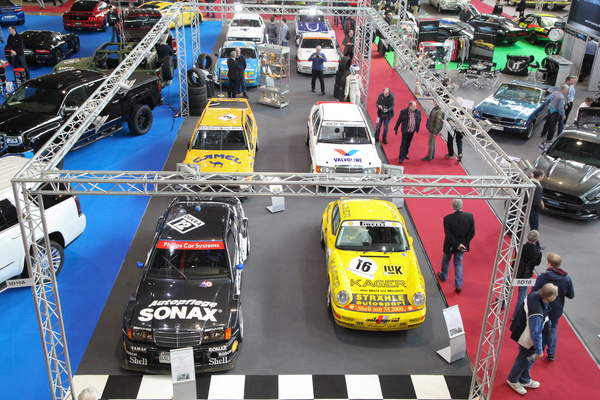
People believed him, the likeable Swabian. And the Mercedes and Porsche racing touring cars were viewed with all the more interest.
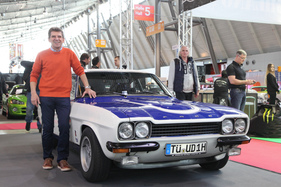
The highlight, however, was the Ford Capri RS 2600, with which Asch not only began his racing career, but which he also used on his honeymoon and decades later for a vacation trip to Sicily over 5000 km. "I could write books about this car," smiled Asch.
Rarities that you don't see every day
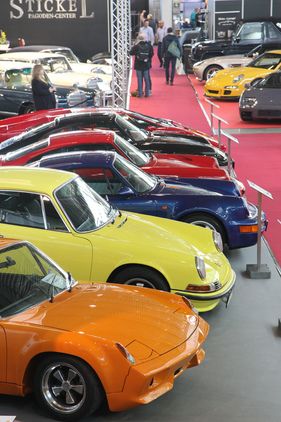
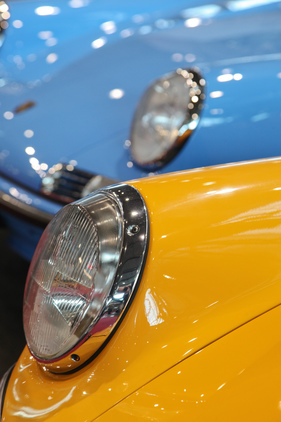
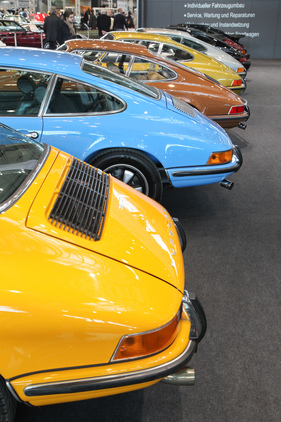
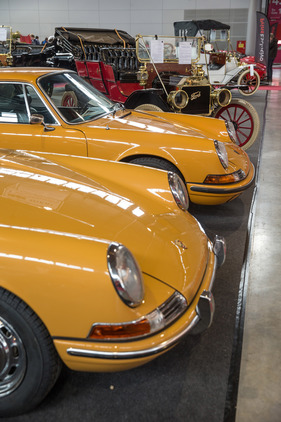
Not all visitors were happy about the range of vehicles on display, with too many Porsches and Mercedes parked too close together. But those who took a closer look were able to discover rarities among the 911s and the cars with the three-pointed star that you don't see every day.
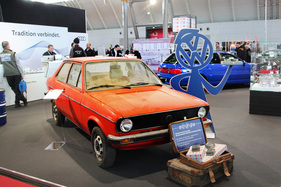
For example, there was a VW Derby from the zero series, built in 1976 and with various differences to the series examples, which were then built in 1977. Still unrestored, the car stood there advertising the Volkswagen spare parts business.
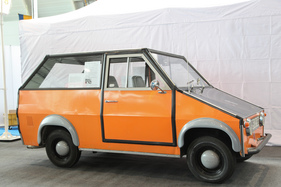
Or the AWS Shopper, which aimed to revolutionize automobile construction with glass Goggomobil technology in 1970. The body construction is reminiscent of furniture technology and with a low price and low maintenance costs, nothing less was expected than a sales success, which then failed to materialize for various reasons.
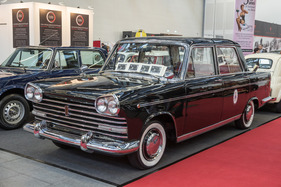
Pope John XXIII did not yet drive a Mercedes-Benz SUV or a 600, no, from 1959 he was chauffeured in the Fiat 2100 Allestimento "Speciale". And it was precisely this car that was available to buy in Stuttgart, with the papal blessing included.
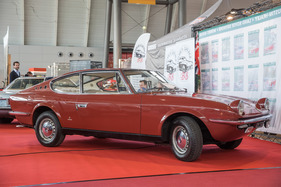
There were two coupé rarities from Vignale that could be admired and purchased in Stuttgart, namely a Fiat 1300 S Coupé and a 125 Samantha.
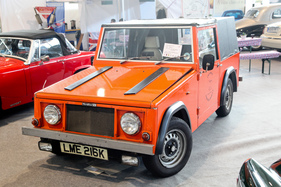
Those who were even more interested in uniqueness could find an SUV predecessor based on the Spitfire Mark IV, more or less chicly clad in wood and sheet aluminum, at the Triumph Club stand.
Motorcycles and tractors too
As always, motorcycles, commercial vehicles and tractors were also on show in Stuttgart. The special show with British two-wheelers was certainly impressive, because you don't see Rudge, Vincent or Norton products every day anymore.
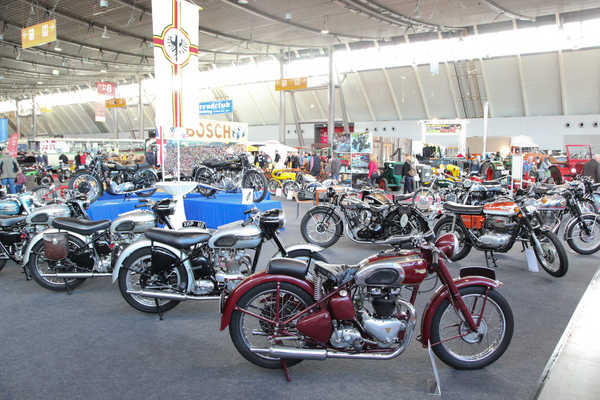
The Italians provided alternatives with some motorcycles of their own design. And in Hall 8, tractor and commercial vehicle enthusiasts also got their money's worth.
Trouvailles in the sales exchange
The majority of the vehicles on display in and around the halls were for sale, and apparently some of them were sold. Lorinser, for example, reported that half of the cars on display had already been sold on the second day. Other dealers were particularly pleased about the good contacts. Those who took the time to inspect the range in detail were certainly able to discover interesting vehicles, although they were also advertised at self-confident prices.
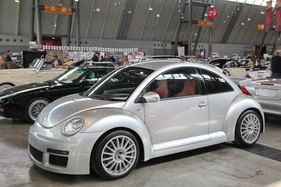
A VW Beetle RSI from 2002 was on display in Hall 6 for EUR 57,500, a Ford Escort RS Cosworth Executive from 1993 for EUR 57,800. The majority of the Porsche 911s were in the six-figure range, while luxury sports cars were often advertised with prices in excess of one million.
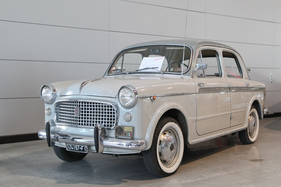
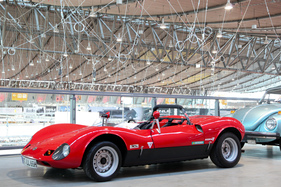
But among the luxury classics, there were also many a trouvaille, such as a VW with a Colani body, an unrestored Fiat 1100 Lusso from 1959 or a Sbarro AC Spider from 1966.
The big jump-off in 2018
And next year? Retro Classics Stuttgart and Techno Classica Essen will once again take place on the same weekend, from 22 to 25 March 2018. Herrmann will then be able to move into the new Hall 10 with an additional 14,000 square meters, which he wants to position as the gateway to the south. It will be exciting.