Can it replace the DKW F 102? Wartburg 1000 in the (historic) test


You have only
1 out of 18
images seen in high resolution


Summary
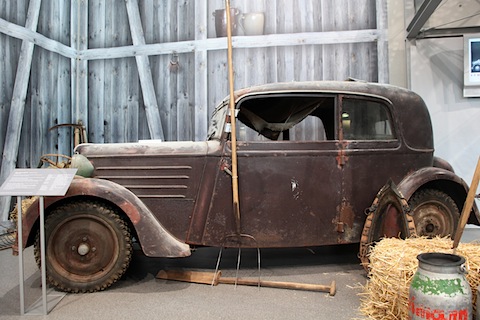
In 1966, the East German car manufacturer Wartburg introduced a new model series called the "353", sold in this country as the Wartburg 1000. Powered by a two-stroke engine and equipped with a separate chassis, the car no longer necessarily met Western European requirements, but was inexpensive and easy to maintain. Heinz Kranz from the magazine 'hobby' received a Wartburg 1000 for testing and compared it with the DKW F 102, which is no longer built. This article reproduces the original wording of the report at the time and shows the Wartburg and its indirect role model in historical pictures.
This article contains the following chapters
- Modern and without frills
- With swing axle!
- Comfort more important than road holding
- Handy
- Soon with a Wankel engine?
- Loud
- Not a sports car
- Rich interior equipment
- Where does the Wartburg have a chance of selling?
- Ideal for DIY enthusiasts
- Soon with a V6 two-stroke engine?
- Test profile
Estimated reading time: 6min
Preview (beginning of the article)
A fortunate circumstance for the Wartburg allowed me to go on an extended trip to the Balkans immediately after the test. I passed through a whole series of countries for whose inhabitants a Wartburg - and in its latest version at that - is a real luxury car. Cars are cherished and cared for with unimaginable care, and rarely does anyone drive faster than 80 km/h. That is the benchmark that matters, not a direct comparison with a Fiat 124 or any other car of the latest design. Indeed, it is even difficult to compare it with the DKW F 102, the most modern two-stroke ever made, which nevertheless had to die. A dream car in the East, in the West a two-stroke that was 'morally' tainted from the outset: What are its sales prospects in Western Europe?
Continue reading this article for free?
Images of this article