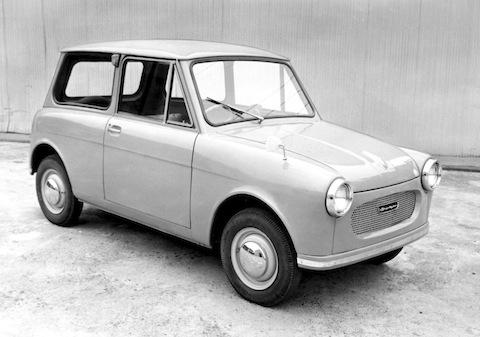
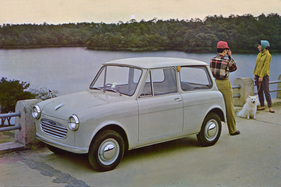
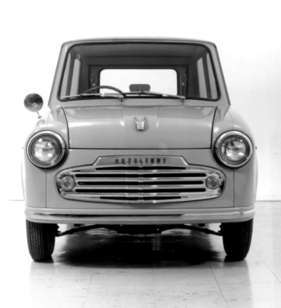
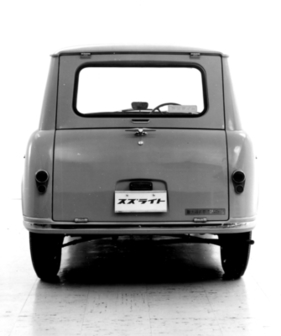
Suzulight - formerly Suzuki with four wheels










You have only
1 out of 16
images seen in high resolution
Summary
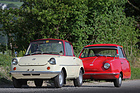
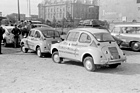
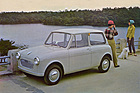
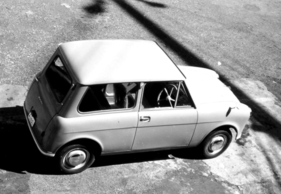
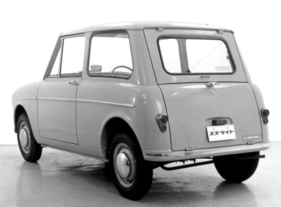
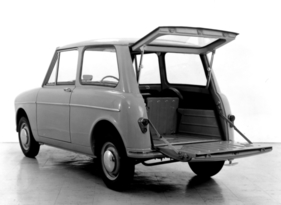
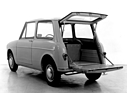
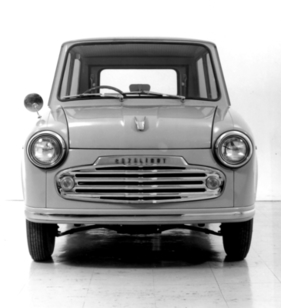
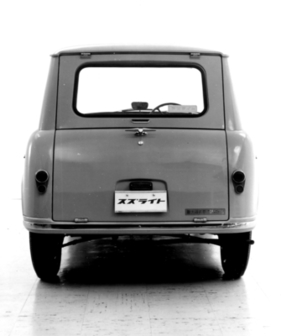
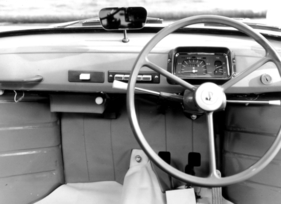
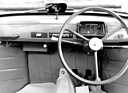
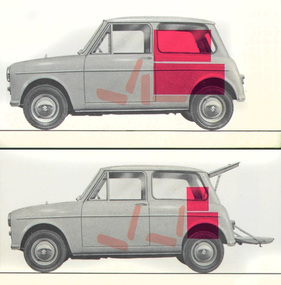
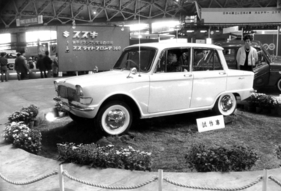
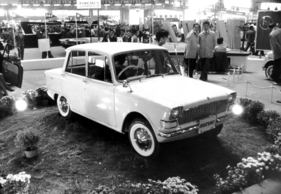
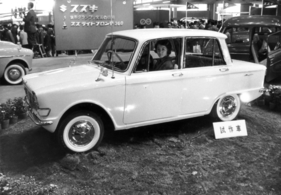
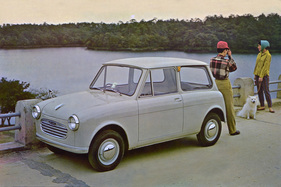
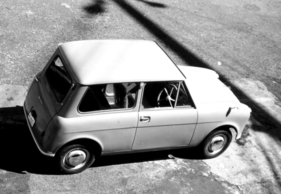
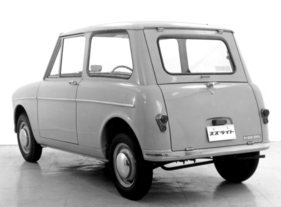
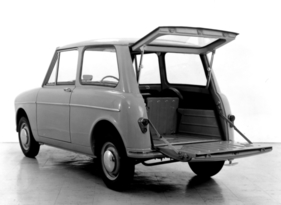
Motorcycle manufacturer Suzuki with its four-wheel small cars and a displacement of just under 360 cc - mass mobilization in Japan began a few years after the Second World War, and almost every well-known manufacturer wanted a slice of the pie. This report introduces the Suzulight cars and shows them in a wealth of historical images as well as in the sales literature of the time.
This article contains the following chapters
- 360 cc rule
- From two-wheeler to car
- Lots of space in a small area
- Sufficient power and low fuel consumption
- Across the pond to the west
- Spartan equipment
- Many variants
- Consolidated
Estimated reading time: 3min
Preview (beginning of the article)
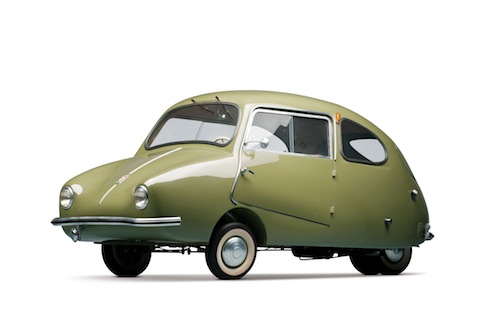
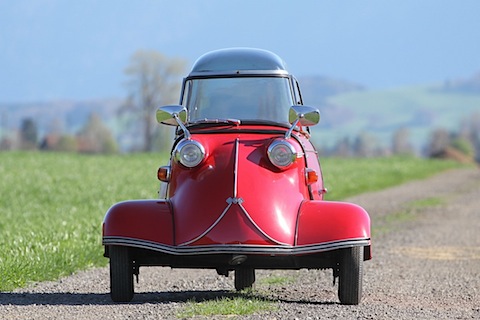
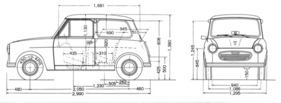
Just a few years after the Second World War, Japan began to mobilize the masses. While the Isetta, Beetle and Topolino characterized the streetscape in Europe in the 1950s, microcars, known as "kei-cars", were the measure of all things in the land of the rising sun. Due to their small engines and external dimensions, they were tax-privileged and promoted individual transportation. Many of these street fleas had the number "360" in their type designation. In order to benefit from the lowest taxes, the engines of these tiny vehicles were not allowed to have a displacement of more than 360 cc, and their length and width were also strictly limited. These tiny cars, known as "kei-cars", are largely unknown in this country, but similar regulations still exist in Japan's major cities and the kei-car can still be found in Japan today.
Continue reading this article for free?
Images of this article